
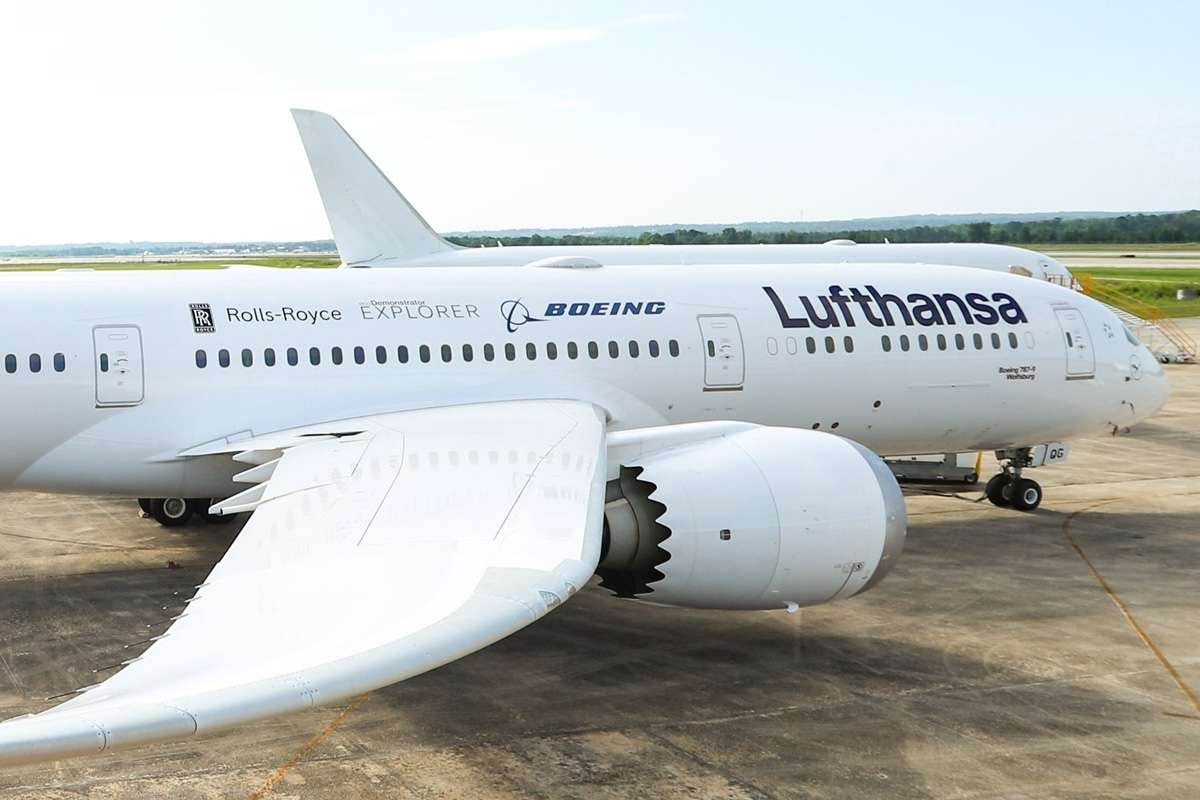
A new Boeing 787-9 with Lufthansa took a slight detour before it was delivered to the German flag-carrier with a stint at the American planemaker.
The aircraft, prior to its delivery, served as a flying test bed for fuel-saving and noise-reduction technologies. The 787, fitted with Rolls-Royce Trent 1000 engines, spent several weeks over the summer conducting tests.
The experimental flights in Montana, once completed, allowed the aircraft to be delivered to Lufthansa in its standard commercial configuration.
What Lufthansa and Boeing Tested
Boeing leveraged the 787-9 it built but was destined for Lufthansa as its latest ecoDemonstrator Explorer, and this is the ultimately latest in a long list of models in the family that have taken lab concepts into real flight conditions.
During the outlined missions, Boeing worked closely not only with Lufthansa but also with Rolls-Royce on two main innovations. Firstly, the next-generation inlet is a shortened engine inlet designed with advanced acoustic linings.
The new inlet is designed to reduce weight and drag while maintaining, and even improving, noise performance, making it easier to integrate with fuel-efficient engines in the future.
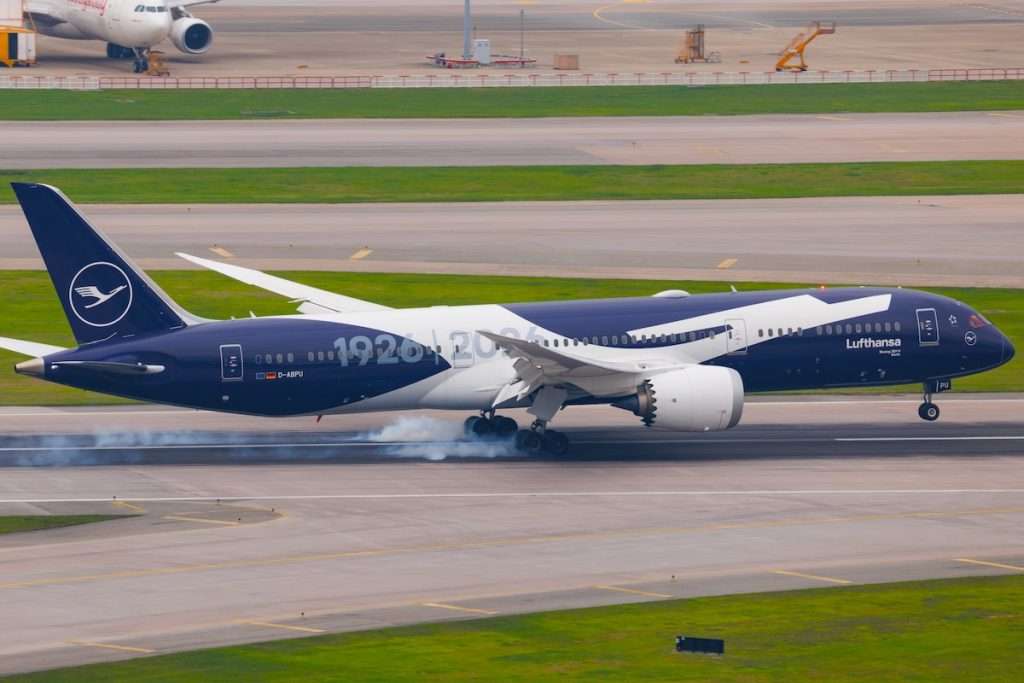
Furthermore, modified departure and arrival procedures, including so-called Intelligent Operation flight paths, were tested. These are generated routes, algorithmic in nature, that route several data sources to identify ways of cutting fuel burn and community noise around airports.
The tests, therefore, in this area allow Boeing and the airline/engine maker to work closely to test smart ways to fly that not only ensure the planes are quieter but also more efficient.
Located at Boeing’s facility in Glasgow, Montana, the test program also saw engineers from Rolls-Royce provide additional support and oversight to ensure the Trent 1000s operated safely and efficiently during the experimental testing.
Why This Boeing 787 Became An ecoDemonstrator
Using a production-bound aircraft as an ecoDemonstrator, as seen with Lufthansa’s 787, isn’t a first. Boeing has done this before with previous programmes, including the Dreamliner, but not limited to this widebody, with customers like Etihad Airways and Alaska Airlines, before their deliveries, as facilitated.
The logic for the planemake is rather simple: it centers on the ability for itself and its partners to test technologies on a fully modern airframe, under real-world conditions rather than on a dedicated prototype.
While prototypes are necessary for specific test campaigns undertaken by aircraft manufacturers such as Boeing, it can be more beneficial to use a platform that airlines will actually operate. Therefore, production-built jets serve as the ideal platform if available.
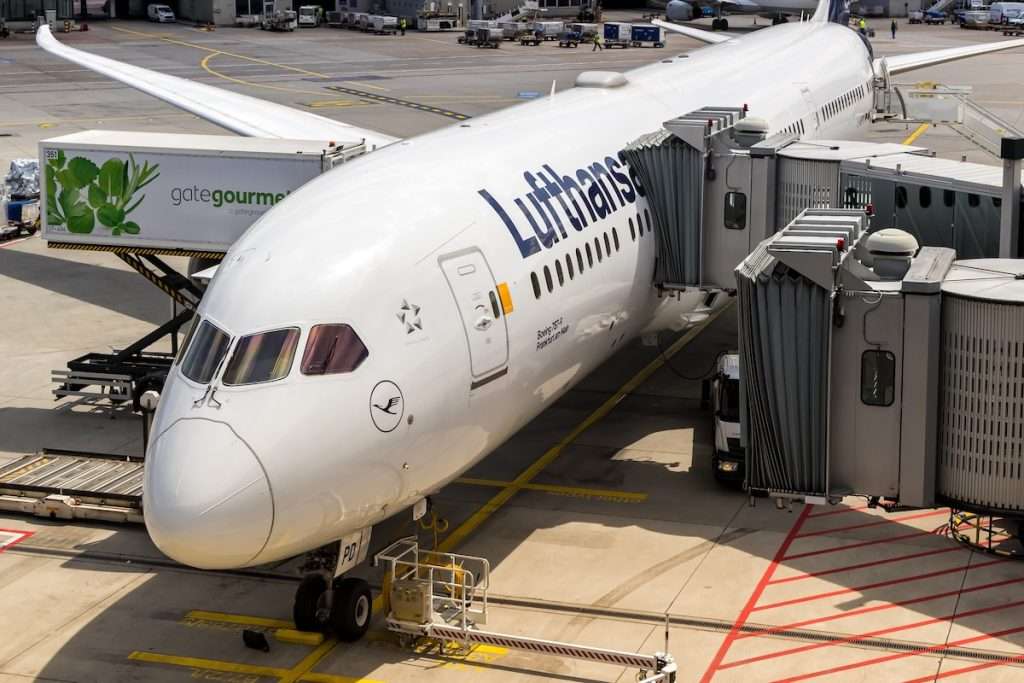
In the case of Lufthansa, the 787-9 was deemed an ideal platform for evaluating next-generation engine inlets and advanced flight procedures, which could then be applied across future Dreamliners and critical widebodies.
With a series of dedicated test sorties in Montana, the planemaker collected imperative data on the acoustics, engine integration, operational impact, and even aerodynamics. At the conclusion of testing, it restored the jet, including the removal of the experimental hardware, before reinstating it to Lufthansa’s specifications.

ABOUT THE AUTHOR
Daniel Fowkes is a Melbourne-based aviation analyst and journalist with over a decade of industry experience. As founder of Dj’s Aviation, he delivers trusted analysis on aircraft, airline strategy and global aviation trends for djsaviation.net
Related Articles




Stay Informed
Get the latest aviation news, analysis and route updates delivered to your inbox.
We respect your privacy. Unsubscribe at any time.
Enjoyed this story?
Make us your go-to for aviation news
Add us as a preferred source on Google and see our latest stories first in Top Stories.
Add Us On Your News FeedRelated articles
· Analysis
· Airbus
· Aircraft
· Boeing
Airbus A350-1000 vs Boeing 777-9: The Next-Gen Widebody Matchup
Bryan Shelmon
22/09/2026
· Aircraft
· Airbus
· Boeing
Airbus Confused By Boeing’s New Aircraft
Daniel Fowkes
18/09/2026
· Aircraft
· Boeing
Boeing May Not Launch The 797?
Daniel Fowkes
15/09/2026
· Aircraft
· Boeing
Boeing Scrapped A Brand New 777X
Daniel Fowkes
13/09/2026