
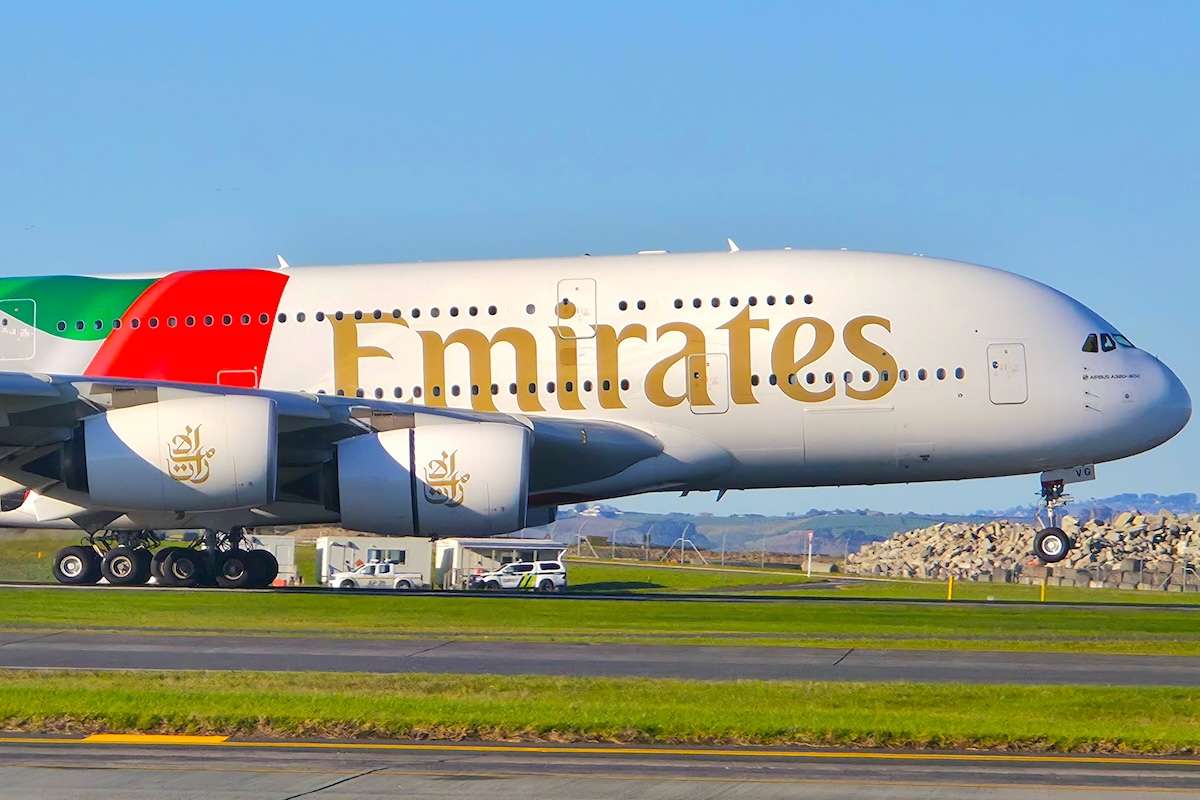
It’s safe to say that the Airbus A380 wouldn’t be as iconic if it weren’t for Emirates, the largest purchaser of the superjumbo.
The A380 is one of the pillars of Emirates’ business strategy. It’s the perfect size to serve long-haul flights, as it operates a hub-and-spoke model from its Dubai (DXB) hub. However, with this pivotal aircraft out of production and the current fleet aging, the carrier’s next generation could look very different… and undoubtedly smaller.
Emirates’ Airbus Story
The A380 program launched in 2000, and Emirates took an immediate interest, placing a firm order for 7 aircraft and an option for 5 more. It would remain the biggest supporter of the program, with delivery of 123 A380s completed in December 2021. As a result, this airline owns more than half of all the A380s ever produced.
Emirates’ Dubai hub is perfectly located as a midpoint between Europe and Asia, and provides access to North America. Operating mainly long-haul routes was a strategic decision to capitalise on its geographic location.
Also, utilising a larger aircraft with substantial capacity would be more profitable than relying on smaller aircraft. The Airbus A380 checked off all of these boxes as the largest passenger aircraft and capable of supporting high-demand routes from Dubai to destinations including London, New York City, Tokyo, and Melbourne.
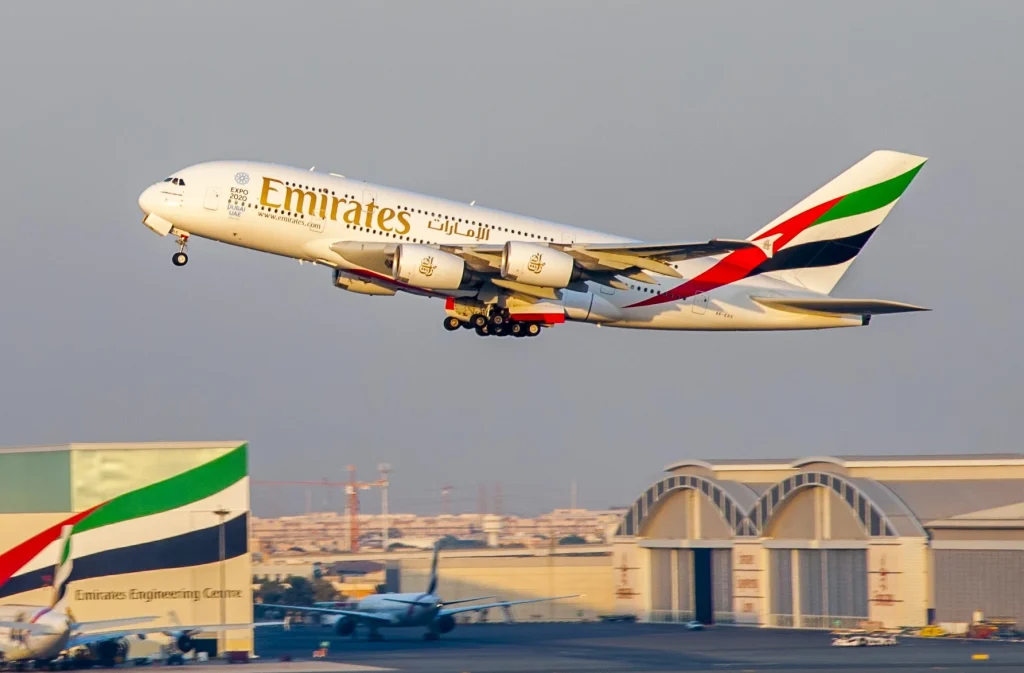
In addition to operational efficiency, the spacious aircraft allowed Emirates to introduce unprecedented luxuries, including onboard showers and a first-class bar and lounge.
After nearly two decades of flying, the A380 has become part of Emirates’ identity. So, as these aircraft age, the airline is prepping for its next flagship aircraft.
Preparing For A Life Without The A380
Just like the Concorde supersonic jet, the era of the superjumbo jet will soon come to a close. Emirates sustained the A380 program; however, demand from a single airline was not enough to make it profitable, and the program lost billions of dollars.
At one point, Emirates even nudged the manufacturer to restart production on an A380neo. But due to a lack of funding and demand, it received the last of its new A380s. Although used A380s are being considered, its new orders are refocusing on alternative widebodies.
Emirates has been on a shopping spree, with firm orders already in progress with Airbus and Boeing. It’s awaiting delivery of additional A350-900s to add to its current fleet of aircraft. Also, 20 Boeing 787-8s and 15 787-10s, both new additions.
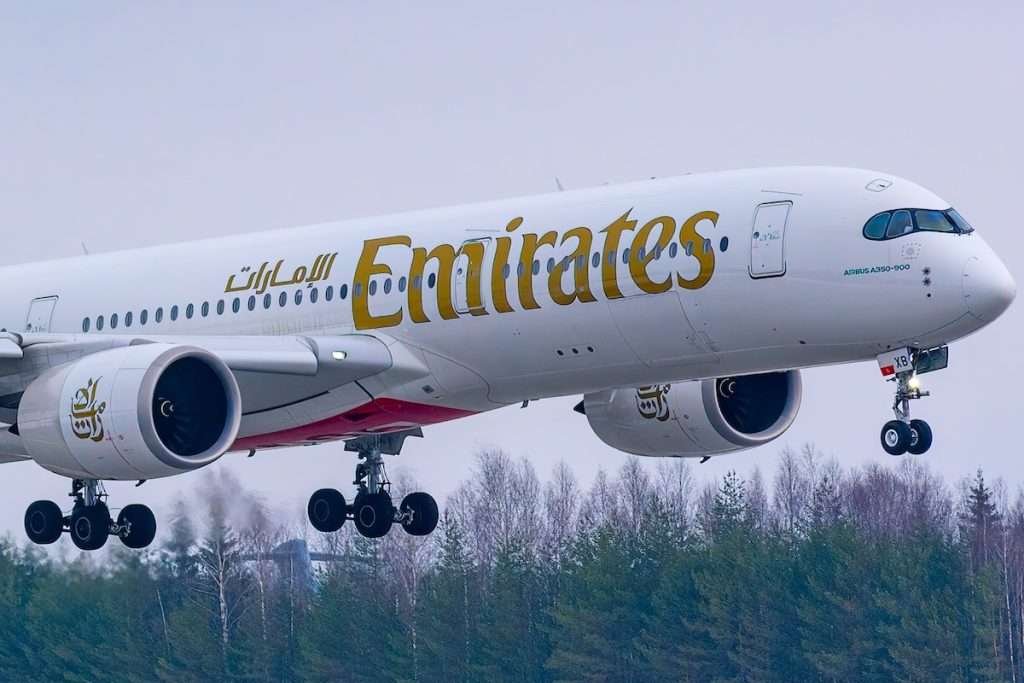
Although the A350-1000 is the largest widebody currently on the market by the European planemaker, Emirates opted not to place an order after Tim Clark, the airline’s President, expressed concerns about the aircraft’s durability in Dubai’s harsh desert climate.
Emirates also placed an order for the 777X, but delays to the aircraft mean it will continue operating its 777s a bit longer until the newer aircraft can be delivered. The 777 aircraft are just as old as the A380s; however, the Dubai-based airline is in the process of refreshing its aging fleet.
The A380 In The Late-2020s
Experts estimate that most of the A380s will be out of service by the mid-2030s. But with a largely A380 fleet, Emirates hopes to squeeze just a few more years out of its prized aircraft. To achieve this, Emirates has embarked on the largest refurbishment program in aviation history, investing billions to upgrade 110 aircraft.
Passengers who fell in love with Emirates’ onboard experience will find themselves enamoured once again, as the airline has already begun rolling out the latest A380 retrofits into its fleet.
The biggest update to the retrofit project is the transformation of its two-class cabins into a three-class configuration.
This new 3-class layout will feature an upgraded business class, the award-winning premium economy class on the upper deck, and a revitalised economy class. Premium soft-leather seats, larger personal screens for in-flight entertainment, Starlink Wi-Fi, and premium finishes are just a few of the updates being added to its fleet.
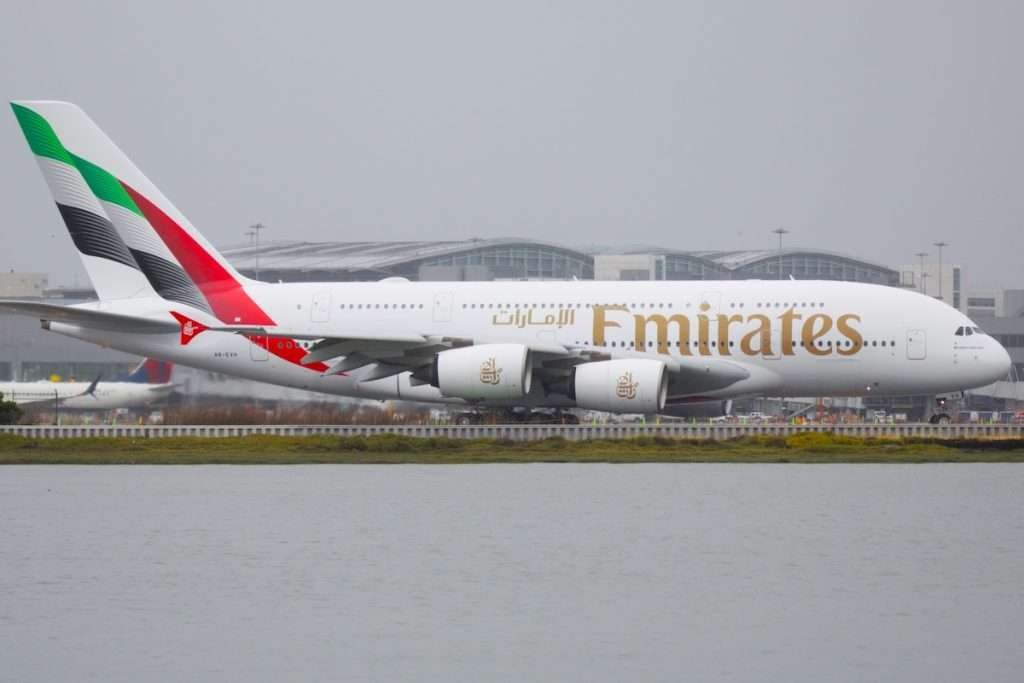
Emirates is also redesigning its two-cabin aircraft, reducing economy seats to make room for more business-class and premium economy seats, and upgrading the cabin interiors.
These upgrades will make flying on the A380 feel like a new experience for passengers. However, it’s just a temporary solution as these superjumbo jets become more obsolete.
A380 Retirement In The 2040s Outlined By Airline
Emirates is targeting the 2040s to officially retire the A380 from its fleet. That gives the Gulf carrier a bit longer runway to implement its retirement plan, which will span over the next decade.
Of the 123 A380s delivered, only 116 are currently active, and 7 have already been retired. It plans to begin the official phases of retirement in 2030, just in time to receive its next-gen aircraft.
Emirates has a firm order for 270 Boeing 777X aircraft, comprising 235 of the larger 777-9s and 35 of the smaller 777-8s, with deliveries expected as early as 2027 and through the 2030s.
In a smart strategic move, Emirates plans to use parts from retired A380s to service the active planes, since parts have become harder to find after production ceased.
What Will Replace The A380? Is There Anything?
The A380 is the largest aircraft in the sky, suited to Emirates’ high-capacity routes. Replacing it will be no easy feat, as the only current options available are smaller widebodies.
The 777X is the largest aircraft on the market, but it only holds up to 450 passengers, compared to more than 600 on the A380 in certain configurations. Emirates is also trading in the double-decker experience for a longer aircraft, which will have a major impact on its onboard experience. We may be saying goodbye to those lavish in-flight showers unless the airline sacrifices seating capacity.
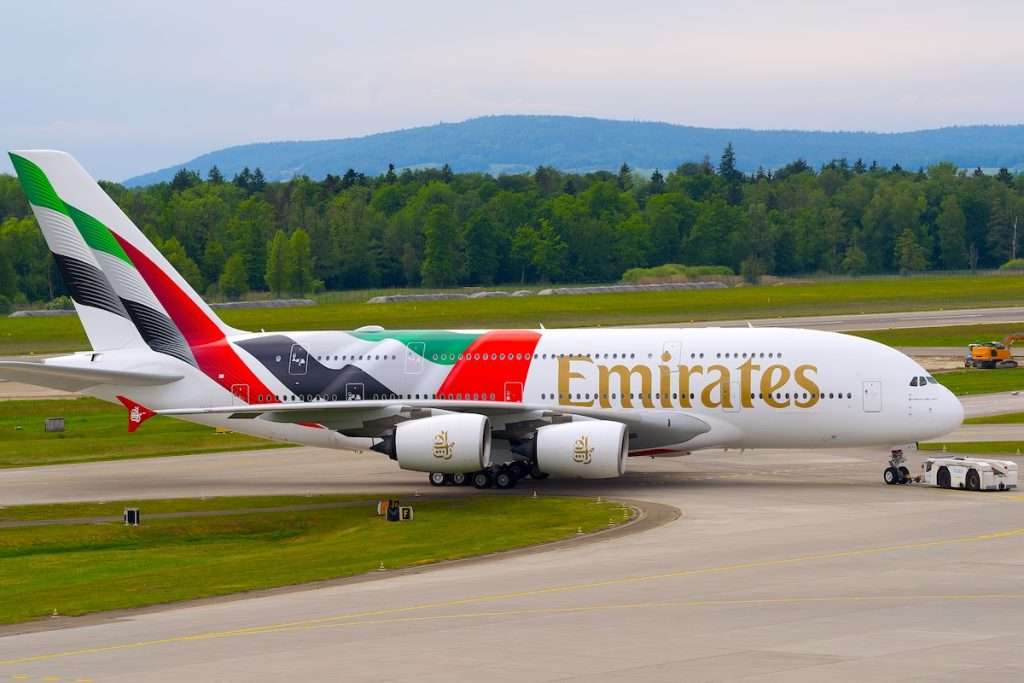
The end of the superjumbo means Emirates is closing a chapter in its airline history. The A380’s size enabled it to deliver a truly one-of-a-kind flying experience for its passengers. Modernised aircraft are more focused on flying efficiency, with improved fuel efficiency, emissions, and range.
While these new aircraft can still serve Emirates’ long-haul routes, the passenger experience likely won’t be the same as what flyers have gotten used to.

ABOUT THE AUTHOR
Bryan Shelmon is an aviation journalist with 10 years of experience covering commercial aviation, private aviation, airports, aircraft and wider industry news. Based in the Detroit metropolitan area, he has contributed to publications including Lonely Planet, Matador Network and Visit Detroit.
Related Articles




Stay Informed
Get the latest aviation news, analysis and route updates delivered to your inbox.
We respect your privacy. Unsubscribe at any time.
Enjoyed this story?
Make us your go-to for aviation news
Add us as a preferred source on Google and see our latest stories first in Top Stories.
Add Us On Your News FeedRelated articles
· Airlines
Allegiant Air Buys Six More 737-8s From Boeing
Daniel Fowkes
26/10/2026
· Airlines
Emirates vs Qatar Airways: The Gulf Superhub Rivalry Compared
Bryan Shelmon
26/10/2026
· Airlines
Riyadh Air Is Moving Away From Riyadh
Daniel Fowkes
26/10/2026
· Airlines
Emirates Isn’t Worried At All
Daniel Fowkes
25/10/2026