
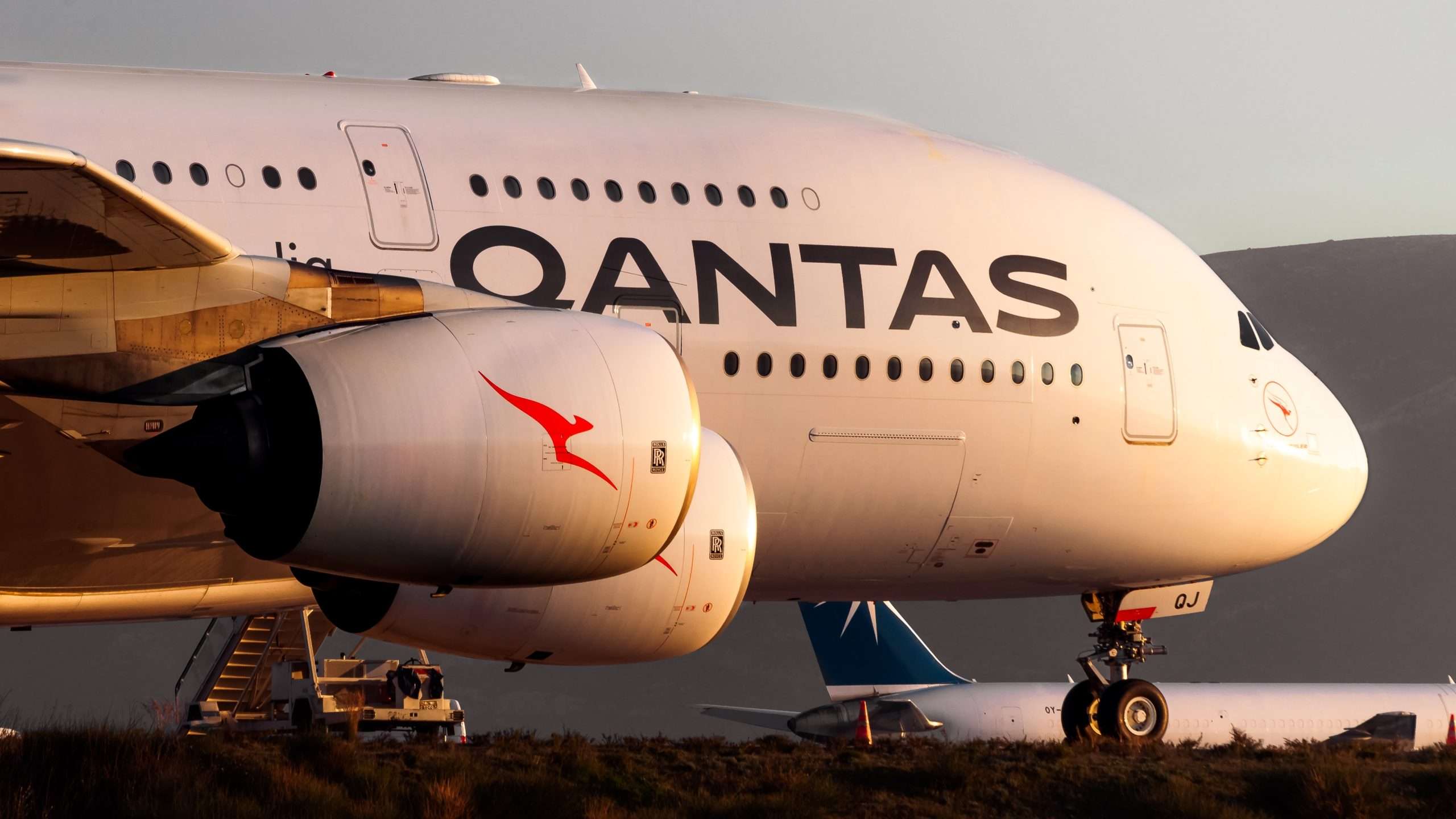
Airfare prices worldwide are at their highest levels in recent years, with no signs they’ll come down any time soon.
Air travellers are feeling the strain of higher airfares more than ever, as global conflicts are driving up jet fuel prices. It arrives during the busiest travel season of the year, prompting travellers to rethink their plans. Even airlines are making adjustments to account for the rising operating costs.
Can global conflicts be resolved in time to bring airfares back down, or are the days of cheap flights a thing of the past?
Fuel Costs Shape Ticket Pricing No Matter What
Checking air ticket prices is a delicate process. Travel hacks have always been a go-to way to save on ticket bookings. However, this time, shopping incognito or clearing your cookies will have little impact on the real culprit of this year’s elevated airfare prices.
Widespread news coverage of rising jet fuel prices and their impact on airfares has provided much-needed transparency for travellers. In 2026, travellers can expect price increases of 20-30% on domestic routes and 10% on international routes.
Ticket surges can be traced to airlines’ supply chains. Increased jet fuel prices mean airlines are now passing up to 50% of the costs directly to their customers.
Airlines are striving to protect their profits amid uncertainty. Jet fuel is the highest expense in their operating costs, accounting for 25-35% of the cost to fly an aircraft. The only way to maintain the same profit margins amid higher operating costs is to increase airfare prices.
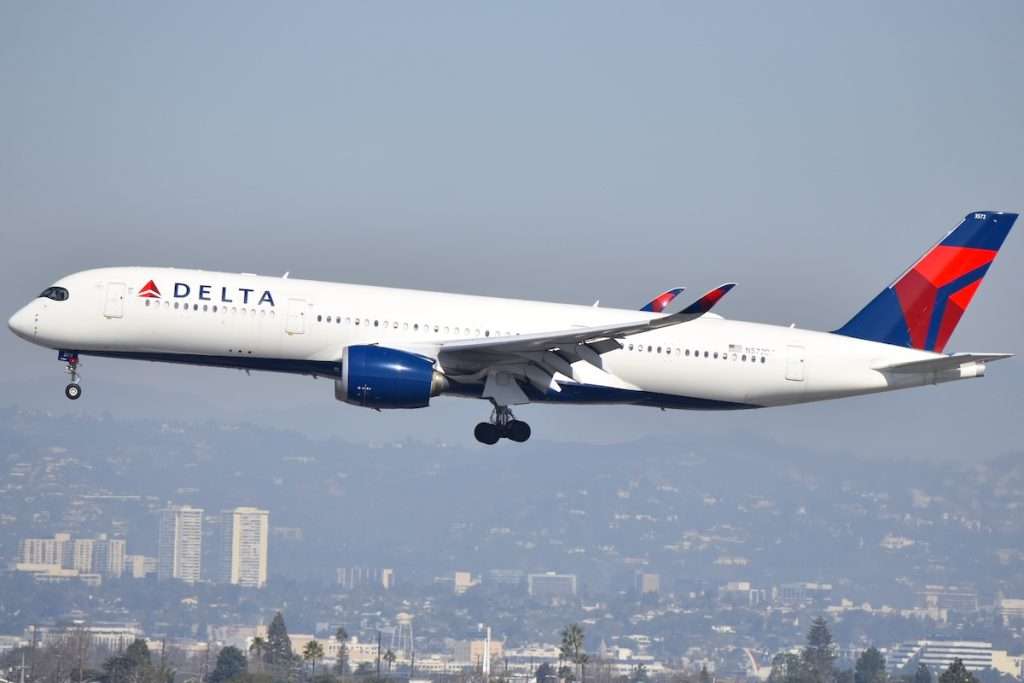
Fuel costs also affect the demand for air travel. Cutting routes is a strategy airlines use to reduce operating costs, but it means passengers pay more for longer flights on multi-leg trips that now include layovers at the airline’s hub before continuing to the final destination.
Why Surcharges Are Rising in 2026
Commercial airlines worldwide have seen year-to-date revenue growth in 2026, driven by travel demand. Profit margins, however, have been shrinking due to higher operating costs. As of June 2026, jet fuel prices have doubled year-over-year. Since it’s the biggest operating cost, airlines are seeking solutions until fuel surges return to normal levels.
The War in Iran is the main reason for the jet fuel surcharge in 2026. With the Strait of Hormuz closed, fuel from the Middle East cannot be shipped. The closure occurred in February 2026, and consumers began seeing airfare prices rise for Spring/Summer travel.
It’s important to note that the global conflict affecting jet fuel prices isn’t rare. It has occurred many times in recent history, including with the Gulf Wars in the 90s and early 2000s, the attack on 9/11, and Russia’s invasion of Ukraine in 2022.
Many airlines anticipate jet fuel surges by using techniques such as hedging. Fuel hedging allows airlines to lock in a jet fuel price for a defined period. So, even if prices increase, they’re protected from exposure during times of global conflict. The downside is that if fuel prices decrease, an airline is stuck paying the higher rate. This happened to Cathay Pacific, which suffered nearly US$1 billion in fuel hedging losses during the 2008 financial crisis.
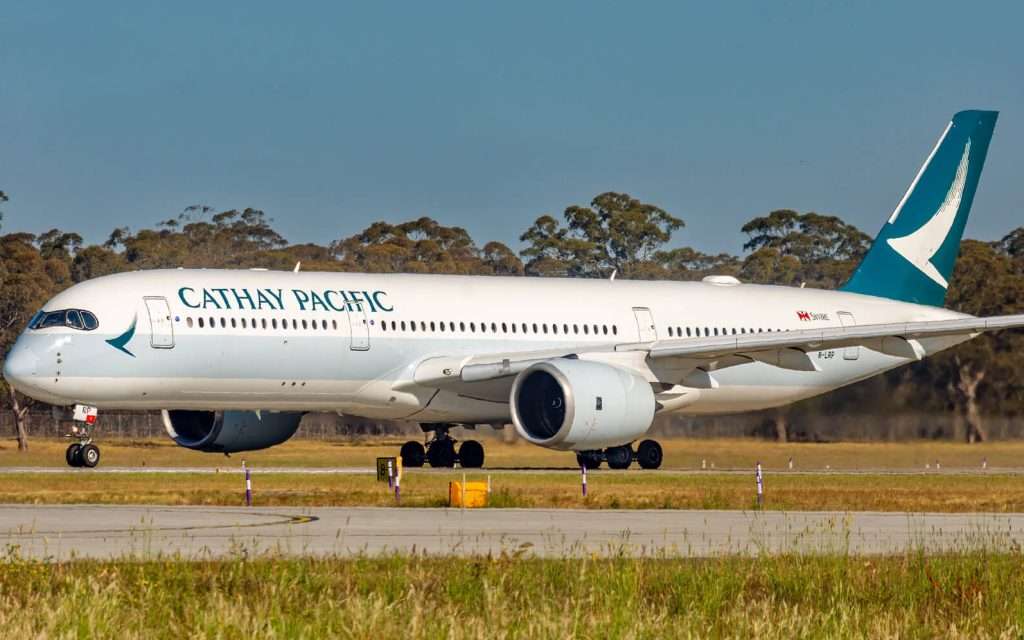
Fuel hedging is most common in European markets, which have seen only modest increases in airfares. It’s not as common in the US and Asia, where jet fuel surges have had the greatest impact on travellers.
How Do Newer Aircraft Help Higher Operating Costs?
Hedging is a short-term solution for managing fuel costs over a few years. These fixed contracts must be renegotiated, as seen with fuel warnings from the Lufthansa Group and Philippine Airlines.
Alternatively, airlines can pursue a longer-term solution by introducing more fuel-efficient aircraft into their fleets. Sustainability and reduced fuel emissions are global trends that manufacturers have begun implementing in their next-gen aircraft designs. As operating costs continue to increase, largely due to fuel surges, newer aircraft can improve profit margins.
The newest aircraft include various design features to improve fuel efficiency. One of the biggest changes is the installation of more powerful engines on the aircraft. Quad-engine aircraft are being replaced with twin-engine aircraft that can still manage long-haul flights. The Boeing 777X is on pace to be the largest twin-engine wide-body in the sky. Lufthansa, Emirates, and Singapore Airlines will be among the first to get them.
With better engines, we’ll also begin to see single-engine taxis on the runway to conserve even more fuel before takeoff. The weight of an aircraft also impacts the amount of fuel it burns. Newer aircraft, manufactured with better materials, are lighter, allowing them to travel farther and longer.
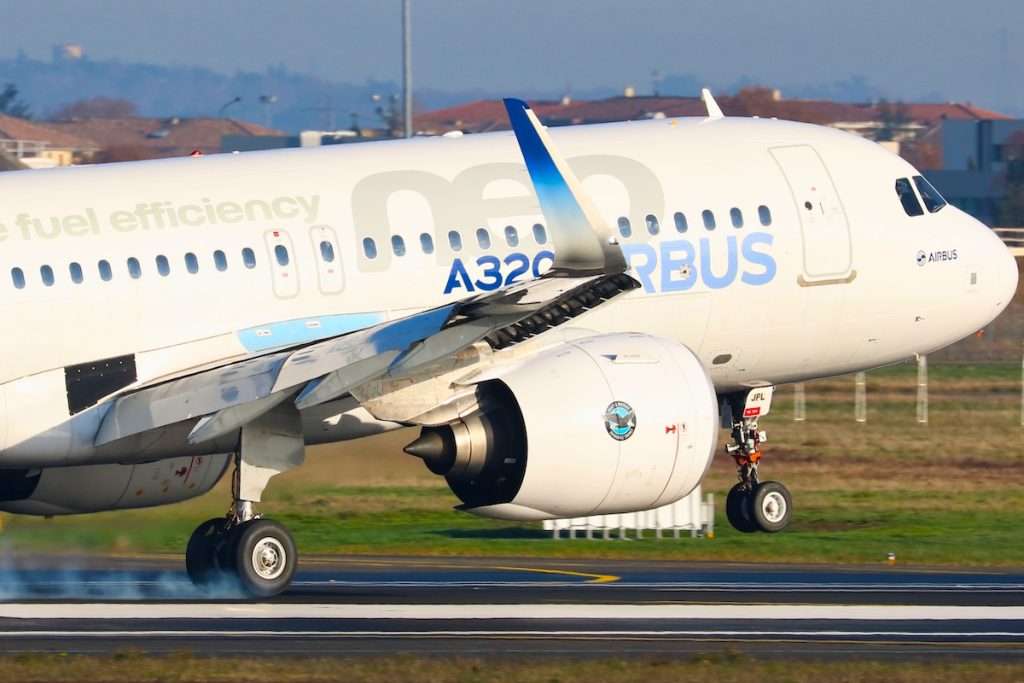
Other design features, like sharklets, which are curved wingtip features prominent on the A320neo and A350, improve aerodynamics.
What Passengers Feel From This
As airlines await delivery of these next-gen aircraft, passengers are left to contend with higher travel costs.
Airfare ticket prices are just the tip of the iceberg. Unfortunately, jet fuel surcharges appear in more places than just the airfare. It’s a tactic used by airlines to avoid passing all the price increases on to airfare alone by shifting commonly included services into add-on fees. Travellers can expect additional costs for baggage, Wi-Fi, and in-flight food and beverages.
Summer is the peak travel season worldwide. But in places like the US, where rising jet fuel prices are most pronounced, travellers are seeking alternative travel plans. International travellers are considering domestic destinations instead, and some are even scrapping all travel plans for a staycation.
Spirit Airlines is the biggest casualty of higher jet fuel costs, which forced the struggling airline to finally close its books. It dominated the low-cost travel sector, leaving travellers without a reliable, budget-friendly option for booking amid higher airfares.
As both travellers and airlines navigate higher costs, jet fuel surges may have a longer-term impact if the crisis continues in its current trajectory.

ABOUT THE AUTHOR
Bryan Shelmon is an aviation journalist with 10 years of experience covering commercial aviation, private aviation, airports, aircraft and wider industry news. Based in the Detroit metropolitan area, he has contributed to publications including Lonely Planet, Matador Network and Visit Detroit.
Related Articles




Stay Informed
Get the latest aviation news, analysis and route updates delivered to your inbox.
We respect your privacy. Unsubscribe at any time.
Enjoyed this story?
Make us your go-to for aviation news
Add us as a preferred source on Google and see our latest stories first in Top Stories.
Add Us On Your News FeedRelated articles
· Airlines
Allegiant Air Buys Six More 737-8s From Boeing
Daniel Fowkes
26/10/2026
· Airlines
Emirates vs Qatar Airways: The Gulf Superhub Rivalry Compared
Bryan Shelmon
26/10/2026
· Airlines
Riyadh Air Is Moving Away From Riyadh
Daniel Fowkes
26/10/2026
· Airlines
Emirates Isn’t Worried At All
Daniel Fowkes
25/10/2026