

For decades, Qantas has snubbed the Boeing 777 series.
It’s a tale of the creator rejecting the creation. As part of the aircraft design team, it was certain that Qantas would walk away with a hefty order of Boeing 777 aircraft. But after declining to order the original 777 and, now, the unlikely next-gen 777X, Boeing may be falling out of favour with Qantas.
Does the 777 family deserve a spot in the Qantas fleet? Or is the Australian flagship carrier justified in its decision to opt for other aircraft?
Qantas’ Role In the 777 Design, But No Order
Back in the 1990s, Boeing tapped the expertise of eight major airlines, including Qantas, to develop the Boeing 777. Qantas is a long-time customer of Boeing, utilising the 747 for Transoceanic flights, the 737 for domestic routes, and the 767 on other dedicated routes. So, including the airline in the new aircraft program design process satisfied key areas of interest for Boeing.
Given Australia’s geographic location, Qantas’ expertise in long-haul travel was pivotal in developing this new long-range aircraft. Also, passenger capacity and seat configurations are to be optimised to enhance comfort for travellers flying extended hours.
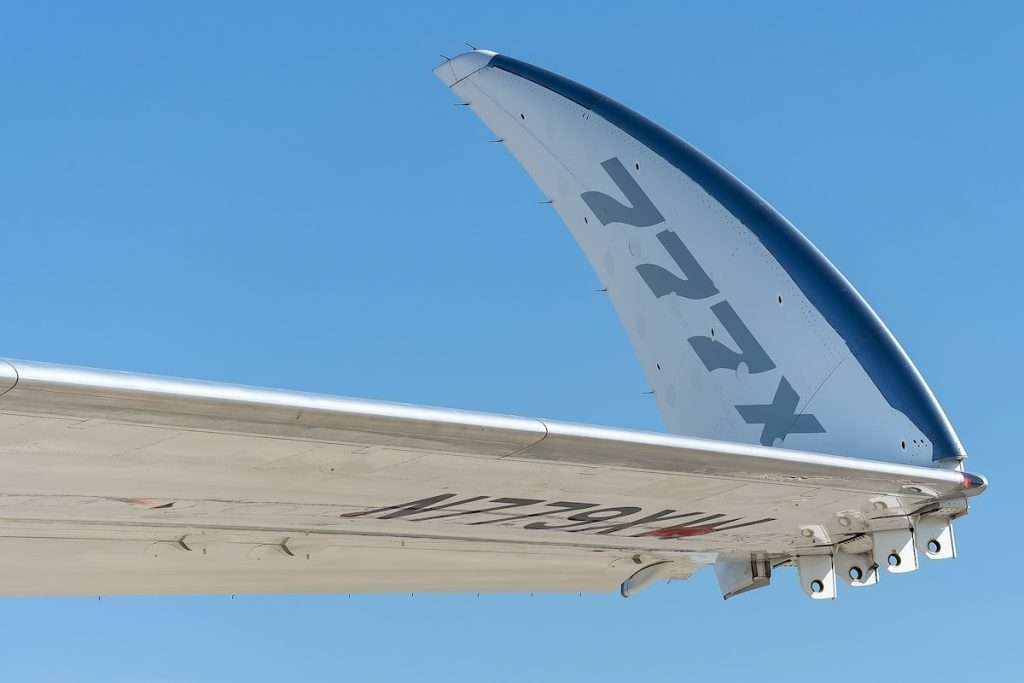
It led Boeing to develop the perfect aircraft that fit well within the Qantas fleet. However, the biggest bombshell came when Qantas declined to order this very aircraft that it helped design. Instead, it chose the Airbus A380 for transpacific flights and even went back to the Boeing catalogue to add more 747s to its fleet.
So, it’s easy to see why the news shocked the industry, given Qantas’ role in helping design the 777.
Did Qantas Prefer Other Widebodies?
Today, the Boeing 777 is one of the most iconic wide-body airliners ever built, with more than 1,700 aircraft delivered and still in use by several airlines after more than 30 years. In hindsight, it’s a monumental success that achieved its goal of creating the perfect aircraft based on design input from the airlines that use it.
However, when turning the clock back to the 90s, when Qantas had to decide whether to order the 777, the airline’s future with this aircraft wasn’t so obvious. Several factors could have impacted its decision to order alternative planes.
The Boeing 777 was a great wide-body aircraft on paper. But in reality, it was unsuitable for Qantas’ domestic route across Australia due to its size. Instead, the Airbus A330 was a better fit for those routes. The 777 was also designed to operate Transatlantic routes, but Qantas decided to focus on the Airbus A380 to fly those routes.
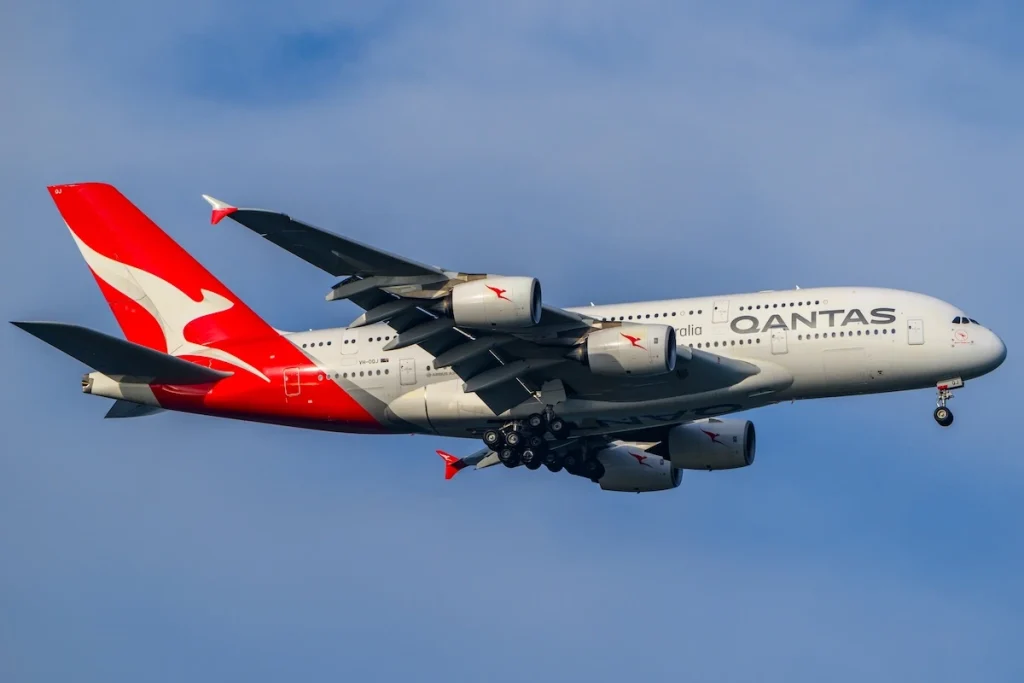
It’s often understated that the role of “sales tactics” is for securing aircraft orders. Airbus and Boeing are competing aircraft manufacturers vying for Qantas’ business. In this scenario, Airbus had a slight upper hand in negotiating its deal since it already had a more optimal aircraft for the domestic routes and a close competitor for international routes. There are rumours that Airbus is cutting a deal with Qantas for the A350-900 model, although this remains unconfirmed publicly.
Another perspective to consider is Qantas’ internal operations. During this time, Qantas placed one of its largest fleet orders, effectively shifting from a Boeing-dominant fleet to one that included 12 A380s and 13 A330s from Airbus. Operationally, relying on one manufacturer makes training and maintenance more cost-effective.
In later years, the former Qantas CEO, Alan Joyce, was quoted as saying he wished he could go back to 2000 and change the airline’s fleet order, likely referring to ultimately picking the 777.
When The 777X Came Around, Boeing Had Another Chance
Boeing was not without hope when it launched the 777X program in 2013, with upgraded features decades after the original 777. Once again, it returned to Qantas to offer its upcoming aircraft. Yet again, it was rejected by the airline. While the original 777 aircraft may not have been a good fit for Qantas operations at the time, this latest rejection could be Boeing’s fault.
While the 777 remains a monumental aircraft for Boeing, the company has faced significant media scrutiny following multiple high-profile crashes of the 737 MAX. This negative sentiment about Boeing aircraft is felt by both airlines and passengers.
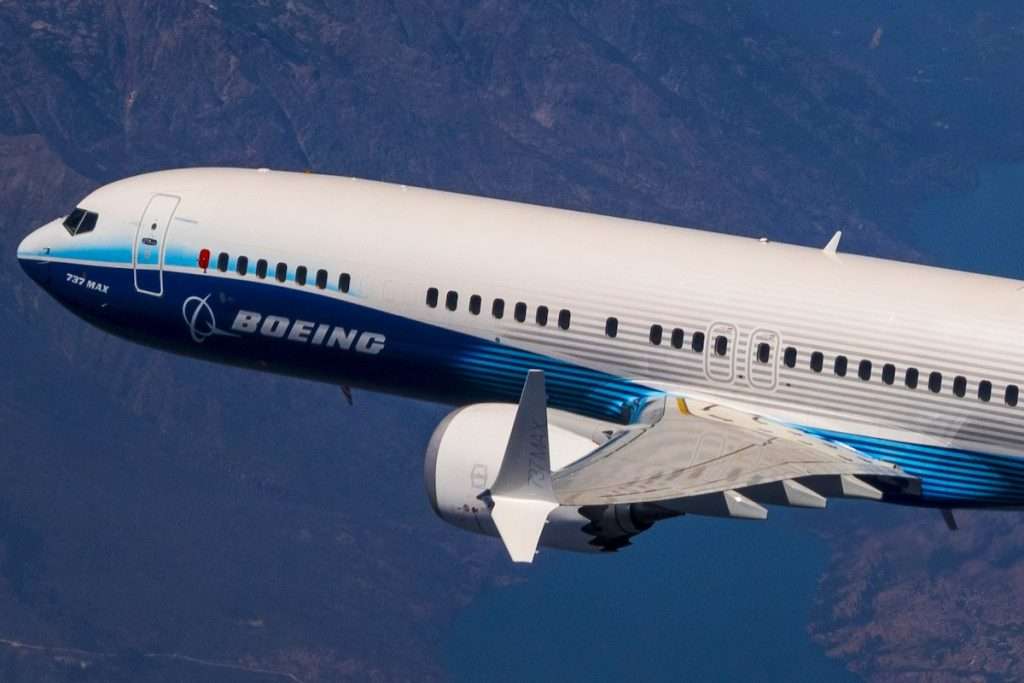
CREDIT: Photograph by Liz Wolter
Safety is the number one priority for airlines, and the widespread anxiety about flying on Boeing aircraft has impacted demand and passenger confidence. As a result, airlines, including Qantas, are hesitant to place large orders for Boeing aircraft until its reputation improves.
One of the biggest headlines about the 777X is the delivery delay, likely due in part to safety concerns. The 777X is having trouble obtaining its commercial flight certifications.
Boeing’s previous crashes mean closer oversight of aircraft inspections to ensure they’re safe. It was originally supposed to hit the market by 2020, but it’s already 2026 and still experiencing certification delays. Not to mention an additional minimum of one year of inspection and training from the airlines before it’s included in their fleets.
Is Qantas patient enough to wait for an unexpected delivery date and uncertainties about consumer perception of Boeing? Deciding to order the upgraded Airbus A350-1000ULR instead shows that the airline wanted a more certain option for its fleet moving forward.
Qantas Keeps Snubbing The 777 Family, Why?
Qantas now has an Airbus-dominant fleet, a major shift compared to its fleet in the 1990s. The latest fleet renewal order continues the trend. The decision to pass on the 777 was a pivotal moment that started the transition towards a more Airbus fleet than Boeing aircraft.
The 777 was originally designed with Qantas’ help as the optimal aircraft to serve a market that other Boeing planes had overlooked. Now, decades later, Qantas has many more options, such as the A380 and the A350-1000ULR. Combined with operational efficiencies and market timing, it paints an even clearer picture of why Qantas continues to snub the 777 family.

Boeing’s success with the 777 could continue with the 777X, which could convince Qantas to finally place an order. But at this point, does Qantas really need the aircraft? Or does Qantas need to prove that it made the “right” decision to reject the 777 in the first place by never including the family in its fleet?
Only time will tell…so long as the 777X gets past its delays.

ABOUT THE AUTHOR
Bryan Shelmon is an aviation journalist with 10 years of experience covering commercial aviation, private aviation, airports, aircraft and wider industry news. Based in the Detroit metropolitan area, he has contributed to publications including Lonely Planet, Matador Network and Visit Detroit.
Related Articles




Stay Informed
Get the latest aviation news, analysis and route updates delivered to your inbox.
We respect your privacy. Unsubscribe at any time.
Enjoyed this story?
Make us your go-to for aviation news
Add us as a preferred source on Google and see our latest stories first in Top Stories.
Add Us On Your News FeedRelated articles
· Airlines
Allegiant Air Buys Six More 737-8s From Boeing
Daniel Fowkes
26/10/2026
· Airlines
Emirates vs Qatar Airways: The Gulf Superhub Rivalry Compared
Bryan Shelmon
26/10/2026
· Airlines
Riyadh Air Is Moving Away From Riyadh
Daniel Fowkes
26/10/2026
· Airlines
Emirates Isn’t Worried At All
Daniel Fowkes
25/10/2026