
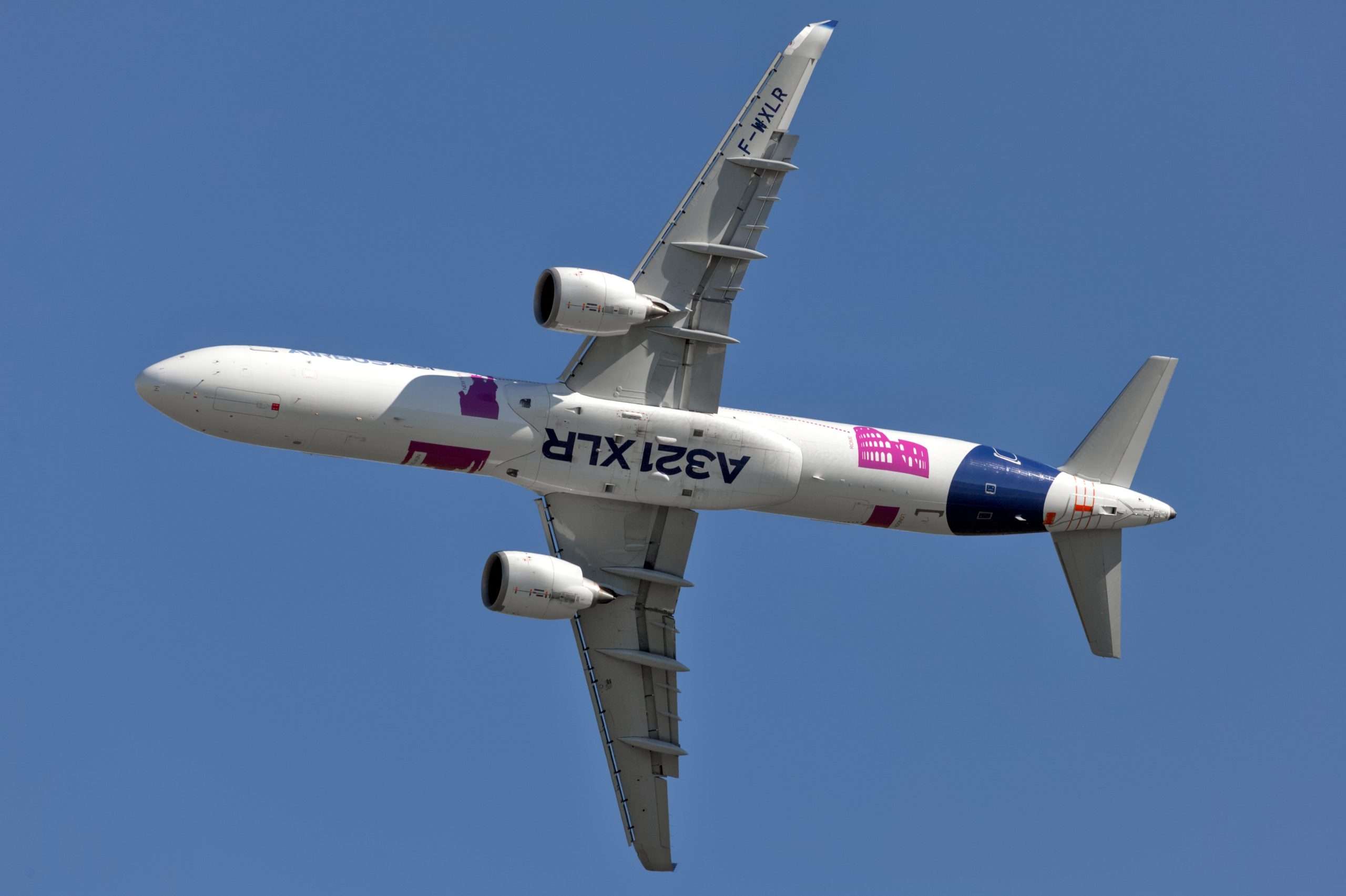
The arrival of the Airbus A321XLR to United Airlines’ fleet ushers in a new era of premium-class travel for its customers.
The A321XLR is the next-gen aircraft set to replace the Boeing 757s, serving not only as a replacement but also as an overall upgrade, offering a better onboard experience, expanded destination availability, and more efficient operations.
United’s A321XLR Order
The first Airbus A321XLR just arrived at United’s Tampa facilities in June 2026. United ordered 50 A321XLRs in 2019, valued at more than US$7 billion. However, delays have pushed the delivery date back by 7 years.
As a result, the A321XLR is one of United’s most exciting new aircraft to arrive, and the airline is wasting no time getting it outfitted to begin flying. The deployment will truly commence during the summer of 2026.
The Boeing 757 was United’s preferred narrow-body aircraft for use on long-haul flights for years. Production of the aircraft ceased more than a decade ago, and it’s finally time for United to phase it out in favour of a newer, state-of-the-art aircraft.
The shift to the A321XLR offers greater capacity, longer range, and improved fuel efficiency, all while maintaining the ideal size to serve many of the same markets as the 757.
Narrow-body Cabins But Long-haul Ambitions
United’s narrow-body long-haul flights are getting a major upgrade. If you’re accustomed to the 757’s onboard experience, things will look very different the moment you set foot on the A321XLR.
The A321XLR is a single-aisle aircraft that United is configuring to fit up to 150 seats. It will feature 20 United Polaris (Business Class) seats in a 1-1 configuration, 12 United Premium Plus seats in a 2-2 configuration, 36 Economy Plus seats, and 82 Economy seats.
Capacity in economy class is subject to change following United’s consideration of implementing a Eurobusiness setup to block the middle seat and create a more comfortable flying experience on long-distance flights.
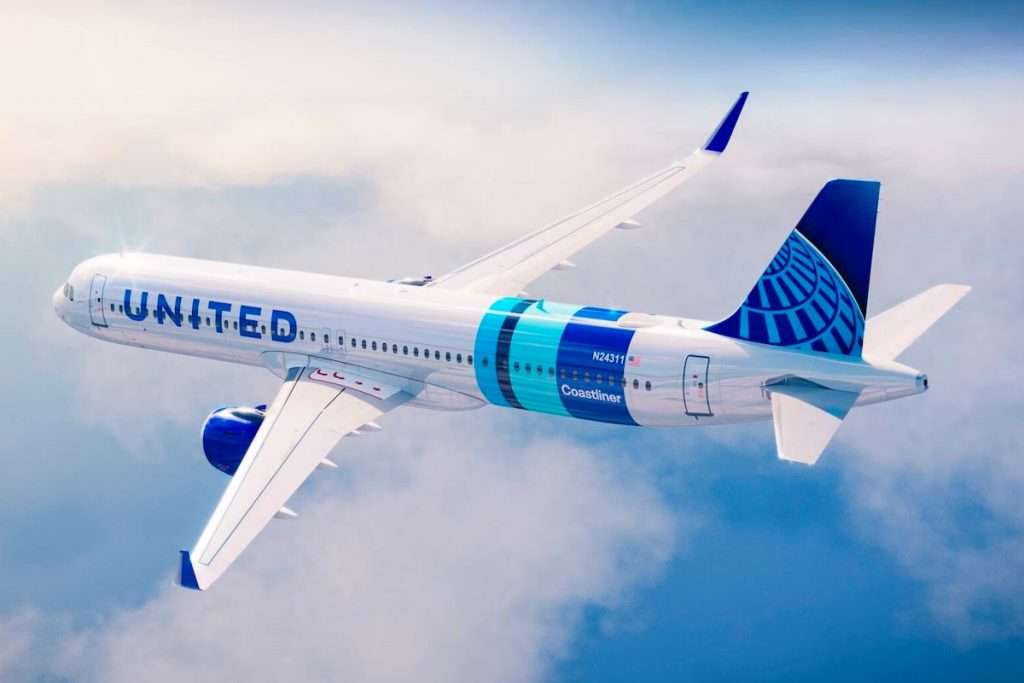
Since the A321XLR aircraft will primarily operate Transatlantic long-haul flights, United is focused on creating a premium flying experience across every cabin. With the United ‘Elevated’ interior now implemented on the aircraft, customers can expect enhanced comfort, whether they’re flying in business class or economy.
The United Polaris cabin is the highlight of the A321XLR. It’s United’s business class that’s making long-haul travel a pleasure for business and leisure travellers alike. Each of the cabin’s 20 seats is angled to accommodate the lie-flat seat design and is operated via a touch-screen seat control centre. Travellers also enjoy greater privacy, with a dedicated privacy door for each seat.
Seatback entertainment on the 4K OLED screen, the largest ever installed on a United aircraft, is also available. Keeping belongings organised is also easy with a dedicated storage compartment for small items, USB charging ports, and a large foldout table for dining and productivity during the flight. There is a dedicated bathroom for United Polaris cabin passengers only.
United Premium Class is also a standout cabin. It features larger seats than economy class to accommodate the 2-2 configuration with a slide-out divider for privacy from your seatmate. Each seat will have access to wireless charging and Bluetooth-enabled seatback entertainment.
The entire aircraft will be equipped with Starlink Wi-Fi, available free to MileagePlus Members.
The A321XLR Strategy at United Airlines
The A321XLR aircraft plays an important role in United’s operations as part of the fleet renewal program. It’s the perfect aircraft for long-and-thin routes as the airline is eyeing even more international routes in expanded markets.
The long-range capabilities of the A321XLR were one of the aircraft’s biggest selling points. It’s designed to fly up to 4,700 nautical miles (8,700 km). That gives it an estimated 11 hours of flight time, perfect for flying between US hubs in Newark and Washington-Dulles to destinations in Europe and Latin America.
Routes to South American destinations are expected to be a priority as United begins to phase the aircraft into its operations. However, as the backlog is delivered from Airbus, more opportunities will present themselves.
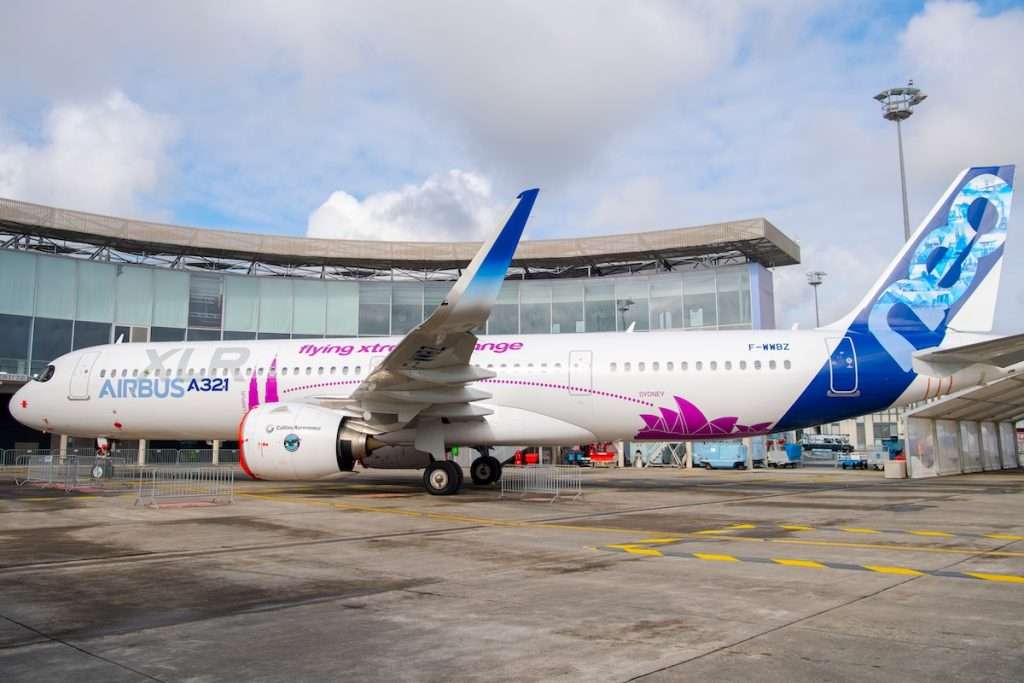
In addition to taking over routes previously served by the 757, the A321XLR is well-positioned to enter new secondary markets. The narrow-body design makes it the ideal candidate for landing at airports that are not feasible for wide-body aircraft.
Also, the smaller capacity will better match demand in secondary-city markets that can’t accommodate a larger aircraft, thereby improving profit margins. The long-range capabilities mean new United direct routes to North and West Africa, as well as to other European and Latin American cities, are entirely possible if feasible.
What This Plane Does for Customers & Narrow-bodies
United Airlines’ ambition to create a more premium product for its narrow-body long-haul flights can finally come to fruition with its new A321XLRs. Its onboard experience is reshaping how passengers travel on long-haul routes as customer expectations continue to rise.
United is making the premium experience world-class for passengers booking seats in United Polaris. It begins the moment passengers arrive at the airport with access to United Polaris Lounges at Newark Liberty International Airport (EWR) and Washington-Dulles Airport (IAD), where many of the A321XLRs are expected to depart.
The seating configuration on the A321XLR also allows United to enhance the flying experience by offering more lie-flat seats (20 on the A321XLR compared to 16 on many of its 757s). Also, larger seats and seatback entertainment systems throughout the aircraft show that United wants to make long-haul flights comfortable for everyone, even on narrow-body aircraft.
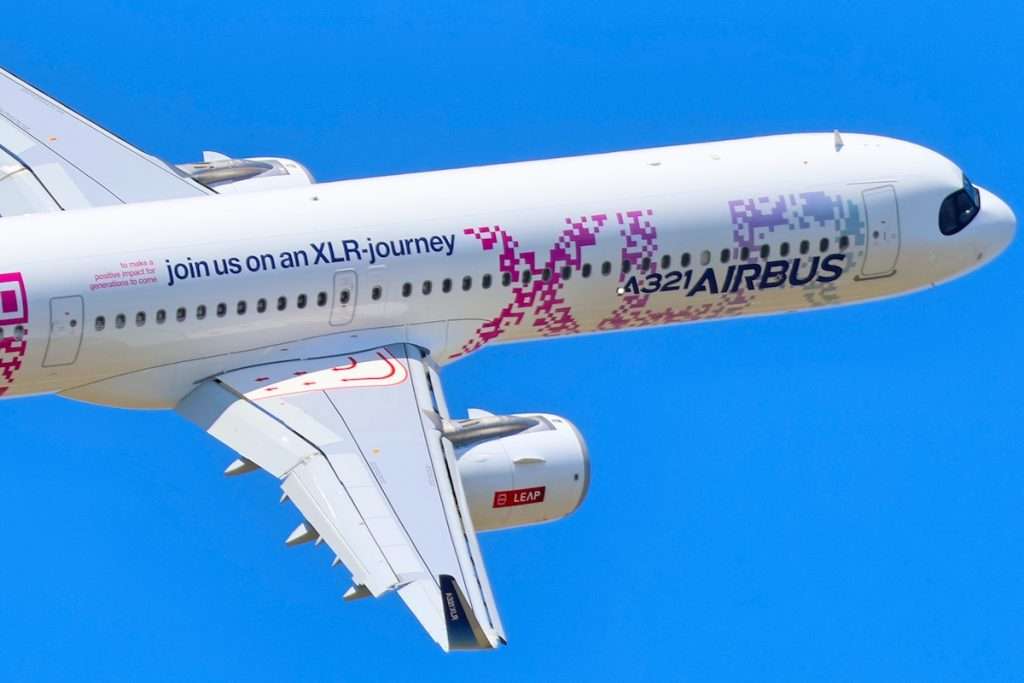
United now has the perfect aircraft to enter new markets that its customers have long demanded. Beyond this, there’s a chance seasonal routes could become more permanent as the A321XLR makes more sense for year-round operations, given demand.
Customers will have an entirely new experience flying on a United narrow-body aircraft. The flying experience, combined with new routes, could make United Airlines the preferred airline for transatlantic flights in the near future.

ABOUT THE AUTHOR
Bryan Shelmon is an aviation journalist with 10 years of experience covering commercial aviation, private aviation, airports, aircraft and wider industry news. Based in the Detroit metropolitan area, he has contributed to publications including Lonely Planet, Matador Network and Visit Detroit.
Related Articles




Stay Informed
Get the latest aviation news, analysis and route updates delivered to your inbox.
We respect your privacy. Unsubscribe at any time.
Enjoyed this story?
Make us your go-to for aviation news
Add us as a preferred source on Google and see our latest stories first in Top Stories.
Add Us On Your News FeedRelated articles
· Airlines
Allegiant Air Buys Six More 737-8s From Boeing
Daniel Fowkes
26/10/2026
· Airlines
Emirates vs Qatar Airways: The Gulf Superhub Rivalry Compared
Bryan Shelmon
26/10/2026
· Airlines
Riyadh Air Is Moving Away From Riyadh
Daniel Fowkes
26/10/2026
· Airlines
Emirates Isn’t Worried At All
Daniel Fowkes
25/10/2026