
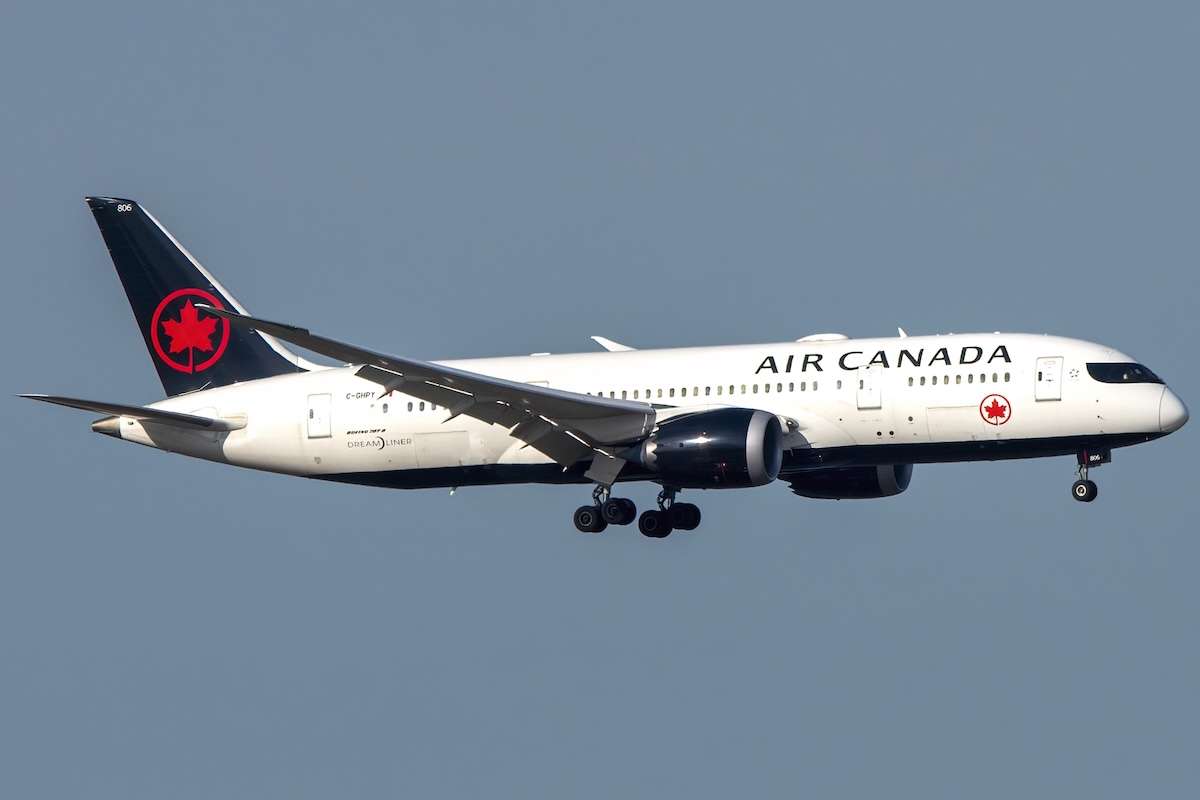
Air Canada is making a cool change to its Boeing 787 operations on the international front, with its Montreal-to-Seoul Incheon service set to shift this year.
The subtle difference, though still interesting, will occur between off-peak dates in September and October, according to a recent filing flagged by the reputable aeroroutes.com.
The Schedule Shift Is Confirmed
As part of the change, Air Canada will downgrade the aircraft used for specific departures from Montreal on its service between Montreal and Seoul Incheon, with the shift ensuring the family stays the same, but the 787-8 replacing the larger 787-9.
For September and between the 5th and 8th, the airline will see the aircraft on Days 2 and 6 have the 787-8. That will also continue for a select period between 17 September 2026 and 29 September 2026, on specific days: 2, 4, and 6.
Also, one service on October 3rd will welcome the shift to the 787-8. Typically, the airline operates the route three times a week during the off-peak season with its 787-9, but the 787-8 will make a rare appearance as part of a brief capacity downgrade.
AC67 is tasked with the job and is scheduled to depart Montreal at 1220 for a next-day arrival in Seoul Incheon at 1625. AC68 is the return flight, departing Incheon at 1800 and arriving in Montreal the same day at 1815. All times local to their respective city.
What The Air Canada 787 Shift Means
For Seoul flying, the primary change isn’t the Dreamliner’s departure as an aircraft, but rather a modest capacity reduction over this limited period with the 787-8, a smaller airframe that carries fewer people and is typically deployed on missions where capacity isn’t the priority.
Those 787-8s have been important for the airline over time in serving softer, and certainly seasonal, locations where demand impacts service on a yearly basis. While demand may still be present, it allows the shift to be made, such as to Seoul when bookings cool and can position the larger 787-9 elsewhere.
With the 787-8 and 787-9 ultimately operated by the same airline, they share similar cabin features, so the onboard experience for customers won’t be noticeably different. With a similar architecture, business-class layout, IFE, and comfort, the only change will be at the airline, with fewer seats available.
As Air Canada prepares to welcome its Boeing 787-10, the high-capacity model in the series, and completes its commitment to every variant in the family, these network shifts will become increasingly common.
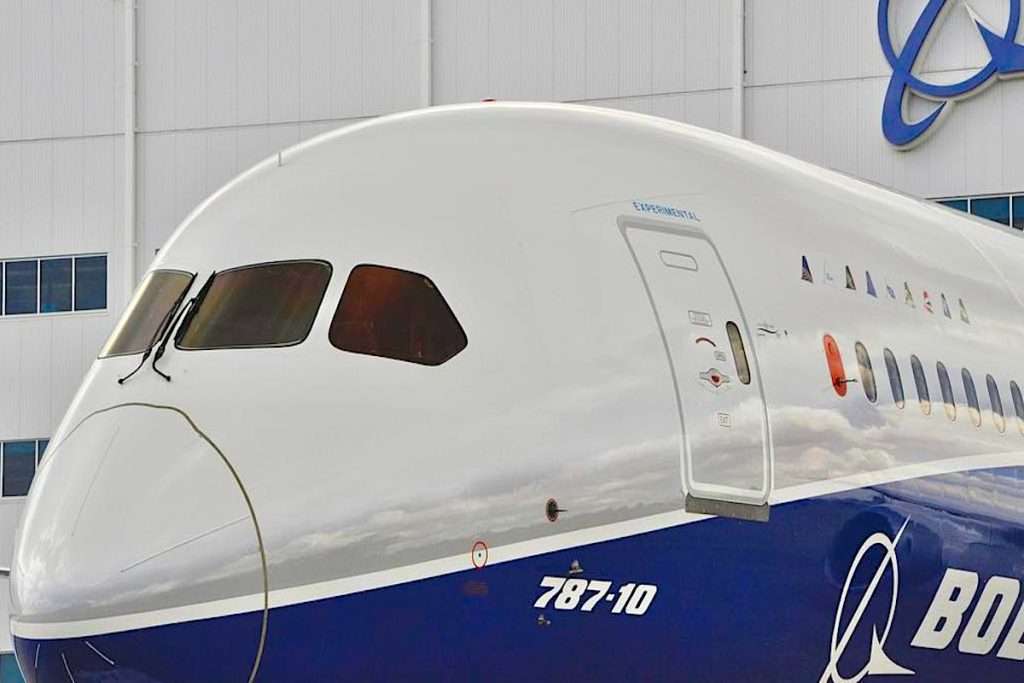
The 787’s flexibility allows temporary changes in deployment of variants with little to no impact, thanks to the interchangeability of the models. Air Canada’s broader family key as a long-haul platform to serve international markets, but its flexibility is what shines through and allows for changes like these.
The shifts mean that the airline can maintain its thrice-weekly schedule even during off-peak months, redeploy the larger 787s to other cities during that period, and then, when demand returns, make the swap. All this ensures its presence remains and means the tweak is minor.
Some airlines, such as United, will replace aircraft on routes, switching from the 777 to the 787 for limited periods. These changes are more noticeable as the tech featured on the planes represents two separate generations. For those like Air Canada, their fleet built with the 787s means shift like these to the average traveller will not be noticeable.

ABOUT THE AUTHOR
Daniel Fowkes is a Melbourne-based aviation analyst and journalist with over a decade of industry experience. As founder of Dj’s Aviation, he delivers trusted analysis on aircraft, airline strategy and global aviation trends for djsaviation.net
Related Articles




Stay Informed
Get the latest aviation news, analysis and route updates delivered to your inbox.
We respect your privacy. Unsubscribe at any time.
Enjoyed this story?
Make us your go-to for aviation news
Add us as a preferred source on Google and see our latest stories first in Top Stories.
Add Us On Your News Feed