
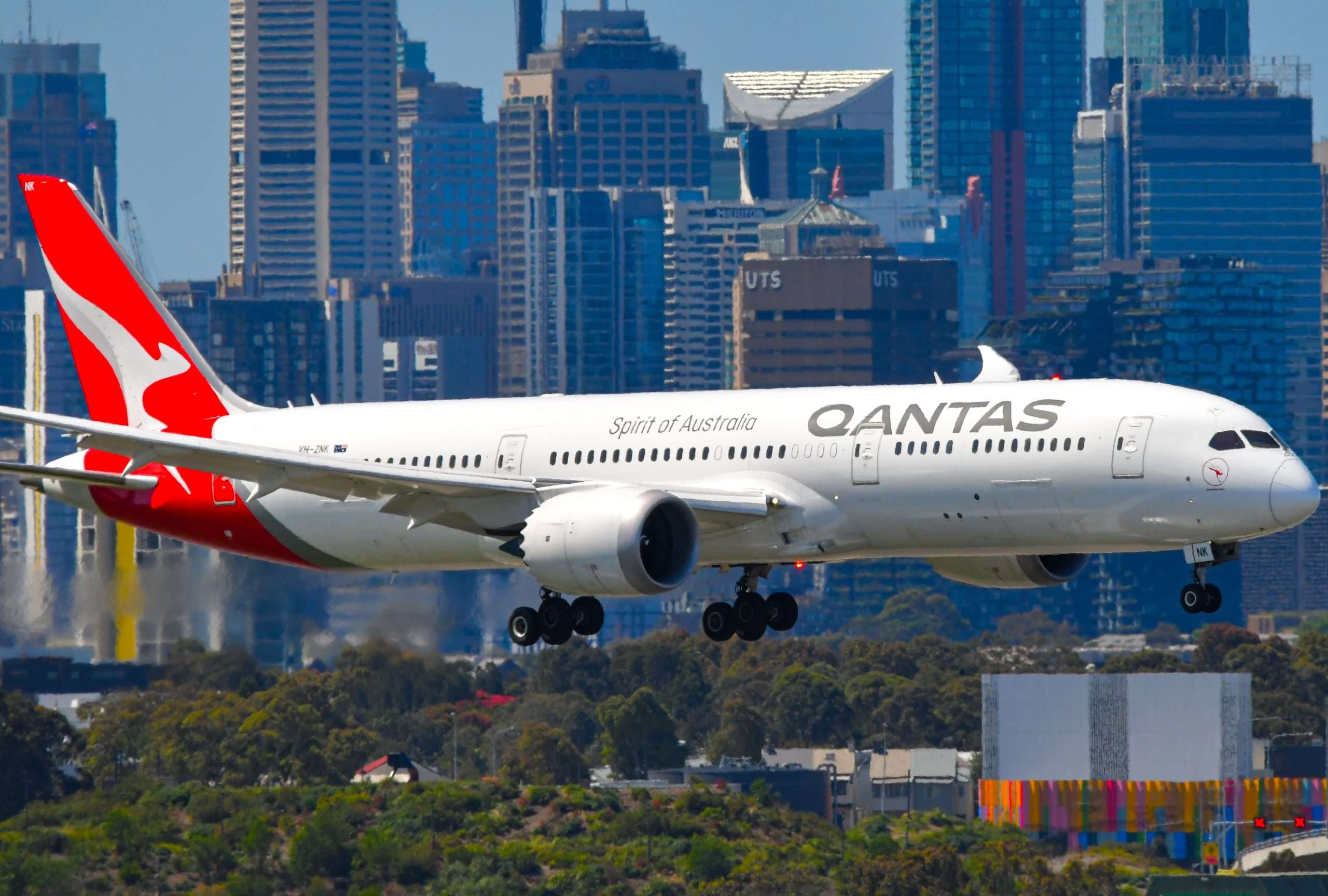
Qantas is moving in the shadows, aiming to place a new commercial aircraft order directly aimed at overhauling its widebody fleet, and the Airbus A350 and Boeing 787 are the two leading candidates
Reports say the airline is in an evaluation period in which 20 aircraft are being studied, notably the 787-9 from Boeing and the A350-900 from Airbus. This is a departure from the larger A350-1000ULR it has ordered for Project Sunrise and the base -1000 model for its A380 replacement.
What Qantas Wants For The Future
According to reports, Qantas is evaluating an order of around 20 widebody jets, with Airbus and Boeing as the providers for a mid-sized widebody rather than a high-capacity option like the 777-9.
The deal sits alongside previous arrangements by the airline for jets like the 787 to replace some of its mid-sized widebodies in the A330 part of the current engine option and continue shifting towards new-gen planes, and certainly the removal of less efficient quad-engined types.
The new evaluation being conducted by the airline aims to address the need for 20 planes that would benefit the long-haul fleet but would not represent a totally new direction for the business. It’s understood that Airbus would pitch its A350-900 to the Australian flag-carrier.
Airbus’ A350-900 serves as the baseline variant and is smaller than the already on-order A350-1000s and A350-1000ULR, which offer greater capacity and, in the latter case, a longer range. At the same time, Boeing has the chance to put forward its 787 Dreamliner again, an already integral part of the business, through a possible singular or mixed variant pitch.
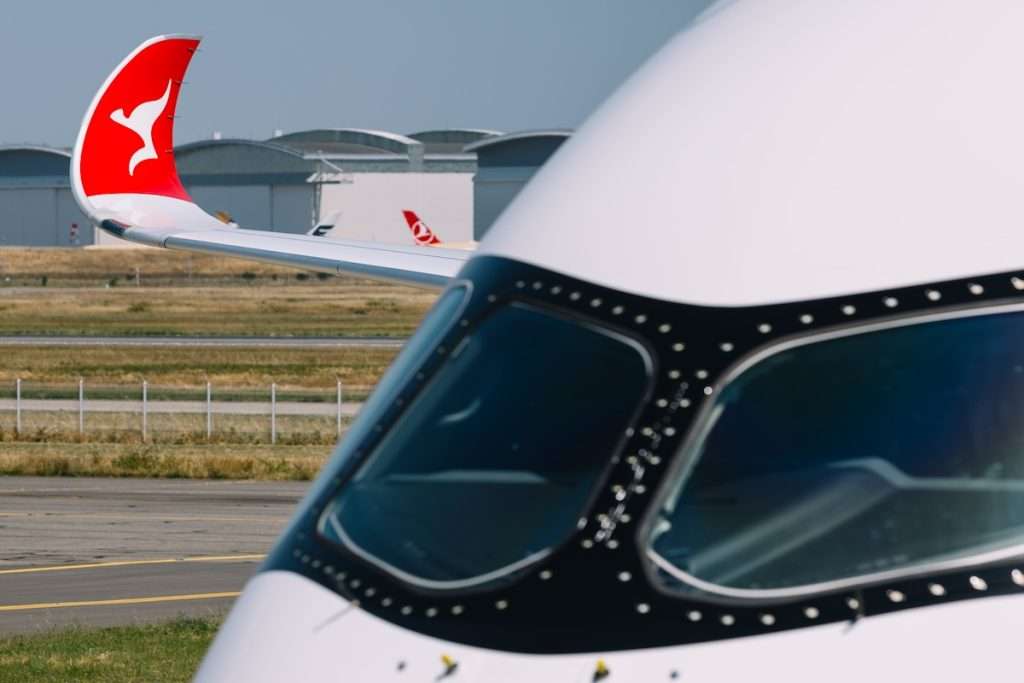
Qantas doesn’t fly the A350-900, nor does it have the model on order yet; if it were to select this variant for its future flying, it would mark the debut of a new variant in the fleet while still aligning with the broader commitment to the A350 family.
Why Qantas Needs More Aircraft
Qantas’ leadership has leaned heavily on the need for fleet renewal, emphasizing that this will be the biggest in its history, involving many narrowbody and widebody types, not just to bring down the average age but also to increase the number of planes in service.
On the long-haul side, which is the focus of the airlines’ next widebody order, the airline has a fleet of Airbus A330s that fly both domestic trunk and international services but are increasingly being outclassed by newer types for range and improved fuel burn.
The order for the 787 and even the A350-1000 to replace the A380s years back was perceived as the final piece in the efforts to replace aircraft; however, with delivery slots and the evolution of the network since then, gaps have emerged, and new opportunities have arisen for 20 planes to come in and fill them.
Additionally, with much attention on Project Sunrise, the replacement of other high-capacity models must still be considered. The airline operates the A380 but abruptly retired the 747 at the beginning of the COVID-19 pandemic.
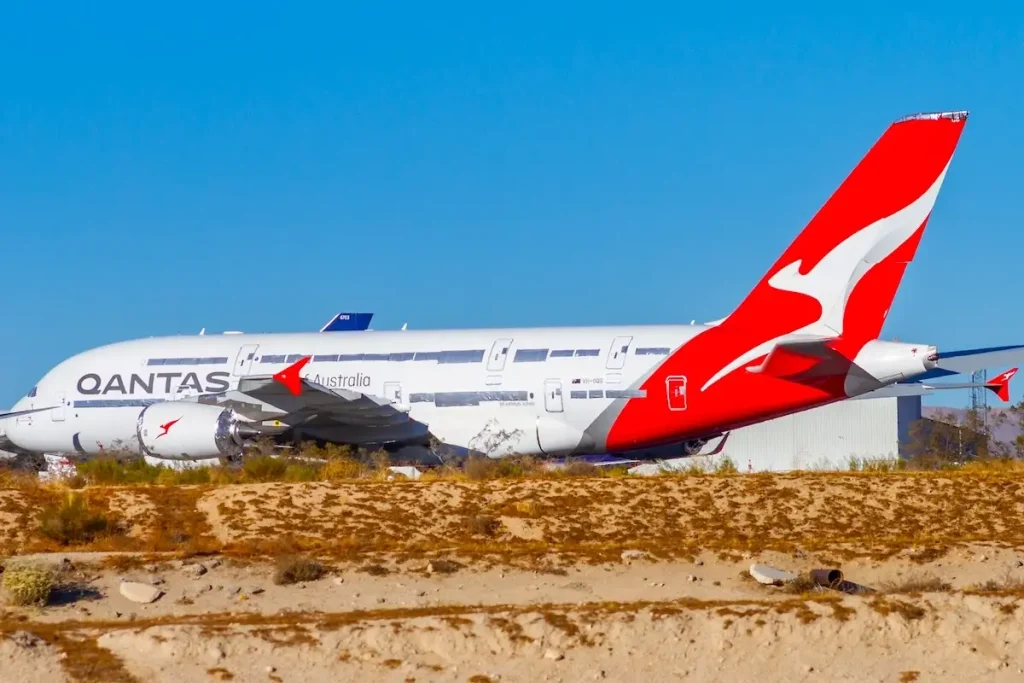
While inbound next-generation jets have reduced per-unit capacity costs, capacity has declined unless routes have been scaled. For Qantas, the A350-1000 will be the like-for-like replacement of the A380 from the early 2030s. But having greater flexibility in widebody operations will be key.
Most airlines build their fleets to be flexible, allowing jets to be easily swapped to meet strong seasonal demand, open new routes seasonally, or make routes previously targeted but not viable suddenly viable.
The versatility of the aircraft mix offered across the international network is important. Several of those pillars have been built, and a backbone infrastructure has been established. But, finding more mid-range and ordinary widebodies to improve connectivity to Asia, North America, Europe, and more that aren’t marquee flying will be important in the 2030s and beyond.
Buying Aircraft Now For The Future
With the Airbus A350 and Boeing 787 families targeted, the urgency of this order also stems from widebody capacity becoming a very real factor for airlines worldwide. As planemakers haven’t been able to scale up production to meet existing backlogs and support new demand, delivery slots are being snapped up through the next decade.
This means that, for airlines such as Qantas, there’s pressure to make decisions for the next decade now, if possible. If an airline is unable to take on that risk in the foreseeable future or is smaller in nature, the leasing market remains the only option, though even this avenue faces pressure.
Qantas is looking to order the A350 or 787, acting on options or placing a new agreement would provide assurance that jets would be delivered when they need and want them, permitting no delays, but delays are different to the inability to even secure a delivery slot.
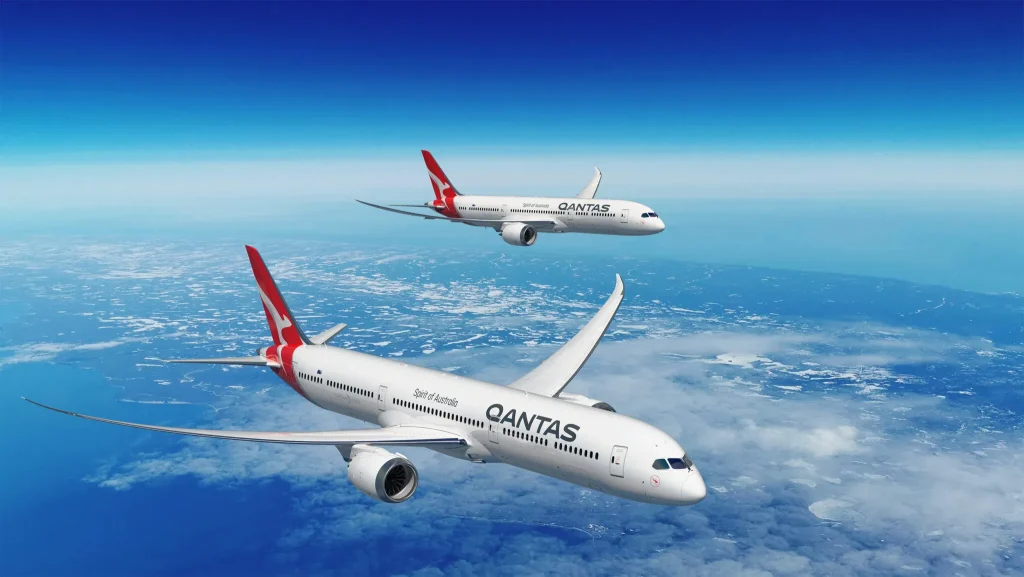
As more people want to travel, the Australian population continues to grow rapidly, and the flag carrier aims to offer more international flights to new and existing destinations. It’ll be important to add widebody jets that not only replace models like the A380 and support Project Sunrise, but are also mid-sized.
With the deal still in its early stages, both Airbus and Boeing will be making their best pitches to secure the lucrative contract to supply one of the industry’s most ambitious and renowned airlines with the planes it needs.

ABOUT THE AUTHOR
Daniel Fowkes is a Melbourne-based aviation analyst and journalist with over a decade of industry experience. As founder of Dj’s Aviation, he delivers trusted analysis on aircraft, airline strategy and global aviation trends for djsaviation.net
Leave a Reply
Related Articles




Stay Informed
Get the latest aviation news, analysis and route updates delivered to your inbox.
We respect your privacy. Unsubscribe at any time.
Enjoyed this story?
Make us your go-to for aviation news
Add us as a preferred source on Google and see our latest stories first in Top Stories.
Add Us On Your News Feed
Being ex Qantas (40 years) I believe that Boeing is likely to offer a 787-XXXvery shortly to compete against the A350-Sunrise the A350-1000ULR will have to be very good as the A380 has been a bit of a failure with only a very short life span ( in comparison to the 747 Family)I feel Boeing will likely win some points, but the A321-XLR has already become a popular aircraft with airline customers and Qantas itself…May the best producer win