
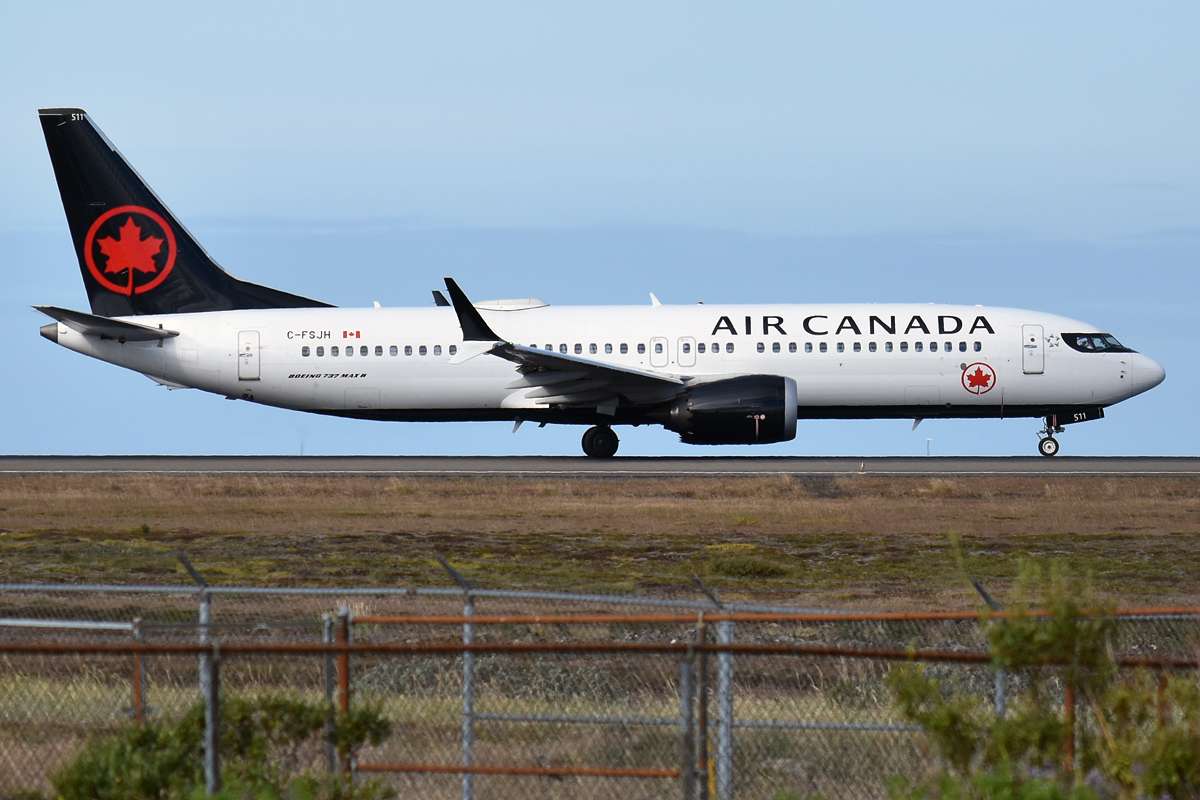
Air Canada has quietly said bon voyage to another one of its 737-8s from the MAX family as it continues transferring the single-aisle from its mainline to the Rouge brand.
C-FSIP represents the latest aircraft, which has been flagged for transfer as part of a reshaping in the airline’s domestic and single-aisle broader Group makeup, with the continued departure of MAX jets scheduled throughout the 2026 calendar year
Background on Air Canada’s MAX Decision
Air Canada will be saying goodbye to the 737 MAX, but not fully; the series will remain within the Group, but will no longer be visible across the mainline division. Instead, a transfer has long been planned towards Air Canada Rouge, a leisure-oriented side of the business with a very different route makeup.
C-FSIP’s transfer is one of the many long-planned transfers and is now finally seeing the wheels put in motion to facilitate it. Announced nearly two years ago, it was decided that all existing 737 MAXs, plus the remaining deliveries, would be shifted to Rouge.
As a consequence of the transfers towards the back end of the 2020s, Air Canada’s mainline operation would no longer rely on any Boeing single-aisle aircraft to power its jet operations. It would have shifted to Airbus for this role.
Why The 737 MAX Is Leaving
The reason is simplification and economics. Air Canada sees positives in limiting its mainline operation to Airbus narrowbodies, centered on the A220 and the incoming A321XLR. These two models both offer something different.
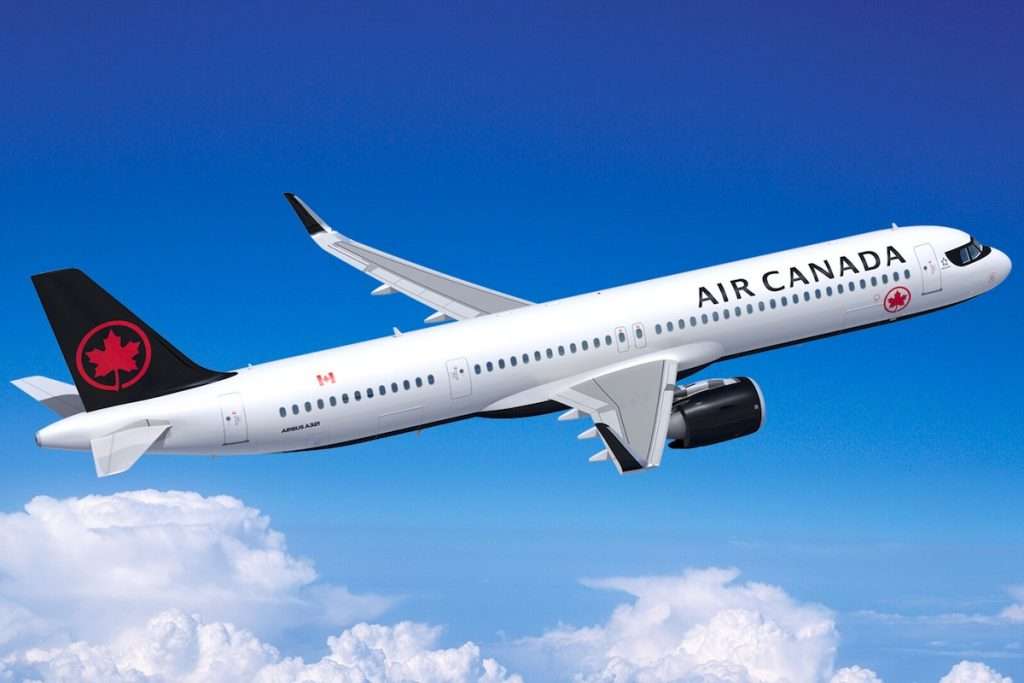
Axing the 737 MAX means that the carrier will remove its mainline flying, which is one of the more pivotal aspects of day-to-day operations, including removing excess baggage, and a model that would overcomplicate matters.
Additionally, an opportunity arose in which the 737 MAXs could still be useful and largely spurred the decision, which stemmed from the necessity to renew the Rouge fleet. This ageing fleet includes A320ceo family jets from the A319 to the A320s.
As these aircraft have aged and continue to age, their operating costs have risen compared to inbound next-gen jets. For the 737 MAX, the unit cost is roughly 20% lower than that of these older Airbus jets. The switch means the MAX is better suited to less lucrative routes where there is greater sensitivity to pricing and yields may be lower.
Moving the 737 MAX jets over was a simple choice, reducing the Air Canada mainline division to just Airbus single-aisles, the A220 and A321XLR. Then, the move addressed concerns with the older narrowbodies at its Rouge branding without forcing a brand-new order.
What Changes With These 737 MAXs?
While the Boeing 737 MAXs aren’t being sold to someone on the other side of the world and are staying within the business but under a different division, that doesn’t mean Air Canada isn’t committed to them for the long term and thus making neccesary changes to better suit the leisure brand.
With the MAXs destined for Rouge, Air Canada has chosen to reconfigure the planes to suit leisure-focused operations better and make them denser. Given that the 737 MAXs aren’t to be retired anytime soon from Rouge and are the future, these investments to align them more closely with the leisure arm’s objectives are important to ensure customers remain pleased with the product on offer.
Under the new configuration, there will be 12 Business Class recliners, followed by 18 preferred extra-legroom economy seats, and then 147 standard economy seats. The airline is therefore able to squeeze more seats into the configuration than in mainline operations.
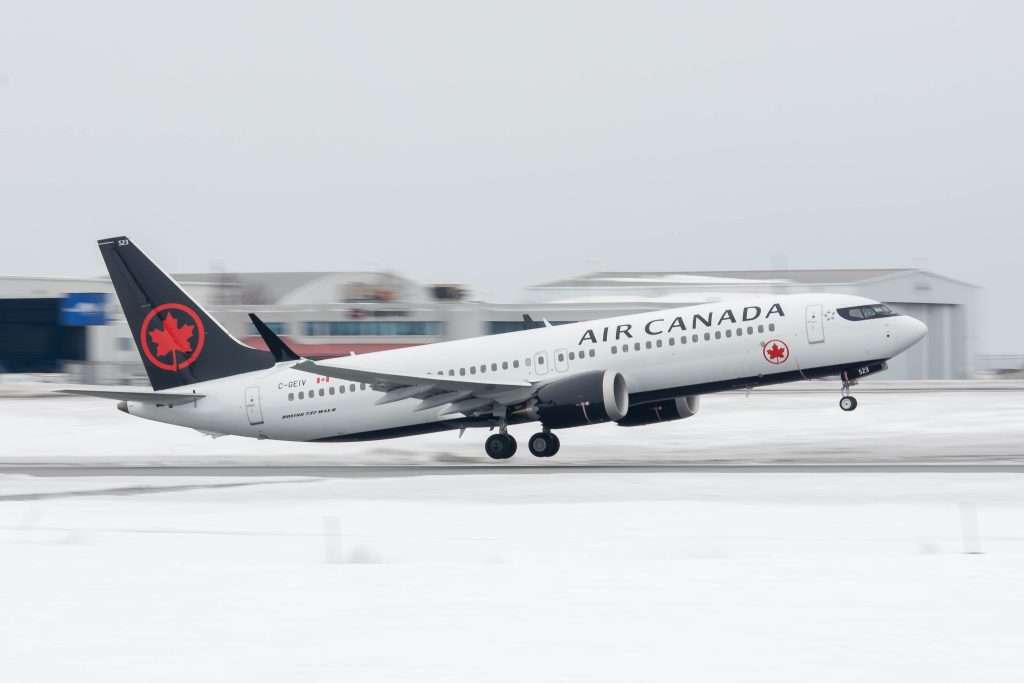
By squeezing more capacity and ensuring lower per-frame unit costs, this better aligns the business with its overall ambition. The upgrades will include seatback entertainment at every seat, reclining seats, and fast, free Wi-Fi for Aeroplan members.
Overall, the second life will feel a bit different with Rouge, and that’ll include where these 737 MAX jets are sighted, too. With a more leisure-oriented deployment, ensuring there are services to sun routes like those in the Caribbean, Mexico, towards Florida, and Central America instead of the corporate trunk routes at the mainline.

ABOUT THE AUTHOR
Daniel Fowkes is a Melbourne-based aviation analyst and journalist with over a decade of industry experience. As founder of Dj’s Aviation, he delivers trusted analysis on aircraft, airline strategy and global aviation trends for djsaviation.net
Related Articles




Stay Informed
Get the latest aviation news, analysis and route updates delivered to your inbox.
We respect your privacy. Unsubscribe at any time.
Enjoyed this story?
Make us your go-to for aviation news
Add us as a preferred source on Google and see our latest stories first in Top Stories.
Add Us On Your News Feed