
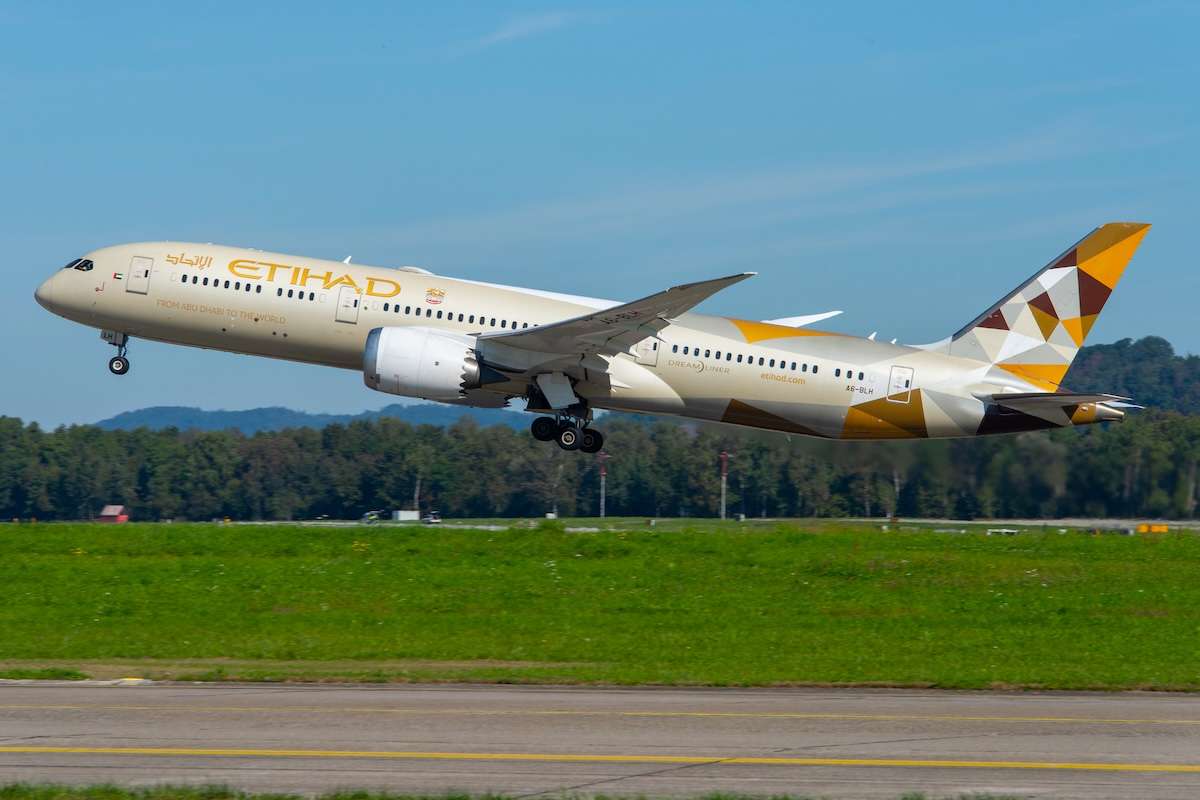
Etihad Airways is ramping up its flying following a disrupted 2026 due to the Iran War with its record-breaking biggest summer schedule.
The services built around more than 300 daily flights are expected to deliver near-record load factors, with many destinations being added to the network and returning to service.
The Abu Dhabi-based carrier is seeing strong demand throughout the UAE capital and, as such, is increasing its summer capacity by around 10% year on year, made possible by a fleet that has increased by over 20 units from last year.
Etihad Airways’ Record-Breaking Summer
This season, Etihad Airways says it’ll operate at close to 90% load factors, which means that for all the new services it’s looking to add, whether to existing or new cities, there is enough capacity to absorb them across the network.
Whether it’s European hotspots, North America, Asia, Africa, or closer to home in the Middle East, demand for both originating and destination traffic shows that aggressive schedule scaling is paying off.
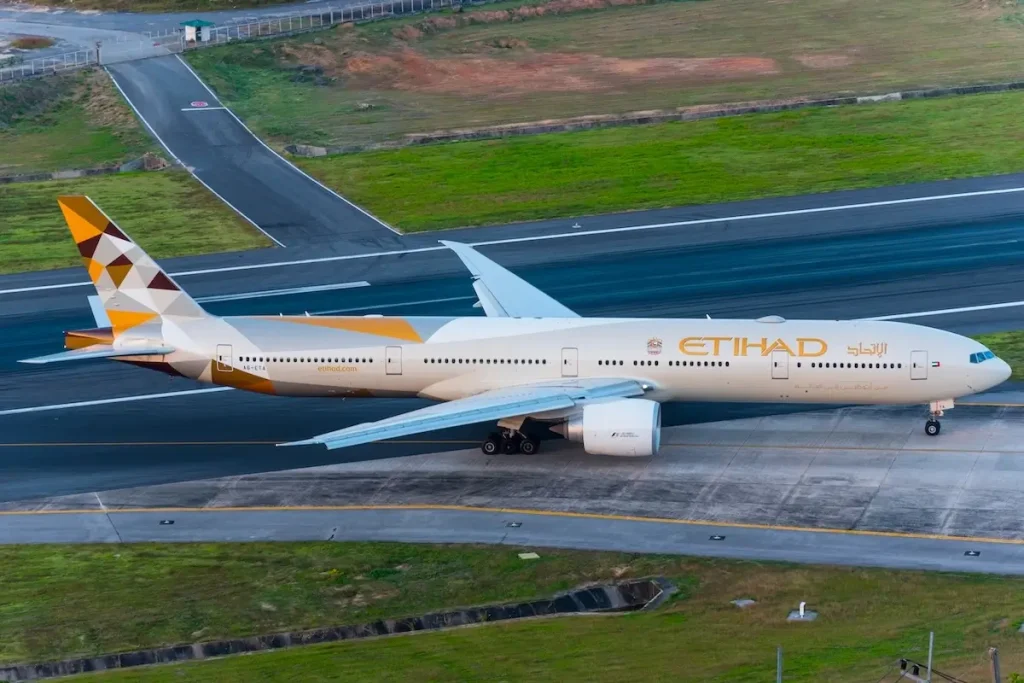
What Antonoaldo Neves describes as the most ambitious summer programme yet, the moves from the Abu Dhabi-based carrier are set to become common for the remainder of the decade as it accelerates toward Journey 2030. This initiative is part of an effort to scale its business, grow and substantially increase its impact on the industry.
With flying now offered to more guests and across more destinations than ever before, Etihad Airways is connecting Abu Dhabi better. The airline’s combination focuses on higher frequencies and new city pairings, allowing it to make a decisive shift away from the recovery-led approach seen in the late-2010s and into the early part of the decade.
4 New Routes Help The Surge
At Etihad Airways, the pace of growth has been alarming. This is a business not holding back, leveraging the many new aircraft being delivered to help scale and return cities long absent from its network, while also increasing frequency where required, such as the A380 deployed double-daily to Paris Charles de Gaulle.
Between 11 June and 14 June, Etihad Airways’ rapid growth was on display as it launched four new routes in four days. Headlining were flights to Krakow, linking its home base of Abu Dhabi to one of Europe’s most iconic cultural centers. That route was supported by Palma de Mallorca, which opened a direct service to the Balearic Islands of Spain.
Then, Damascus returned to help aid regional connectivity in the Middle East and restore a link that has endured great instability across the last 20 years. Lastly, Zanzibar launched a new nonstop flight to ensure the Indian Ocean hotspot received service.
These new services that the airline greenlight and launched in quick succession have aimed to respond to passenger requirements. As such, whether it’s city breaks or beach escapes, the airline has them covered with its mix of efficient twin-engine aircraft.
More New Aircraft Fuel Ambition
What makes Etihad Airways’ record-breaking schedule possible is its ability to continue taking delivery of new next-generation aircraft from its existing order backlog. It’s not done either, with a fresh appetite to place new aircraft orders for large jets to aid international flying, as reported.
Year on year, the airline has added in the region of 23 new planes; this is more than enough to give it the lift and capacity to add routes and increase frequencies without stressing aircraft utilization. The deliveries are pivotal to enabling markets to return and to adding new ones.

However, it’s one thing for new routes to be added and for a record-breaking schedule to be in place, but it’s another to see positive results from this without affecting margins. Etihad Airways’ expansion has been calculated, and the carrier hasn’t just been capacity dumping; instead, its aircraft are running close to 90% full, validating the expansion and confirming that the right cities are being chosen.
There’s increasing confidence within the business that expanding and increasing capacity is working, and Jorueny 2030 timelines and figures have ultimately changed over time to grow as the business wildly underestimated how quickly growth would be achieved.

ABOUT THE AUTHOR
Daniel Fowkes is a Melbourne-based aviation analyst and journalist with over a decade of industry experience. As founder of Dj’s Aviation, he delivers trusted analysis on aircraft, airline strategy and global aviation trends for djsaviation.net
Related Articles




Stay Informed
Get the latest aviation news, analysis and route updates delivered to your inbox.
We respect your privacy. Unsubscribe at any time.
Enjoyed this story?
Make us your go-to for aviation news
Add us as a preferred source on Google and see our latest stories first in Top Stories.
Add Us On Your News FeedRelated articles
· Airlines
Allegiant Air Buys Six More 737-8s From Boeing
Daniel Fowkes
26/10/2026
· Airlines
Emirates vs Qatar Airways: The Gulf Superhub Rivalry Compared
Bryan Shelmon
26/10/2026
· Airlines
Riyadh Air Is Moving Away From Riyadh
Daniel Fowkes
26/10/2026
· Airlines
Emirates Isn’t Worried At All
Daniel Fowkes
25/10/2026