

The Airbus A350-1000ULR has completed its first flight. This is the world’s longest range aircraft programme and part of bringing Qantas’ Project Sunrise to life.
The first aircraft, MSN707, flew for 3 hours 43 minutes from Toulouse, reaching a total altitude just above 41,000 feet. Aboard the flight were key personnel carrying out checks and more.
As Qantas and Airbus gear up for more testing and the first delivery, this is a monumental step toward securing the green light to commence deliveries and validating all the ground testing that has led up to this moment.
Aboard The First A350-1000ULR Flight
The flight involving the ULR was operated by the dedicated flight test crew at Airbus and fitted out differently ot a regular passenger flight, thanks to special flight test instrumentation.
During the flight, the crew monitored performance and examined how the new fuel system architecture functioned. This was the defining change for the ULR and helped enable the ultra-long-range capabilities for which it was purposefully built.
The first flight off the ground is pivotal to allowing Airbus to continue with a multi-month programme that will see a test flight campaign take a notch up to certify the adjustments made.
While this is the Airbus A350-1000, the ULR attached to the end is due to adjustments to the base model, like the A321XLR, that allow the aircraft to autonomously fly 18,000km, or almost 10,000nm, without a single stop; the additional fuel tank is the central focus.
Why The A350-1000ULR Stands Out
The Airbus A350-1000ULR has now become the fourth passenger variant of the broader family and serves as the flagship widebody product following the conclusion of A380 production. The -1000ULR sits with the regular A350-900 and A350-1000, however, also with the A350-900ULR as the four available models.
What makes this aircraft different is its capabilities over the A350-1000 base model for ultra-long-haul missions, for which it has been developed specifically, not for the broader market, but for Qantas and its Project Sunrise missions.

The jet is heavier and carries more fuel; thus, the fuel systems have been heavily modified compared to the standard variant. The changes mean the aircraft can connect Sydney and London, as well as Sydney and New York, without a single stop.
As a result, the aircraft has been optimised from the ground up, not just to travel these marathon distances but also to ensure passenger comfort remains comparable to that of a regular long-haul flight. A cabin layout has been carefully curated to support that with air quality shifts, lighting and seating changes driven by studies to reduce fatigue.
Now, this is an aircraft that sits in its own class as the world’s longest ranged production aircraft, and one purpose-built for a groundbreaking initiative often described as the final frontier of flight by the Australian flag-carrier.
A Complicated Delivery To Qantas
Qantas has ordered 12 of these Airbus A350-1000ULRs specifically for the Project Sunrise programme. That is then complemented by another order for 12 A350-1000 base models, which will help phase out the A380s from the early-2030s and is separate from the marathon flights.
The aim is simple: Qantas wants to overcome the barriers posed by its geographic positioning to major international markets like London and New York. Meaning that from the East Coast of Australia, flights can be operated nonstop, saving many hours and avoiding layover complexities.
The first aircraft is expected to enter Qantas’ hands in April 2027, paving the way for a crew training programme through 2027, with a hoped-for debut on marathon flights by the end of 2027. However, that timeline has been considerably delayed, and the first delivery in 2026 was recently canceled.
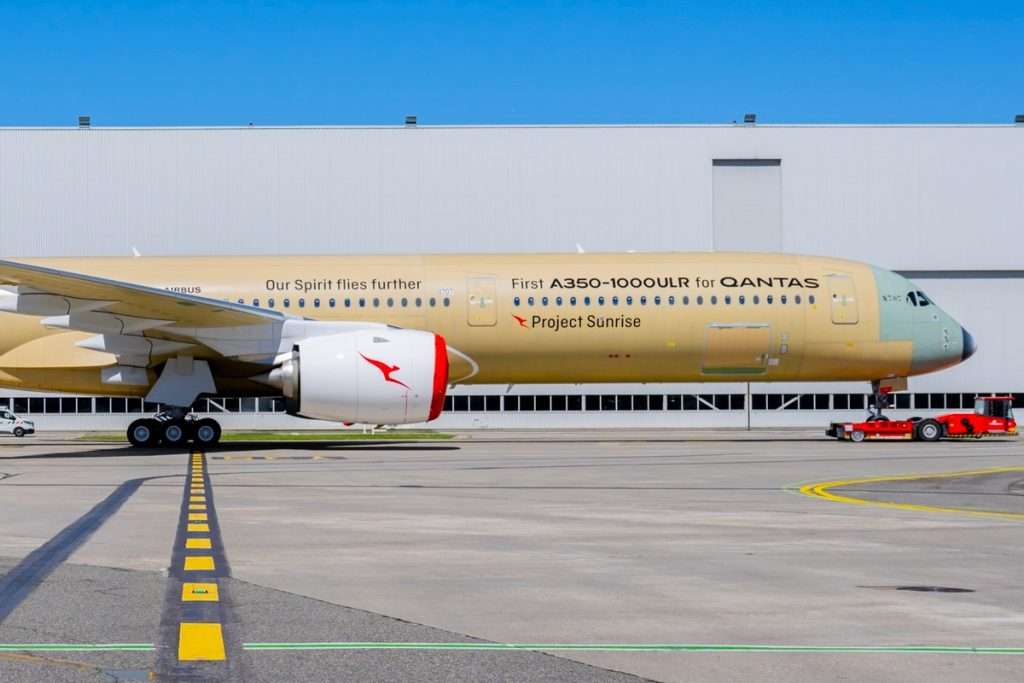
Project Sunrise isn’t ambitious for no good reason; the need to develop an all-new dedicated model to make these routes possible, obtain certification, train crews, secure slots, and ensure maximum passenger comfort hasn’t been easy.
The persistent delays and the timing of the mission, alongside the many supply chain complexities that have plagued the 2020s, have meant that the April 2027 delay has not been the first, second, or third encountered in the expected first delivery of the jet.
Ultimately, the aircraft is now airborne, and the second aircraft is in the advanced stages of final assembly and ready for rollout, showing tangible progress in the ongoing efforts to get the jet approved and certified. The launch time, unfortunately, remains highly subject to change, but all involved will be hoping April 2027 can be stuck to.
What Now For The First A350-1000ULR?
With the successful completion of the first flight test campaign for MSN707, the jet will now be retrofitted to Qantas’ commercial specifications to prepare it for flight.
The second A350-1000ULR, which has been a focus in recent months, is the first scheduled for delivery in April 2027. Airbus has confirmed the jet is about to be rolled out of the paint shop, and the completion of the premium four-class cabin layout and installation will then follow.
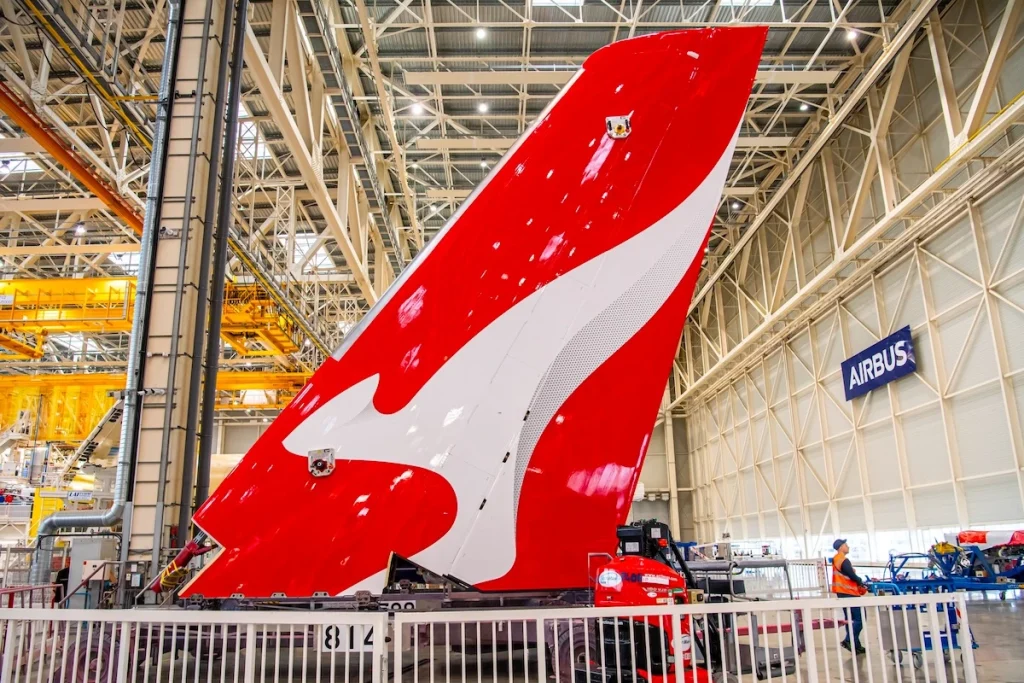
Progressively, Airbus continues to take strides in getting these planes ready, but that doesn’t guarantee an April 2027 delivery. As a result, the Australian flag-carrier on the other side of the world will watch patiently, while also being heavily involved, in the hope that 2027 will be the year when 20+ hour flights can finally be airborne.

ABOUT THE AUTHOR
Daniel Fowkes is a Melbourne-based aviation analyst and journalist with over a decade of industry experience. As founder of Dj’s Aviation, he delivers trusted analysis on aircraft, airline strategy and global aviation trends for djsaviation.net
Related Articles




Stay Informed
Get the latest aviation news, analysis and route updates delivered to your inbox.
We respect your privacy. Unsubscribe at any time.
Enjoyed this story?
Make us your go-to for aviation news
Add us as a preferred source on Google and see our latest stories first in Top Stories.
Add Us On Your News Feed