

Western Sydney International Airport has moved one step closer to having Gulf airlines such as Emirates, Qatar and Etihad serve the location after a new bilateral agreement was reached.
The shift in policy, which has been highly criticised and analysed, allows the trio of Gulf carriers to expand their footprint across Australia, with service opportunities to Western Sydney once it opens later this year.
It’s a move as much as a response, making the new airport more than just a cosmetic airport off the bat, and building the framework that allows international growth to continue away from Kingsford Smith, which is feeling capacity pressures.
What This Means For Emirates & More
This kind of move by Emirates, Etihad Airways, and Qatar Airways positions Western Sydney as a much more attractive location to serve, sooner rather than later, which, in essence, is the whole point.
Western Sydney finds itself positioned in an important catchment and pocket of New South Wales. This is a region expected to grow significantly in the coming decades, and with the new airport opening, it is naturally underserved for nonstop international service.
Additionally, the catchment Western Sydney is in is one where multiculturalism shines through. As a result, there are not just strong links to any one region but rather a diverse array of markets, with people from the Middle East, Asia, or Europe calling this part of the state home.

With this in mind, and with the airport also able to offer 24/7 operations, slot access becomes easier, and there are more opportunities for these airlines in the Gulf to expand their coverage across Australia without colliding at Kingsford Smith, where capacity is already tight.
The other attraction for these airlines, like Emirates, is simple. Western Sydney would act as an extension of their current Australian services but, importantly, enable growth in a new metropolitan location, rather than an extension of services to an already existing and saturated market, such as Kingsford or Melbourne Airport.
For Emirates, they’ve evolved their fleet mix away from just large widebodies like the 777-300ER and A380; it’s now jets like the Airbus A350 that enable more regional international flying at a lower price point, modest capacity turning secondary or emerging markets like Western Sydney into a viable option.
A Rule Change For These International Airlines?
Making all of this possible isn’t simply about these Gulf airlines launching services, but rather about a shift in how the Australian Government manages its air services arrangements with the Middle East, particularly Qatar and the UAE.
As part of the shift, which is heavily regulated to protect the flag carrier Qantas and prevent foreign air carriers from taking market share from Australian companies, there’s now a broader scope for passenger services every week, but with the catch that they must be through Western Sydney International.
The move, which would add up to seven flights a week, means Western Sydney has the upper hand in becoming a more viable and attractive option for Gulf carriers as they develop their Australian strategies.
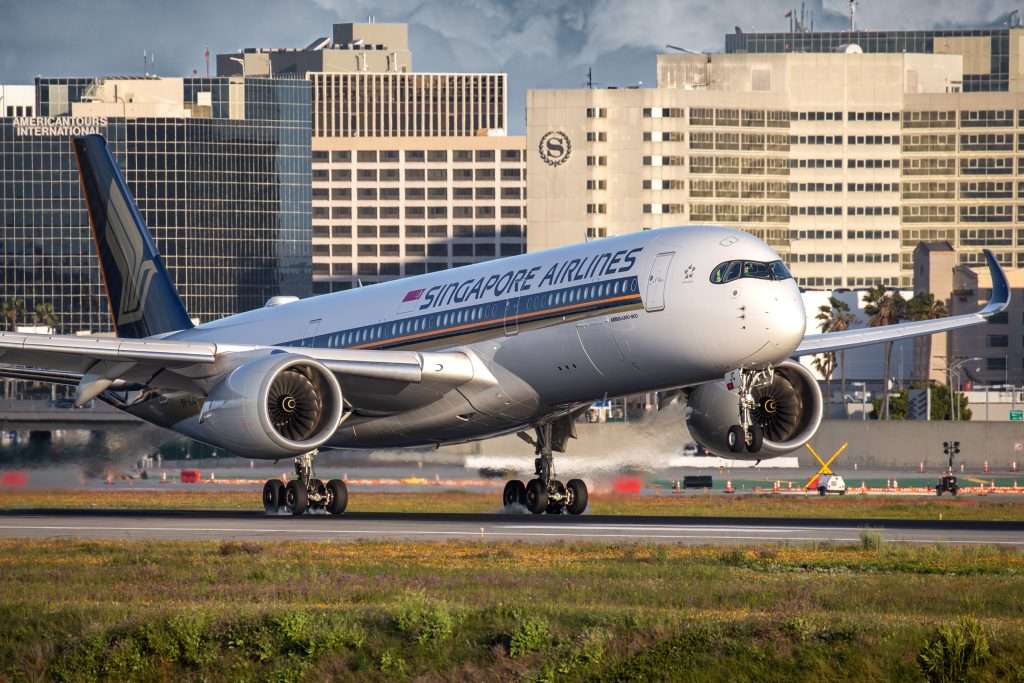
Western Sydney has already been able to attract Singapore Airlines and Air New Zealand, but taking the next step on an international front is important, as the airport isn’t intended to just be a domestic carrier, but one that can truly attract international airlines to relieve the pressure on Kingsford Smith while additionally providing options for a growing region.
Attracting Gulf carriers ten years down the line may have occurred, but if the airport wants to start with a bang and truly establish credibility with customers for an international presence, that would happen soon. If done, it would mean passengers wouldn’t be forced to wait years for that kind of connectivity to be made available.
It May Not Happen Right Away
Even with the relaxation of restrictions on foreign air carriers serving Australia, which opens the door for Western Sydney International Airport, it doesn’t guarantee that an airline like Emirates will immediately launch service at the airport’s opening.
What is still a risk for these Gulf carriers is ensuring genuine demand. Sure, WSI, as it’s known, will open with strong infrastructure, but it will also need passenger awareness, transport links, demand, and people generally choosing it over Kingsford Smith to make an international carrier break even on this type of route.
Some travellers, for quite an extended period, might prefer Kingsford Smith, be unaware of WSI, or be unwilling to make the trek. That means for these international airlines, even with easier access, the risks may outweigh the benefits needed to launch service.

ABOUT THE AUTHOR
Daniel Fowkes is a Melbourne-based aviation analyst and journalist with over a decade of industry experience. As founder of Dj’s Aviation, he delivers trusted analysis on aircraft, airline strategy and global aviation trends for djsaviation.net
Leave a Reply
Related Articles




Stay Informed
Get the latest aviation news, analysis and route updates delivered to your inbox.
We respect your privacy. Unsubscribe at any time.
Enjoyed this story?
Make us your go-to for aviation news
Add us as a preferred source on Google and see our latest stories first in Top Stories.
Add Us On Your News FeedRelated articles
· Airlines
Allegiant Air Buys Six More 737-8s From Boeing
Daniel Fowkes
26/10/2026
· Airlines
Emirates vs Qatar Airways: The Gulf Superhub Rivalry Compared
Bryan Shelmon
26/10/2026
· Airlines
Riyadh Air Is Moving Away From Riyadh
Daniel Fowkes
26/10/2026
· Airlines
Emirates Isn’t Worried At All
Daniel Fowkes
25/10/2026
When will major international airlines fly to Canberra, our nation’s capital…….
Author
Very fair point, when it can be justified.