

Air New Zealand has painted a further bleak picture of its financial results, with a full-year pre-tax loss expected to edge close to NZ$ 400 million for FY26.
The forecast comes amid not just what the flag-carrier describes as weaker-than-expected demand, but also soaring fuel prices that have weighed down the airline over the last 2-3 months and necessitated network shifts.
Furthermore, Air New Zealand, still years on from the commencement of the engine onslaught, finds itself with engine problems persisting that make the reliability of next-generation jets tasked with lifting the business fundamentally harder than ever before.
Air New Zealand Engine Problems Date Back To The 2010s
For Air New Zealand, the core issues that have plagued it for around a decade have shifted; some have persisted over the last 10 years in different forms, while others have come and gone, causing more volatile economic crises that affect its margins.
Air New Zealand’s engine woes date back to before the turn of the 2020s, when Rolls-Royce Trent 1000s installed in the airline’s Boeing 787 fleet, integral to long-haul connections, were put under scrutiny and grounded for inspections and repairs.
This then continued deep into the 2020s, when, instead of just the Boeing 787’s engines. After this, next-generation Airbus jets with their Pratt & Whitney GTF engines came under fire, prompting the grounding of single-aisle jets, a battle the business is still waging today, despite progress.
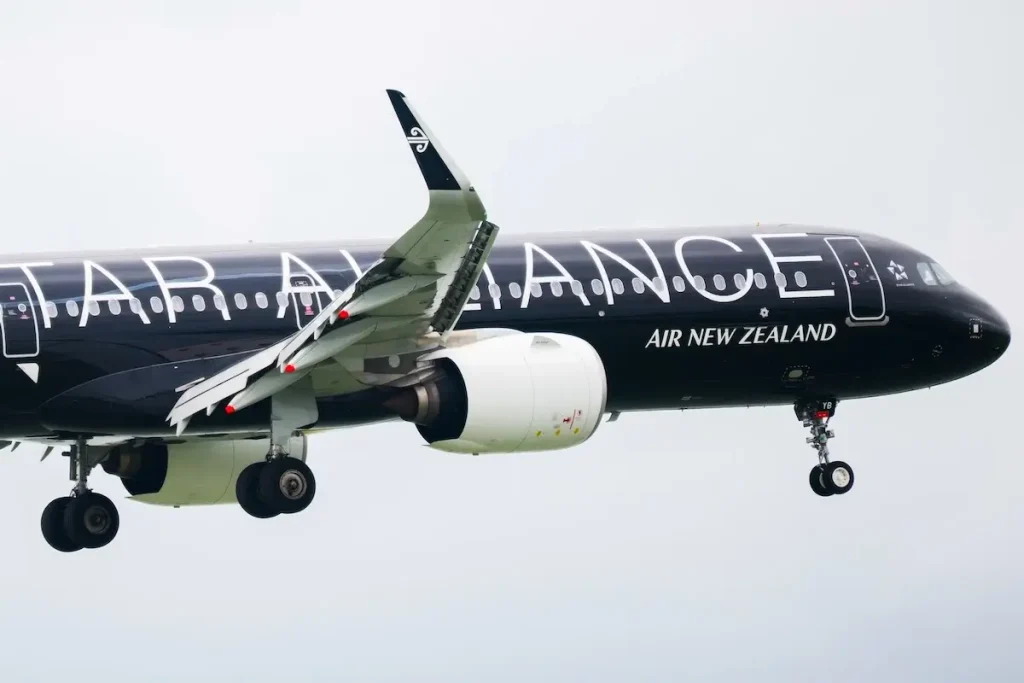
It has been these engine issues that have meant seeing robust earnings, but grounding aircraft has been impossible. With panes on the ground, the airline has had to turn down the short-lease avenue, which dramatically increases expenses to cover losses from parked planes and naturally limits growth opportunities.
Air New Zealand is heavily dependent on more than five of these efficient jets, which were tasked with replacing older planes, so having them grounded amid uncertainty about their return has made it hard for the airline to maintain its profitability.
Geopolitical Conflict Hurts FY2026
The outbreak of conflict in Iran and the surrounding areas, commencing on the final day of February 2026, has ultimately been, however, one of the primary driving factors as to why the loss for FY2026 continues to blow out in terms of forecasting from Air New Zealand.
That conflict, which is yet to reach an endpoint as of May 2026, has driven fuel prices dramatically higher than in the three months prior, at times seeing a doubling of cost, which has impacted the margins of many airlines and added hundreds of millions of new expenses that cannot be absorbed with radical changes.
For the business, the impact of these losses is clear: the strain being forced on it means that, instead of maintaining a growth mindset, a defensive strategy is in place.
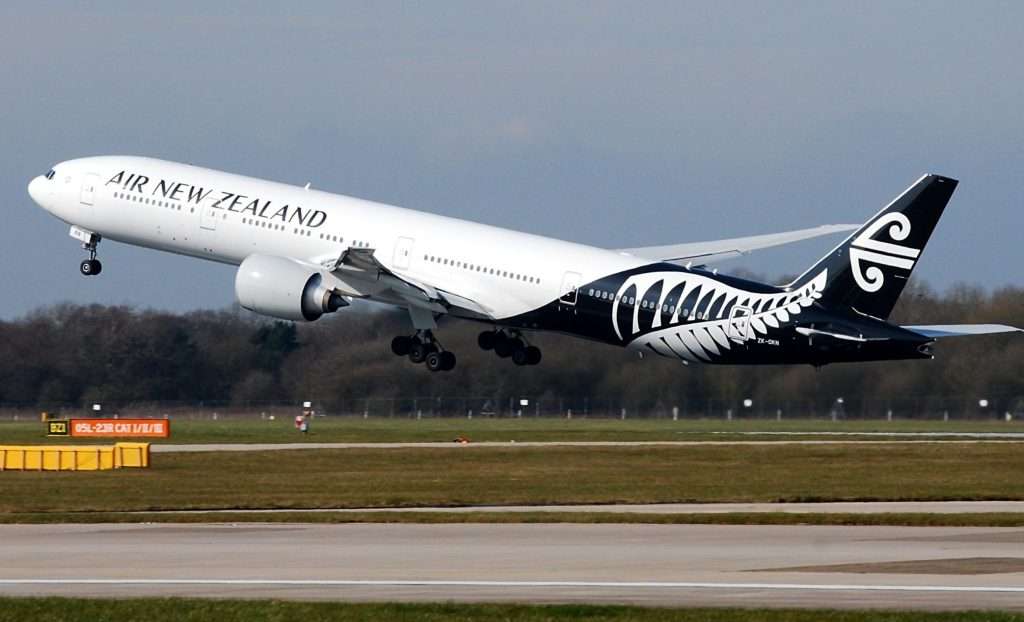
The airline has already initiated capacity constraints, with schedules being axed. In the months prior, the decision was made to scrap guidance for the remainder of the year, as tighter schedules and rostering, along with economic conditions, prevented the initial plan from being enacted.
For now, Air New Zealand has reaffirmed its stance that, while it’ll be ok, it has been given no choice but to prioritize reliability and cost control across the operation to combat the new economic storms affecting its long-term plans, which had been in place.

ABOUT THE AUTHOR
Daniel Fowkes is a Melbourne-based aviation analyst and journalist with over a decade of industry experience. As founder of Dj’s Aviation, he delivers trusted analysis on aircraft, airline strategy and global aviation trends for djsaviation.net
Related Articles




Stay Informed
Get the latest aviation news, analysis and route updates delivered to your inbox.
We respect your privacy. Unsubscribe at any time.
Enjoyed this story?
Make us your go-to for aviation news
Add us as a preferred source on Google and see our latest stories first in Top Stories.
Add Us On Your News FeedRelated articles
· Airlines
Allegiant Air Buys Six More 737-8s From Boeing
Daniel Fowkes
26/10/2026
· Airlines
Emirates vs Qatar Airways: The Gulf Superhub Rivalry Compared
Bryan Shelmon
26/10/2026
· Airlines
Riyadh Air Is Moving Away From Riyadh
Daniel Fowkes
26/10/2026
· Airlines
Emirates Isn’t Worried At All
Daniel Fowkes
25/10/2026