
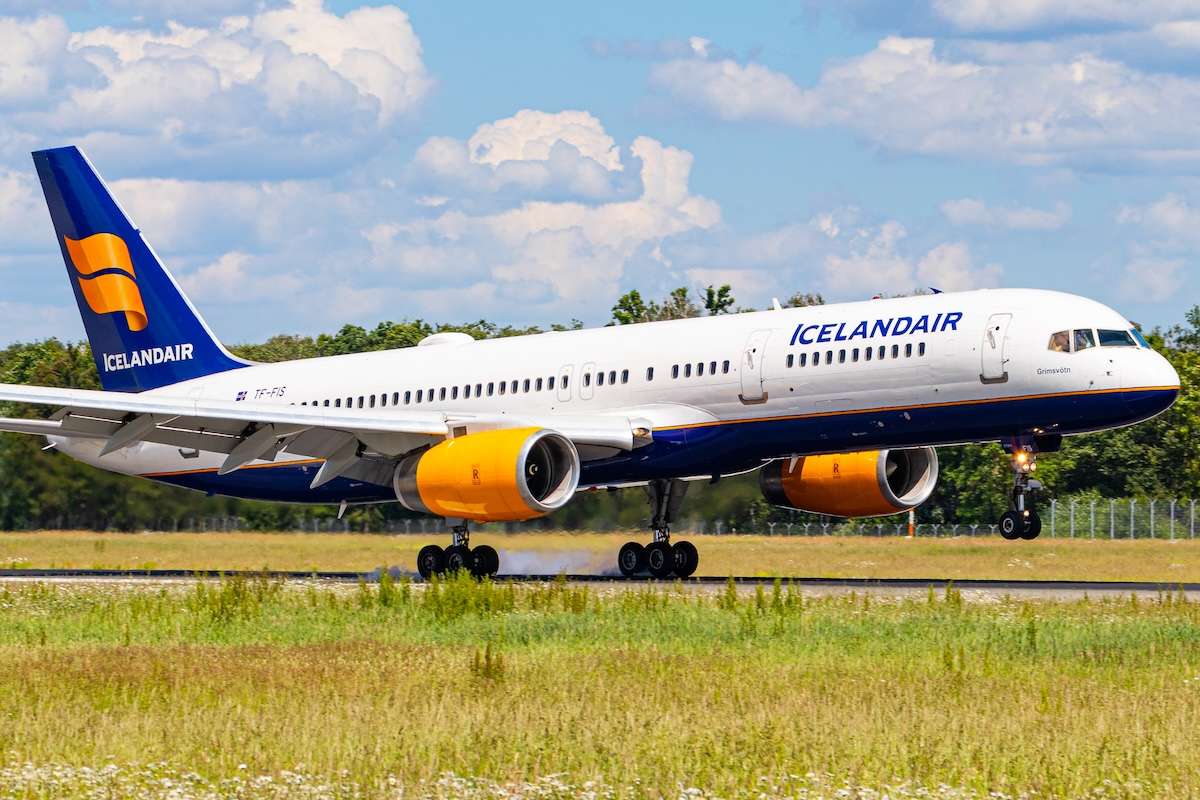
Icelandair is hinting at the accelerated retirement of its workhorse Boeing 757 and 767 fleets through its latest Q1 market update.
With mounting maintenance costs, challenges in engine performance, and rising fuel costs, the move industry-wide towards newer, more efficient aircraft has become an ever more pressing concern.
For Icelandair, it’s already in the midst of a transition to newer planes; however, that process could now be rapidly accelerated, leaving the business short on capacity while also limiting outgoings during volatile periods.
For the moment, a formal announcement regarding the direction of this fleet has yet to come; however, with the planes averaging 25 years old, the previously set end-of-decade retirement horizon could now be pushed further out.
Here’s What Icelandair Says
Icelandair says it is actively working to secure aircraft for 2027 and 2028, as part of efforts to continue growing the fleet, not just replacing aircraft such as the 757 and 767, which were already scheduled for retirement.
However, with market unrest continuing and volatility not calming down, Icelandair has flagged more immediate changes that may be needed to position the fleet more heavily on efficient aircraft such as the 737 MAX and A321LR jets, with the A321XLR to follow in the coming years, with the first delivery.

If market unrest continues, changes will come. Icelandair has said that its 767 fleet will be retired after the 2026 Christmas period, a process that could now be expedited. This is further supported by the base plan, which shows the 757 operating at a more limited capacity through the fall of 2027.
However, with fuel prices jumping and showing no signs of dropping, if this were to be sustained, Icelandair has also flagged that it could accelerate the retirement of the remaining 757 fleet as early as this fall.
In the Q1 market update, the business noted that 90% of international flights now operate on the MAX and A321LR platforms, delivering up to 30% better fuel efficiency, and that the international fleet was reduced by two aircraft this summer following planned retirements.
A Calculated Retirement For Icelandair
Icelandair’s possible accelerated push to retire its 757 and 767 fleets isn’t a shock; it’s a decision that airlines across the industry are grappling with, given the likelihood that fuel prices remain high and operating costs surge. It’s a need to remain stable and profitable, if possible, and to absorb higher fuel costs.
Economics of the 757 and 767 are not what they used to be, and with the next-generation aircraft such as the A321LR and 737 MAX fleets entering the Icelandair operation, it has become more than evident what these jets do for the bottom line, and the sizeable improvement.

A slower transition allows Icelandair to maintain capacity and take deliveries at the pace that works best for its model; however, when economic conditions spiral, harsh decisions must be made. These aircraft are expensive to operate and face ongoing global supply chain bottlenecks for parts and overhauls; this is a more pressing problem as feet, especially older ones, age.
Shop visits costs away from just the price of fuel have spiked lately, and every dollar on key trip costs by the airline matters, as leisure demand softens at times of the year, and specific routes’ margins shrink. Then, when factoring in Icelandair’s competition and disadvantages stemming from its geographic positioning and model, it must do everything to battle the headwinds.
A New Era Comes Quicker Than Expected
Phasing out these jets sooner allows Icelandair to advance its broader fleet modernization push. The airline has already committed to the A321neo, including the A321XLR to be delivered in 2029, and potential further orders to replace older jets and enable growth.
While the 757 and 767 have been vital to Icelandair’s structure for decades, the page has turned. Now, the airline recognises that change must come, and the new era aims to balance the traits of these Boeing planes, but with fresh flexibility and efficiency.

If executed correctly and already visible to the airline in performance reports, transatlantic hops and European routes have become more viable for the business by leveraging newer jets.
Retirements will also free up capacity for growth in other sectors when conditions stabilise, which is key to Icelandair’s future, whether in sustainable fuels, cabins or network development.

ABOUT THE AUTHOR
Daniel Fowkes is a Melbourne-based aviation analyst and journalist with over a decade of industry experience. As founder of Dj’s Aviation, he delivers trusted analysis on aircraft, airline strategy and global aviation trends for djsaviation.net
Related Articles




Stay Informed
Get the latest aviation news, analysis and route updates delivered to your inbox.
We respect your privacy. Unsubscribe at any time.
Enjoyed this story?
Make us your go-to for aviation news
Add us as a preferred source on Google and see our latest stories first in Top Stories.
Add Us On Your News Feed