

It’s the end of an era for Icelandair, with Boeing widebody operations to cease by the end of 2026.
The carrier has confirmed that by the end of 2026, widebody operations will no longer take place due to the earlier-than-expected retirement of existing aircraft.
As part of ongoing efforts to restructure the business and operate more efficiently, the airline will retire its Boeing 767-300s.
Fleet data shows that Icelandair has three Boeing 767-300s remaining, with an average age of 26.8 years. These planes have therefore been present for quite some time across the business; however, their time in service is understandable and is coming to an end.
Confirmation of the airline’s decision came alongside its third-quarter results, which showed a substantial drop in net profit from the previous year.
It was only in May that Icelandair announced it would farewell its Boeing 767 fleet by the end of the decade, with the fall of 2029 as the expected retirement date for the final unit.
While these larger planes offer Icelandair greater capacity, they are ultimately behind the incoming 737 MAX and A321neo family jets, which bring greater efficiency and benefits to the network on a day-to-day basis.
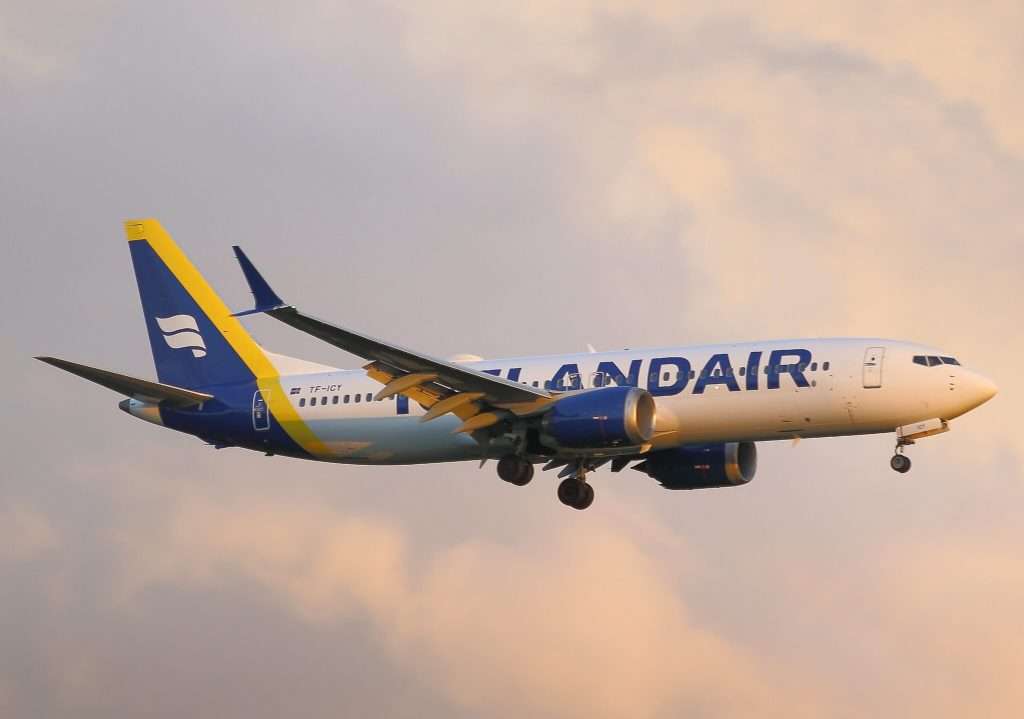
The transition towards these single-aisle jets has already been underway, with the airline’s reliance on them increasing by the month, with the A320neo and 737 MAX family at the heart of this transition.
Once the 767s retire, it’ll represent a pivotal shift for the airline as it looks to leverage Iceland’s geographic positioning to utilise more efficient, longer-range narrowbodies to reach specific markets.
Icelandair’s Boeing 757 Retirement
Confirmation that the 767 fleet will be retired sooner rather than later comes during a period when the 757’s presence in the airline’s business is also dramatically declining.
A confirmed purchase of the Airbus A321XLR all but indicated that this will be the definitive replacement for the 757 program, enabling the renewal to take place at the end of the decade.
The XLR will give Icelandair greater range flexibility and enable more efficient route operations than the 757. Moreover, there are new opportunities to serve international markets that were previously unprofitable or inaccessible.

So, while the XLR may lack capacity, it is still seen as the true successor to the 757, and when that Boeing jet, alongside the 757, is retired, a new era will commence for the carrier.
Only at the end of September did Icelandair say goodbye to TF-FIR, the jet featuring the full-body livery named Vatnajökull and a favourite among many thanks to its light blues and glacier theme.
Additionally, Icelandair has now said goodbye to the Hekla Aurora livery on the 757, with this unit retired only in the last couple of weeks, highlighting the speed of the ongoing transition at the carrier.
The A321XLRs’ arrival is still some time away, pending no delays. Icelandair is scheduled to take on the jet in 2029. Between this and the A321LR, the airline will have better range across its aircraft, which can offer more push across the network. This is particularly evident in its transatlantic network.

All these airlines will focus on returning to sustainable profitability in 2026 and on mitigating rising costs, which have been evident in higher wages and other inflationary pressures.

ABOUT THE AUTHOR
Daniel Fowkes is a Melbourne-based aviation analyst and journalist with over a decade of industry experience. As founder of Dj’s Aviation, he delivers trusted analysis on aircraft, airline strategy and global aviation trends for djsaviation.net
Related Articles




Stay Informed
Get the latest aviation news, analysis and route updates delivered to your inbox.
We respect your privacy. Unsubscribe at any time.
Enjoyed this story?
Make us your go-to for aviation news
Add us as a preferred source on Google and see our latest stories first in Top Stories.
Add Us On Your News Feed