
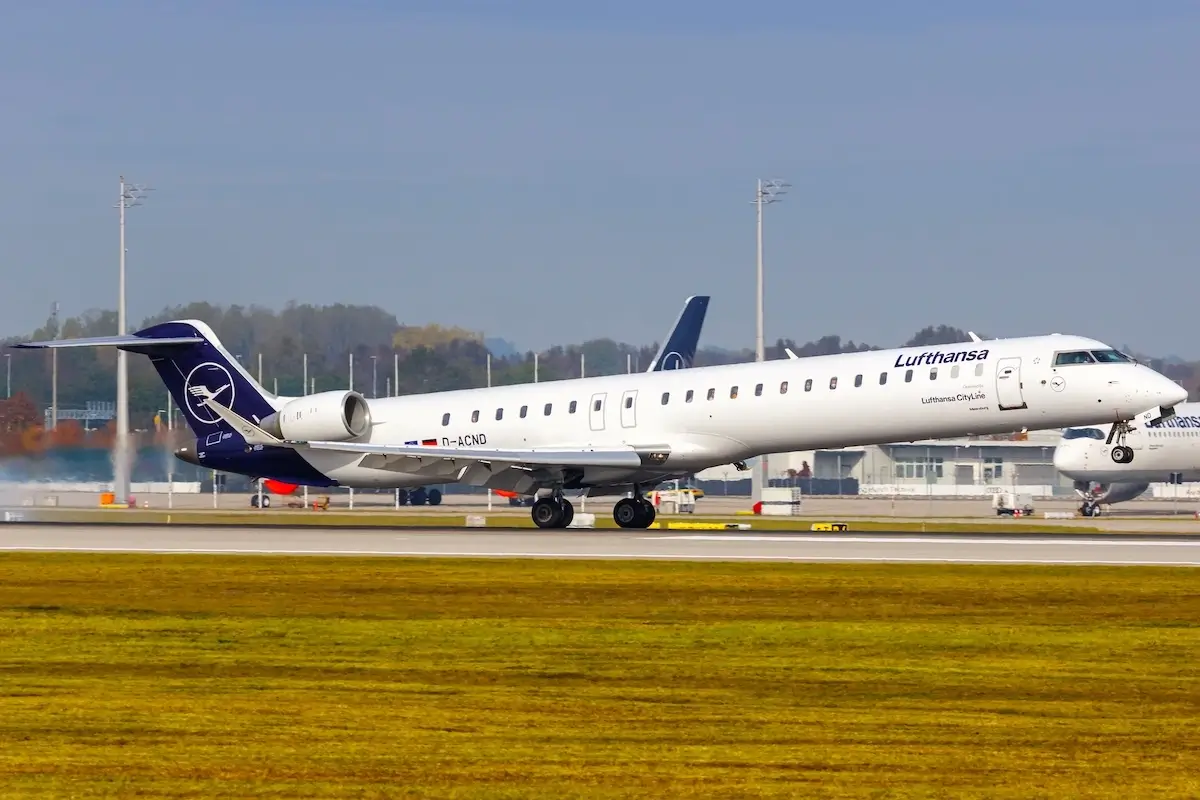
Lufthansa CityLine, a key regional subsidiary of the German flag carrier, will suspend operations starting this Saturday, with all of its operational aircraft grounded.
With operating conditions worsening and Lufthansa amid a comprehensive turnaround, the airline’s cost-cutting measures are intensifying, and CityLine is next on the chopping block.
But what ultimately led to the demise of the Lufthansa CityLine operation, and is it part of a broader shift in how the German carrier operates domestically and internationally?
Surging Costs Damage The Bottom Line
Jet fuel prices, which were already straining many businesses’ bottom lines, have more than doubled pre-Iran war levels, hitting European airlines hard with possible shortages and higher acquisition costs.
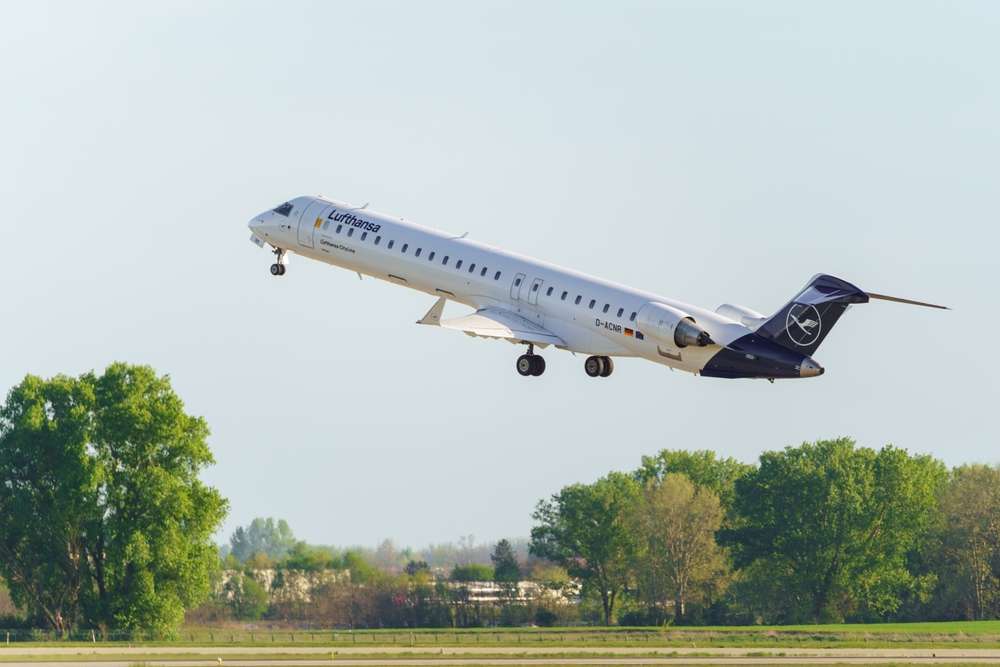
Lufthansa CityLine operates with CRJ aircraft, among others. While critical to the airline’s operations for years, the average age of the fleet remains high, creating a costly scenario for the business and worsening margins as operating costs surge.
Despite the broader Group’s strong revenues, this doesn’t always translate to strong performance across all divisions; regional operations typically bleed cash, and with higher oil prices pushing carriers into emergency mode, harsh decisions have to be made.
Pre-2026, Lufthansa eyed a 30% fuel saving on new-gen aircraft with a view to renewing over 200 aircraft. However, geopolitical shocks have hit airlines, forcing more immediate capacity cuts.
Maintenance of the CRJ fleet only increases vulnerability when a part’s market value is high. The decision by Lufthansa to end CityLine responds to the fuel-guzzling older planes and attempts to realign with a corporate strategy in the midst of implementation.
Labor Disputes: Breaking Point
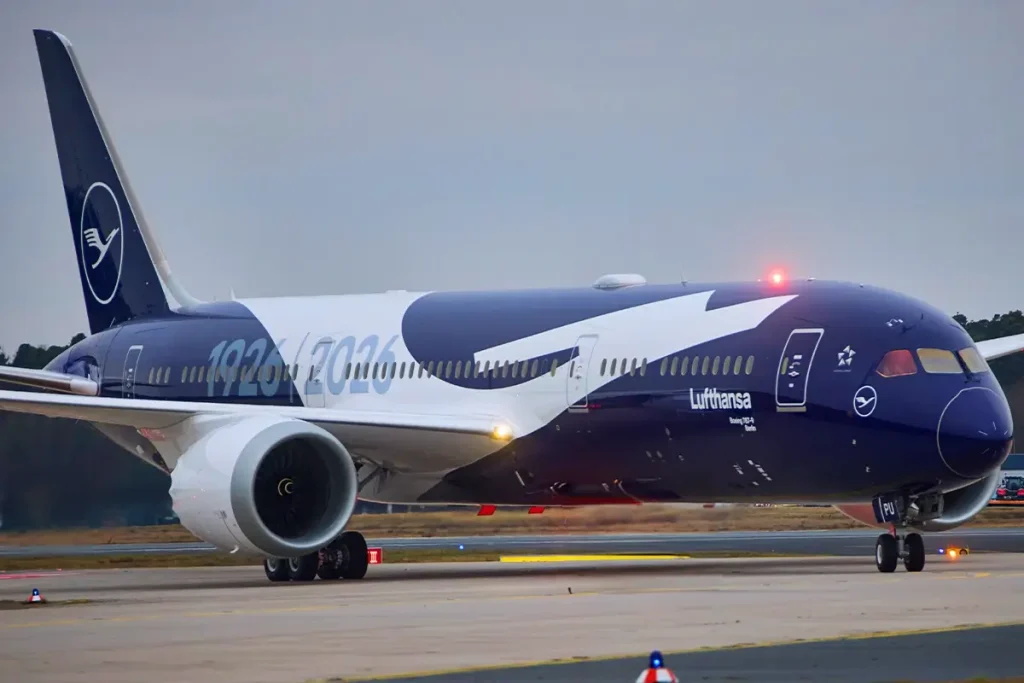
Away from geopolitical tensions, persistent pilot and cabin strikes over the last month have profoundly hurt operations at the German flag carrier and, during the 100-year celebrations, cast a dark cloud over operations.
With groundings persisting of aircraft due to the disputes between unions, such as Lufthansa and pilot union Vereinigung Cockpit, with a failure to agree on negotiation terms, this has been further hardened by cabin crew also working off the job, a breaking point scenario for a business that has been through employee discontent for years.
As each strike and dispute with an employee Group reaches its conclusion, a new deal is signed. These deals always include better terms and thus raise costs for Lufthansa, with employee payments representing one of its fastest-growing operating costs in recent years.
For avenues like Lufthansa CityLine, the dramatic shift in costs spurred on by strike action makes razor-thin margins tough to sustain, let alone soaring costs near impossible to absorb, and for an airline attempting to reshape its operations, not viable to continue flying.
A Network-Wide Shuffle Of Fleet
Lufthansa’s decision to axe CityLine with immediate effect isn’t a solo effort; post-summer 2026, Lufthansa intends to move forward with further shifts in its business, which includes the retirement of its final four Airbus A340-600s with first class in October.
Simultaneously, two Boeing 747-400s will be grounded through the winter, and by 2027, the entire fleet of 747-400s will be removed from service, a move coming nearly seven years after they were grounded during the COVID-19 pandemic and earmarked for immediate retirement then before a limited resurgence due to the delayed arrival of new jets.

The overhaul of the fleet will see Lufthansa boost the share of next-generation aircraft in its business and slash maintenance costs by 20-30%, as costs soar with older aircraft; it will also lead to more streamlined training procedures and greater productivity across the business.
The Impact Of The Shutdown
Lufthansa CityLine’s shutdown was always on the cards; it had previously been revealed that this division was planning to be shut down from 2027 to make way for more efficient aircraft and the new feeder in Lufthansa City Airlines.
What this means is that while the shutdown will more immediately ground aircraft and cancel flights across key regional routes such as Munich-Prague, Munich-Marseille, the long-term gains viewed by Lufthansa of this and specifically the Group CEO Carsten Sphor’s, are clear and in direct response to some of its long-winded problems.
For too long, the Group has battled employees heading into strike action, and the cost structure is taking a beating. For the airline, the ability to shut down one subsidiary and start another has been a common theme. The timing of the CityLine shutdown is now a direct consequence of several pressure points.
In the interim, flight cancellations will continue; Lufthansa will be forced to deal with the disruptions affecting many; and 2 aircraft will be grounded, essentially overnight. For a damaged brand like Lufthansa attempting to be rebuilt, this brand-wise is a step in the wrong direction.
Bottom Line: Streamlining Remains Key
Lufthansa’s CityLine shutdown is part of a broader, comprehensive restructuring plan for 2026, with the axing of loss-making jets in response to jet fuel prices doubling and relentless pilots’ strikes.
While the closure of CityLine was already on the cards for 2027, the early closure of this base will wreak havoc on the airline’s operations in the short term, with booking cancellations and further brand damage, something the airline is attempting to avoid.
However, the shutdown follows an effort to move towards a leaner and more modern aircraft portfolio, with a target of 60% new-generation jets by 2030. This removal of inefficient planes like the CRJ is a step in the right direction, but the timing, while neccesary will hurt the airline from the standpoint of its loyal customers.
In terms of the airlines’ turnaround efforts, it’s part of a larger strategy that executives hope will combat volatility, union frustrations, and surging costs to ensure the German flag carrier is sustainable in the future, leaner and more competitive.

ABOUT THE AUTHOR
Daniel Fowkes is a Melbourne-based aviation analyst and journalist with over a decade of industry experience. As founder of Dj’s Aviation, he delivers trusted analysis on aircraft, airline strategy and global aviation trends for djsaviation.net
Related Articles




Stay Informed
Get the latest aviation news, analysis and route updates delivered to your inbox.
We respect your privacy. Unsubscribe at any time.
Enjoyed this story?
Make us your go-to for aviation news
Add us as a preferred source on Google and see our latest stories first in Top Stories.
Add Us On Your News FeedRelated articles
· Airlines
Allegiant Air Buys Six More 737-8s From Boeing
Daniel Fowkes
26/10/2026
· Airlines
Emirates vs Qatar Airways: The Gulf Superhub Rivalry Compared
Bryan Shelmon
26/10/2026
· Airlines
Riyadh Air Is Moving Away From Riyadh
Daniel Fowkes
26/10/2026
· Airlines
Emirates Isn’t Worried At All
Daniel Fowkes
25/10/2026