
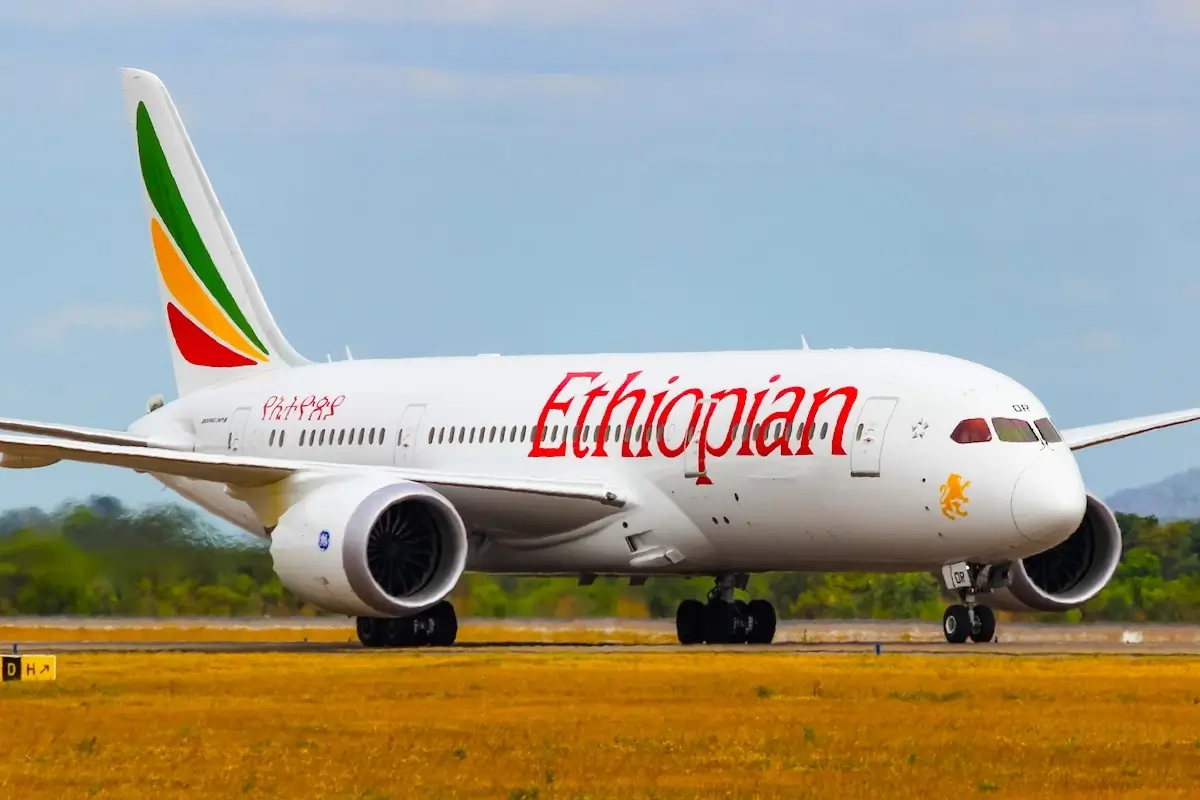
Ethiopian Airlines is targeting a fleet of 350 aircraft by 2040, as part of a broader Vision strategy that a new mega airport will accompany.
The strategy aims to position Ethiopian Airlines as the business that takes Africa forward and to cement Addis Ababa as a primary international aviation hub and connector for nearby traffic.
The airline currently operates a fleet of over 100 aircraft; however, to achieve the target of 350, the backlog of future commercial aircraft will need to increase.
With jets such as the Airbus A350, Boeing 787, 737 MAX, and 777X all on order, these are central to expansion across a host of markets, but the order book will need to grow to account for fleet replacement efforts.
Ethiopian’s new, very public goal of reaching 350 aircraft will require an effective blueprint and be within reach, even with the obstacles that will stand in the airline’s way. There’s strong optimism that this will be something attainable across the next 14 years.
The New Mega Bishoftu
At the heart of the airline’s strategy is the key $12.5 billion Bishoftu International mega airport, on which Erioian has broken ground, set to be the largest airport in Africa and a new dedicated hub for Ethiopian Airlines.
In the early phases, the airport will handle around 60 million passengers annually. Still, with long-term build-up capacity that can be realised, it can reach an annual passenger target far exceeding 100 million and accommodate more than 270 aircraft on the apron, too.

The scale of this airport is very indicative of the airline’s ambitions, with a view to this becoming the principal gateway not just for intra-African traffic but also for bringing Africa closer to the world.
Ethiopian Airlines already serves more than 140 destinations across key markets, but the current capacity at Addis Ababa Bole Airport often constrains its network.
With Bishoftu set to open in the early stages of the next decade, Ethiopian Airlines can comfortably begin planning for a fleet exceeding 300 jets. This comes knowing the airport enables more planes, more frequent flights, and a regional traffic feed, among many other factors that create a cohesive experience for the brand.
Next Generation Aircraft and Target Markets
Ethiopian’s fleet growth logic is built around the continued acquisition of next-generation aircraft, whether single-aisle or widebody. The long-range jets, especially, however, are expected to form the backbone of the ambition to bring Africa to the world.
Whether it’s the existing Boeing 787 and Airbus A350 jets, with many on order, or the upcoming Boeing 777X flagship, these jets will enable expansion and capacity ramp-ups at airports around the world. They will likely see their own total order tally jump over time.
The aircraft ultimately offers lower fuel burn and emissions per seat than the older models it replaces. If Ethiopia is to follow through on its ambitions, these will ultimately be crucial to the business so it can rival hubs like Dubai, Doha and Istanbul.
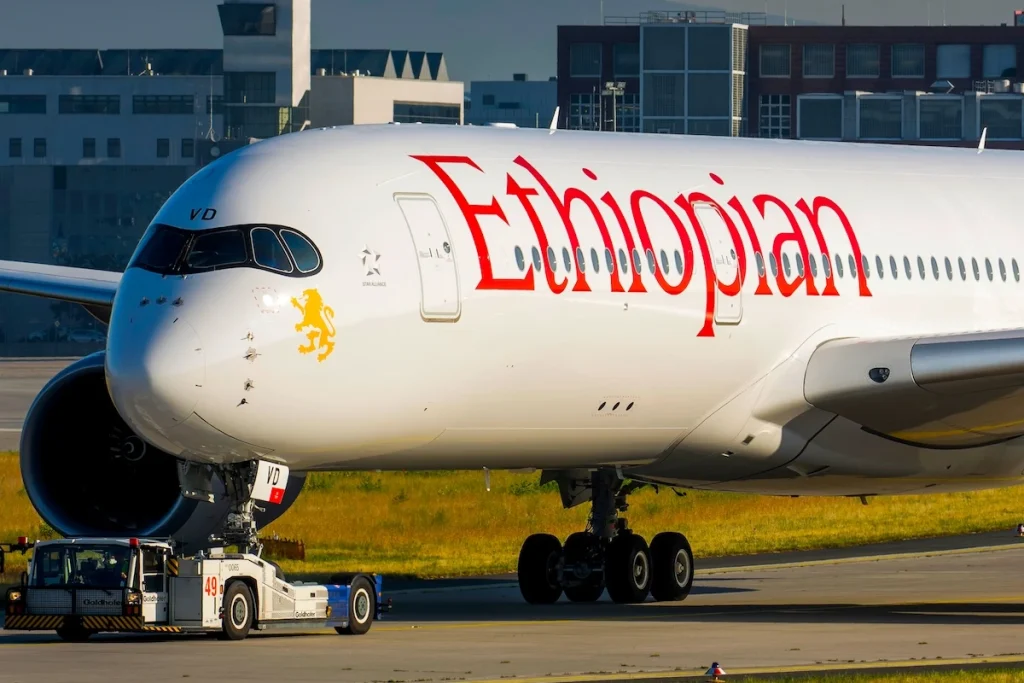
Creating an identity beyond the fleet is also important. The airline wants to push into high-value international corridors with the planned launch of service to Australia in 2028. A key pathway to this launch is delivery timelines and economic conditions; it is a huge move for the business once airborne.
Australasia, however, is not just an isolated target; it’s part of a broader push by the business to expand its presence to more destinations in the United States, Europe, Southeast Asia, and, obviously, Australasia, which have long lacked connectivity to Africa.

ABOUT THE AUTHOR
Daniel Fowkes is a Melbourne-based aviation analyst and journalist with over a decade of industry experience. As founder of Dj’s Aviation, he delivers trusted analysis on aircraft, airline strategy and global aviation trends for djsaviation.net
Related Articles




Stay Informed
Get the latest aviation news, analysis and route updates delivered to your inbox.
We respect your privacy. Unsubscribe at any time.
Enjoyed this story?
Make us your go-to for aviation news
Add us as a preferred source on Google and see our latest stories first in Top Stories.
Add Us On Your News FeedRelated articles
· Airlines
Allegiant Air Buys Six More 737-8s From Boeing
Daniel Fowkes
26/10/2026
· Airlines
Emirates vs Qatar Airways: The Gulf Superhub Rivalry Compared
Bryan Shelmon
26/10/2026
· Airlines
Riyadh Air Is Moving Away From Riyadh
Daniel Fowkes
26/10/2026
· Airlines
Emirates Isn’t Worried At All
Daniel Fowkes
25/10/2026