
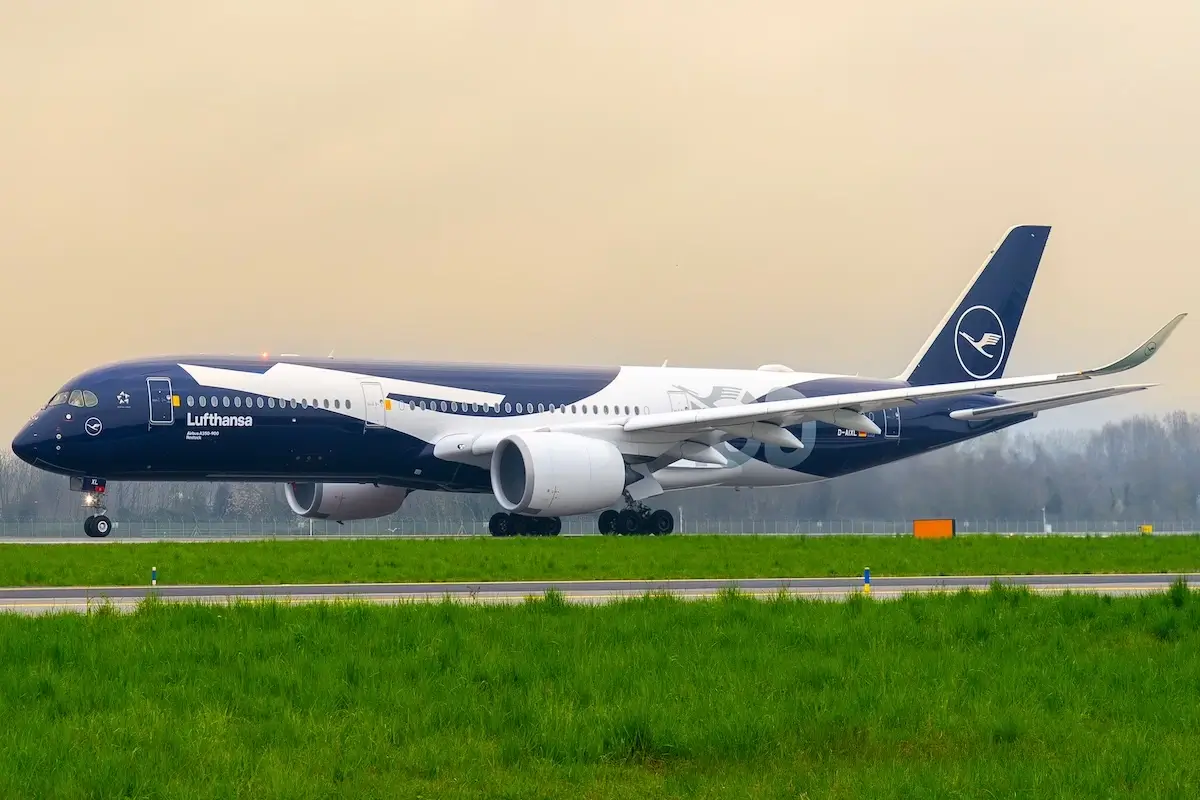
Lufthansa is adding capacity to India this summer with a mix of extra frequencies balanced with established routes and widebody aircraft.
The airline’s moves are among the best attempts to match long-haul demand and utilise assets to offer more seats from Frankfurt and Munich, whether for leisure or business travel.
Lufthansa’s Changes To India
As flagged by aeroroutes.com and visible through the latest schedule changes, there’ll be a focus on three routes from Frankfurt to India and one from Munich, which, across the Northern Summer 2026 season, will see an increase.
Firstly, the Frankfurt-to-Chennai flight from 24 April through 31 May will increase from 5 flights a week to 7, resulting in daily service, operated by the aging Airbus A340-300.
Frankfurt will also see service to Delhi increase, with the airline planning to expand from 2 June through 30 June to daily service, up from the previous 5 flights a week and a reversal of expectations.

The final schedule refinement from Frankfurt will be from 5 May through to 26 June. The number of flights to Hyderabad will increase from 5 to 6 per week, and they will be operated by Boeing 787-9 aircraft.
Munich and Bangalore will represent the more complicated city-pairing adjustments, with frequency continuities adjusted during the Northern Summer schedule, but with all flights to be operated by the Airbus A350-900.
Firstly, from 4 May through 25 May, the airline will increase the 5 weekly flights to 6; however, from 30 May through 15 June, the service will reduce to a 5th weekly flight, which was previously expected to drop to 4.
Then, from 16 June through 24 October, the airline will once again commit to offering 6 weekly flights between the two locations to meet increasing demand for service to more cities across India.
What This Means For India & Lufthansa
The additions across the airline’s network to India are part of a commitment to give travellers not only more choice but also a firmer, more resilient schedule during the peak summer period.
The additional frequencies, especially for corporate travellers, are going to improve day-to-day flexibility and support onward travel either to North America or deeper into Europe, where connections and thus the timing of inbound flights are important.
From a leisure standpoint, having more flights increases overall seat inventory and positions Lufthansa better to serve its Frankfurt and Munich hubs to India, and on return, for those choosing to visit, return home, or visit family and friends.

The timing is also important; for Lufthansa Group, it continues to find ways to scale its operations despite ongoing uncertainty about fuel prices and volatility in the Middle East.
The Northern Summer 2026 schedule has been carefully curated not only to accommodate the short-term rise in business travel but also to meet demand in other sectors, notably by adding more flights than before. India becomes one of the clearer beneficiaries from these changes and shows the increased importance it has in the network.
Virgin Atlantic similarly made changes to its own route network for the Northern Summer 2026 season, like British Airways, in response to the outstanding growth witnessed in recent years and projected to continue into the foreseeable future.
Lufthansa Bets Big On Widebodies
Lufthansa’s services, which are undergoing refinements, will all be served by widebody aircraft, which not only offer strong capacity and premium opportunities but also cargo capabilities compared to alternatives.
Whether it’s the Airbus A340-300, despite its age, the Boeing 787-9, or even the A350-900, these aircraft are fundamentally well-suited to these dense long-haul routes, and the additional flight ensures more seats are available.
As part of ongoing efforts to turn the business around, Lufthansa Group has invested heavily in new aircraft to be deployed group-wide, including at the mainline Lufthansa, with the goal not just of renewing with more efficient planes but, more than ever, of pursuing growth targets.
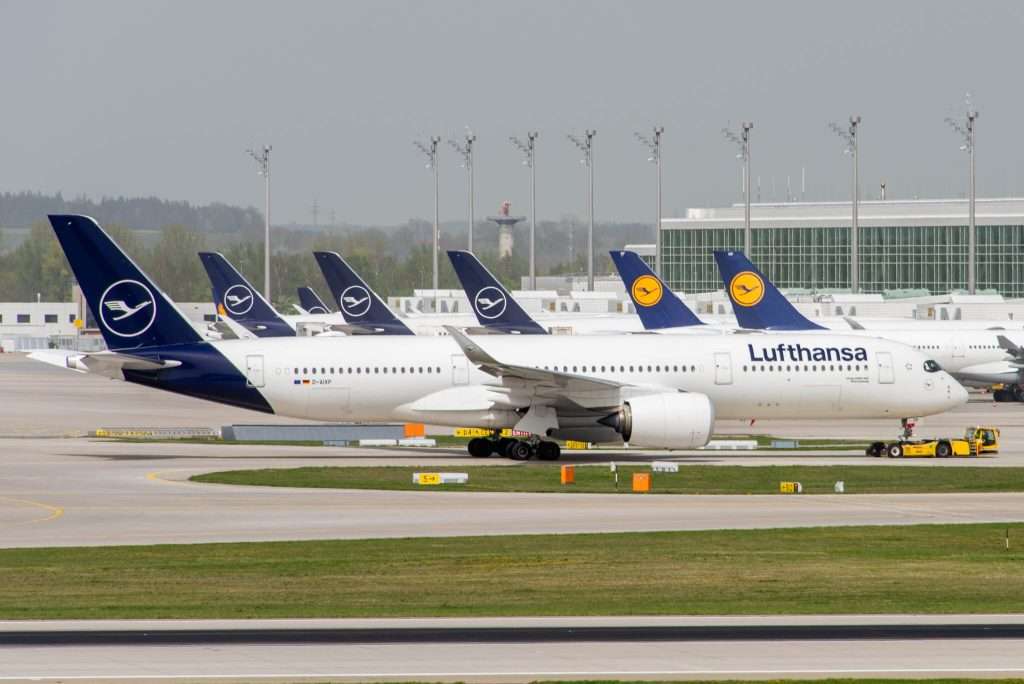
The flexibility within the Group to serve demand with different airliners and aircraft is key, especially the interchange capabilities, such as ITA Airways’ current pursuit of more A350s from the backlog to evolve its own route map. This is a strategic decision that would lead Lufthansa to pursue expansion that benefits the airline and itself as well.

ABOUT THE AUTHOR
Daniel Fowkes is a Melbourne-based aviation analyst and journalist with over a decade of industry experience. As founder of Dj’s Aviation, he delivers trusted analysis on aircraft, airline strategy and global aviation trends for djsaviation.net
Related Articles




Stay Informed
Get the latest aviation news, analysis and route updates delivered to your inbox.
We respect your privacy. Unsubscribe at any time.
Enjoyed this story?
Make us your go-to for aviation news
Add us as a preferred source on Google and see our latest stories first in Top Stories.
Add Us On Your News FeedRelated articles
· Airlines
Allegiant Air Buys Six More 737-8s From Boeing
Daniel Fowkes
26/10/2026
· Airlines
Emirates vs Qatar Airways: The Gulf Superhub Rivalry Compared
Bryan Shelmon
26/10/2026
· Airlines
Riyadh Air Is Moving Away From Riyadh
Daniel Fowkes
26/10/2026
· Airlines
Emirates Isn’t Worried At All
Daniel Fowkes
25/10/2026