
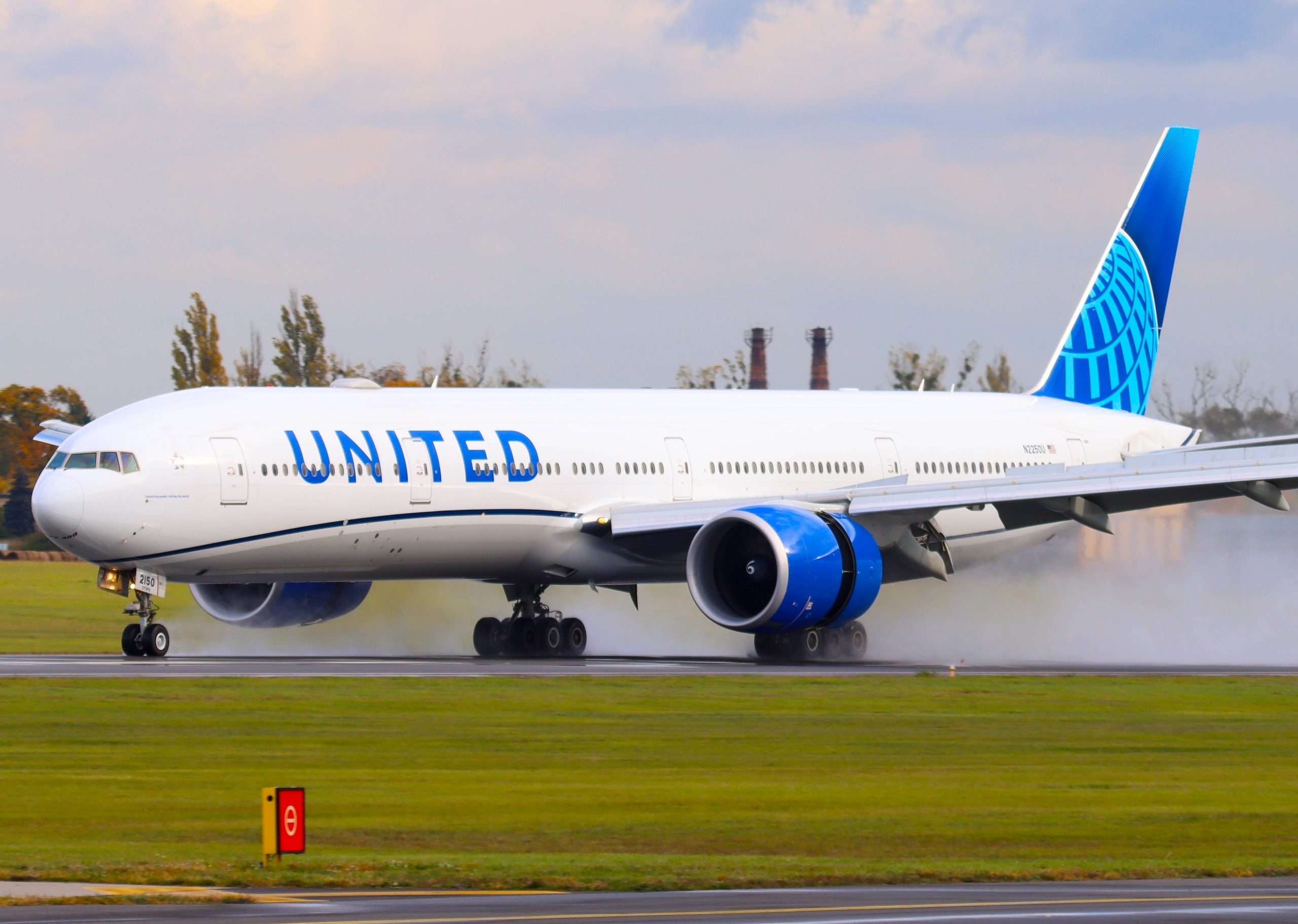
United Airlines has announced that it will slash approxiamtely 5% of its scheduled flights across the second and third quarters of 2026.
The airline aims to target those routes that are temporarily unprofitable to somehow counter the skyrocketing jet fuel prices that have been triggered by the escalating US-Israeli conflict over Iran and subsequent retaliatory strikes impacting the Middle East.
In an internal memo, CEO Scott Kirby said the decision came after warnings emerged about the price of fuel if sustained at $175 per barrel of oil.
These sheer costs would add more than $11 billion annually to fuel costs alone, erasing any existing profits and threatening long-term financial stability.
As part of the sweeping changes, red-eye overnights and midweek services, those on Tuesdays and Wednesdays and even Saturdays, paired with low-demand routes, will be the first to go.
United Airlines is also aiming to slash its capacity out of Chicago O’Hare by 1%. The hope is that the full schedules will be restored by fall, but this is based solely on the assumption that stabilisation occurs.
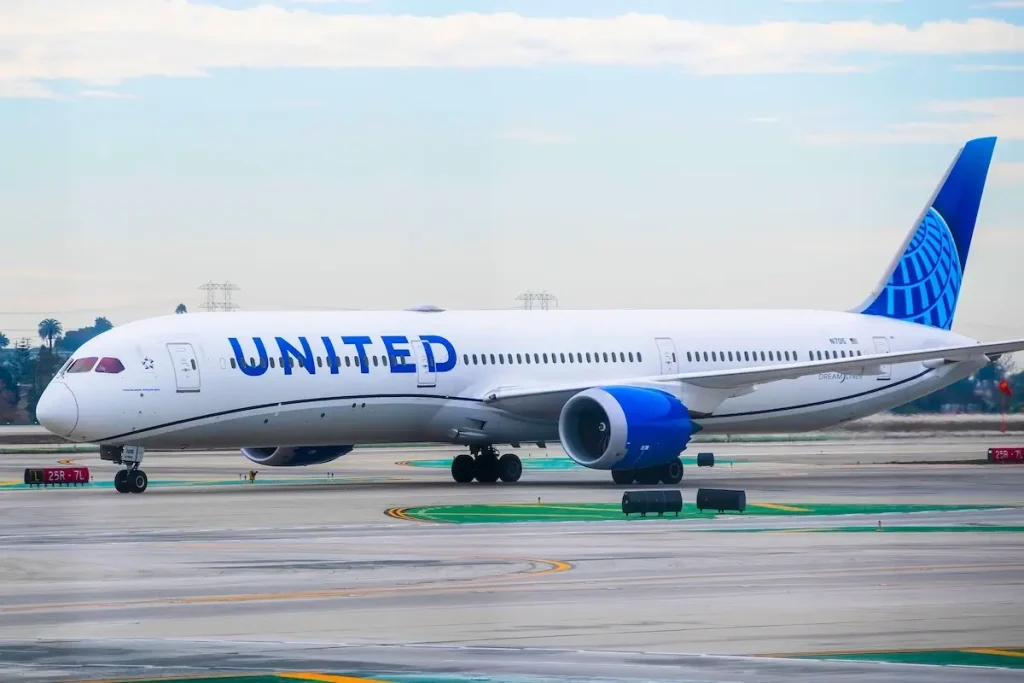
All this comes as the airline also expects delivery of new aircraft, not just purchased for renewal but for growth, which is at threat if the conflict in the Middle East continues for weeks and months to come.
Why Is This Happening Now?
The cut from United Airlines stems directly from the Middle East war and the ripple effects felt in global energy markets. Since late February, strikes on Iran have led to a surge in jet fuel prices of over 100% in recent weeks, with tens of thousands of flights cancelled.
Those flight cancellations, spurred by airspace closures and missiles that have landed near airports, mean that safe transportation cannot be guaranteed and must be suspended until safety can be assured. This has been a direct reason why the likes of Emirates have suspended their operations from Dubai time and time again.
United Airlines’ Kirby describes what is ongoing as cataclysmic and something that, from a cost standpoint, airlines cannot simply absorb without radical action, since fuel would account for nearly half of operating expenses if it continues.

This ongoing conflict echoes past shocks, such as the US Government shutdown and the pandemic, and it poses a new challenge for airlines to overcome, adding to the long list of challenges throughout the 2020s.
However, with the duration of the conflict uncertain, airlines cannot make radical decisions but must act where required to preserve themselves as a business during these challenging times, simply hoping for the best in a situation largely beyond their control.
What sets this apart from previous periods that have impacted airlines’ operations is that demand persists and new deliveries are forecast; if this continues, these would be put further at risk in a market already struggling with pressure to maintain positive yields on services.
What Does This Mean For United and Travellers
For United Airlines, the 5% trim, roughly equivalent to 3% off-peak, safeguards its balance sheet and enables cash-reserve investments to continue without panic measures that may come down the line.
Additionally, it’s a move that aims to prioritise domestic and hubs that deliver high yields; however, it does have implications for customers if the conflict is sustained, as this would dramatically impact air services.
Travellers now face fewer options, especially for red-eye flights or niche routes, without the headaches of rebookings amid peak summer demand, which is to be expected.
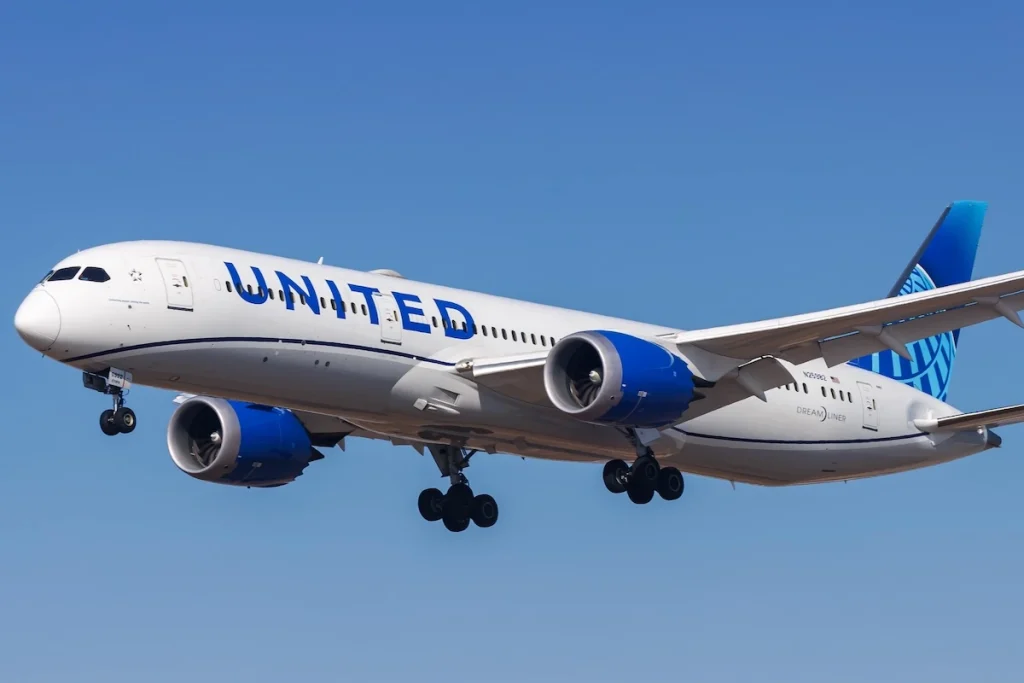
Furthermore, with ongoing uncertainty across the Middle East and conflict now affecting markets worldwide, the appetite for travel could also decline substantially as airfares rise due to higher operating costs and fewer available flights.
United Airlines’ decision, while one of the first, will become all the more common across the industry, even among major competitors such as American Airlines and Delta, which will also be forced to trim their schedules as a direct consequence of last month’s activities in the Middle East.

ABOUT THE AUTHOR
Daniel Fowkes is a Melbourne-based aviation analyst and journalist with over a decade of industry experience. As founder of Dj’s Aviation, he delivers trusted analysis on aircraft, airline strategy and global aviation trends for djsaviation.net
Related Articles




Stay Informed
Get the latest aviation news, analysis and route updates delivered to your inbox.
We respect your privacy. Unsubscribe at any time.
Enjoyed this story?
Make us your go-to for aviation news
Add us as a preferred source on Google and see our latest stories first in Top Stories.
Add Us On Your News FeedRelated articles
· Airlines
Allegiant Air Buys Six More 737-8s From Boeing
Daniel Fowkes
26/10/2026
· Airlines
Emirates vs Qatar Airways: The Gulf Superhub Rivalry Compared
Bryan Shelmon
26/10/2026
· Airlines
Riyadh Air Is Moving Away From Riyadh
Daniel Fowkes
26/10/2026
· Airlines
Emirates Isn’t Worried At All
Daniel Fowkes
25/10/2026