

The Airbus A380 vs Boeing 747, the two largest passenger aircraft ever built, and between them, they defined what long-haul aviation looked like for half a century.
The 747 entered service in 1970 and became the first widebody jet, carrying more passengers further than anything before it. The A380 followed in 2007 as a direct challenge to the 747’s dominance, offering a full-length double deck and capacity for over 850 passengers in a high-density layout.
Neither programme survived the industry’s shift toward smaller twin-engine jets as Airbus and Boeing had hoped, but both aircraft remain in service today, and understanding how they compare tells you a great deal about how aviation economics changed around them.
Background Of A380 and 747
The Boeing 747 was born from a 1965 Pan Am requirement for an aircraft more than twice the size of the 707. Boeing designed it around a distinctive partial upper-deck hump, which became the aircraft’s most recognisable feature and housed a small number of premium passenger or crew rest facilities.
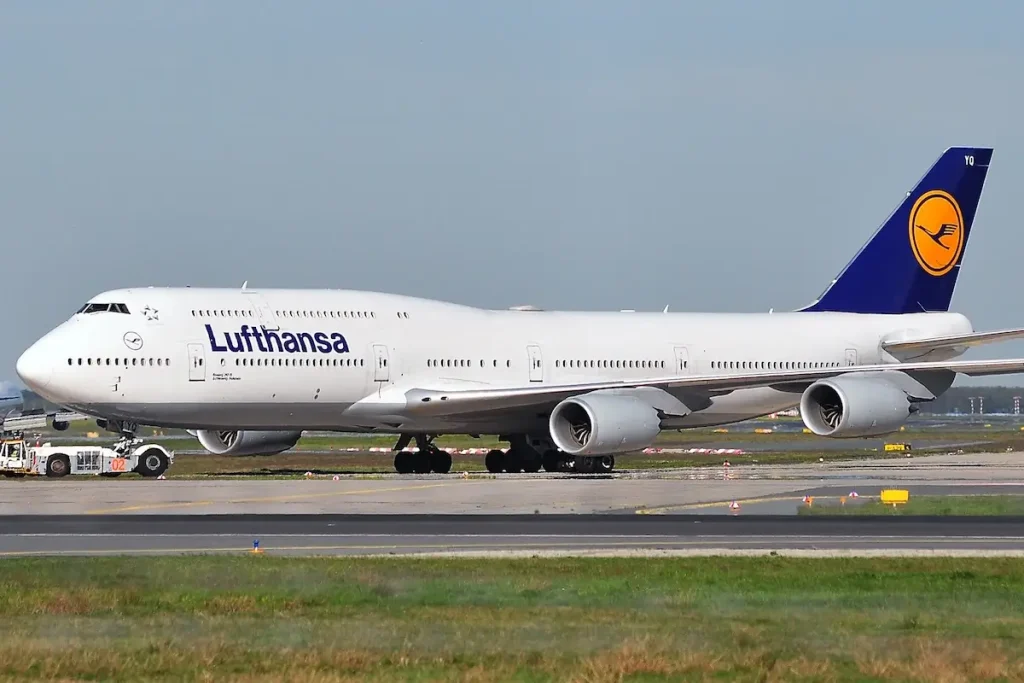
The 747-100 entered service with Pan Am in January 1970 and immediately changed commercial aviation, making long-haul travel affordable for millions of people who had never flown before. Four generations followed, culminating in the 747-8, which entered service with Lufthansa in 2012.
The A380 programme was launched in December 2000 after years of study, with Airbus targeting the same hub-to-hub market that the 747 dominated. The design philosophy was simple: if major airports like Heathrow, Narita, and Dubai were slot-constrained, the answer was to carry more passengers per movement rather than increase the number of flights.
The A380 was designed around that logic, with a full-length double deck stretching the entire fuselage. Singapore Airlines took the first delivery in October 2007 and operated the inaugural commercial service on 25 October 2007 between Singapore and Sydney.
Keep up with the latest widebody news at Dj’s Aviation.
Airbus A380 vs Boeing 747: Specifications
Here’s how the most recent variants of each aircraft compare:
| Specification | A380-800 | 747-8I (passenger) |
| Typical seating (3-class) | 555 | 410 |
| Maximum certified seats | 853 | 605 |
| Range | 8,000 nm | 8,200 nm |
| Length | 72.7 m | 76.3 m |
| Wingspan | 79.8 m | 68.4 m |
| Cruise speed | Mach 0.85 | Mach 0.855 |
| Engines | Rolls-Royce Trent 900 or Engine Alliance GP7270 | GE GEnx-2B67 |
| Max takeoff weight | 575,000 kg | 447,696 kg |
The 747-8 is longer than the A380, the one physical dimension where Boeing’s aircraft leads. In every other measurement, the A380 is larger.
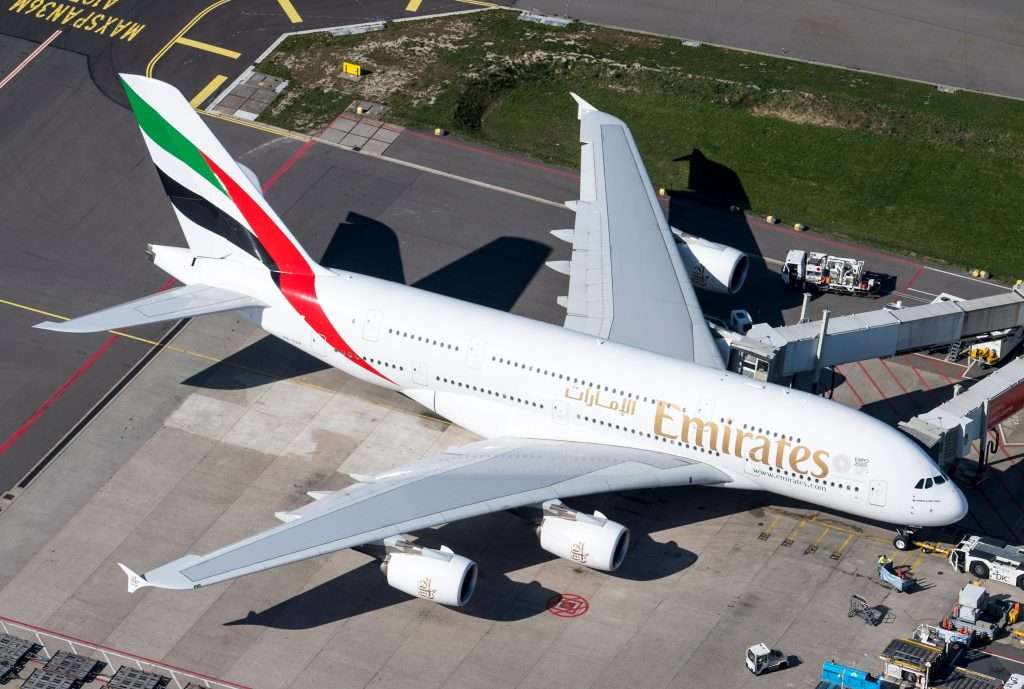
Its wingspan of nearly 80 metres required Airbus to develop a new wing folding option for airports unable to accommodate it, and its maximum takeoff weight is considerably higher than the 747-8’s. The range figures are broadly comparable, with the 747-8 holding a slight advertised edge of around 200 nautical miles.
Capacity and Cabin Of These Aircraft
The capacity difference between the two aircraft is substantial. In a typical three-class configuration, the A380 seats around 555 passengers, compared with around 410 on the 747-8, and in a maximum all-economy layout, the gap widens to over 250 seats in the A380’s favour.
That difference is almost entirely a function of the A380’s full-length double deck versus the 747’s partial upper deck hump, which adds only a relatively small amount of additional floor space compared to a conventional single-aisle section.
In practice, airlines rarely configure either aircraft for maximum density. Emirates, the world’s largest A380 operator, typically seats around 489 passengers across three classes. The cabin experience on both aircraft is widely regarded as among the best in aviation for passengers in premium cabins, with the A380’s lower deck featuring nearly vertical sidewalls and a particularly quiet ride.

Airlines, including Emirates, Singapore Airlines, Etihad, and Qatar Airways, have installed onboard lounges, bars, and, in some cases, shower suites on their A380s. The 747’s upper deck, meanwhile, has traditionally been used for premium cabins on carriers like Lufthansa and Korean Air, where the separation from the main cabin creates a quieter, more private environment.
Engines and Efficiency
This is where the story of both programmes gets complicated. The A380 uses four engines, either the Rolls-Royce Trent 900 or the Engine Alliance GP7270, each producing around 75,000 pounds of thrust.
The 747-8 uses four GE GEnx-2B67 engines. Four-engine operations are inherently more expensive than twin-engine alternatives due to higher fuel burn, more complex maintenance, and higher overhaul costs.

When the Boeing 787 and Airbus A350 entered service with two highly efficient engines each, airlines found they could operate long-haul routes for dramatically lower costs per seat mile.
Routes that had required a 747 or A380 to be economically viable could suddenly be served by a 787 or A350 with lower risk, greater frequency, and more flexibility. The hub-and-spoke logic that underpinned both four-engine jumbo programmes began to look less compelling as point-to-point flying grew.
Sad: Programme Outcomes
The 747 programme ran from 1968 to 2023, when Boeing delivered the final 747-8 freighter. According to Boeing’s historical orders and deliveries records, over 1,500 aircraft were built across all variants over 55 years.
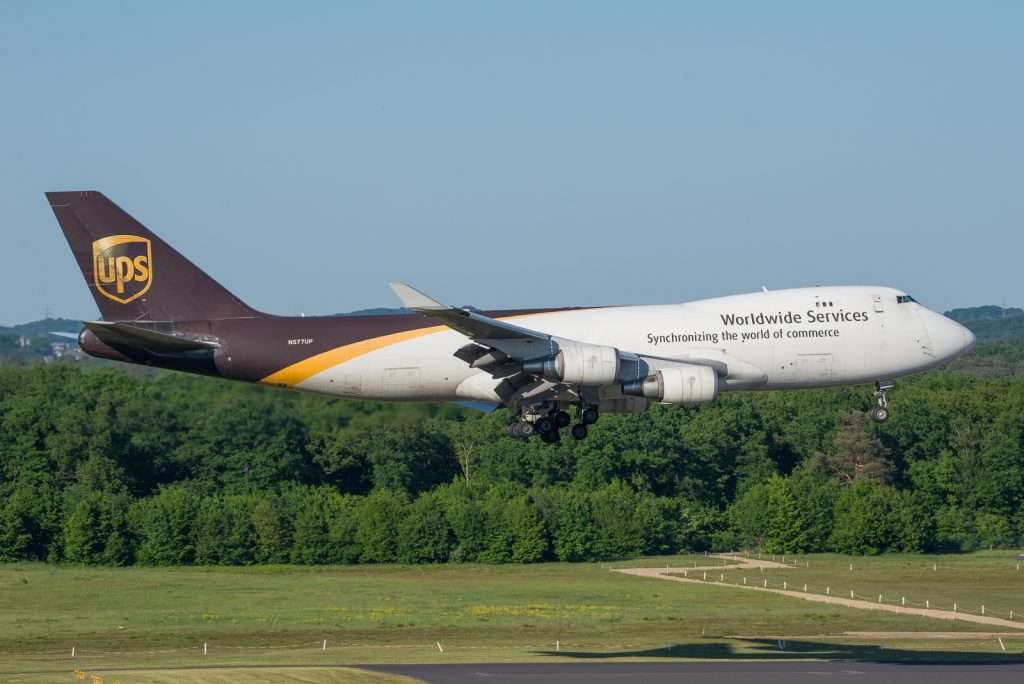
The passenger 747 is now largely retired from commercial service, though Lufthansa still operates 747-8Is alongside a dwindling 747-400 fleet, and Korean Air and Air China maintain small 747-8 passenger fleets. The aircraft survives most prominently as a freighter, with the 747-8F continuing in production and operation at cargo carriers including Atlas Air, Cargolux, and UPS.
The A380 fared worse commercially. Airbus delivered 251 aircraft in total before ending production in 2021, a fraction of what the programme needed to break even. The decision to end production came after Emirates, which accounts for 121 of the 251 aircraft delivered, threatened to cancel its remaining orders unless Airbus committed to a new engine option for the type.
Airbus concluded that without broader airline interest, the economics of developing an updated engine couldn’t be justified. As of August 2025, according to Wikipedia’s list of A380 operators, 186 aircraft remain in active service with 11 airlines. Emirates continues to commit to the type and has stated it plans to fly its A380 fleet until at least 2040.
Who Still Flies The Superjumbo?
The A380 fleet is concentrated among a handful of carriers. Emirates dominates with 121 aircraft, followed by British Airways (12), Singapore Airlines (12), and Qantas (10). Lufthansa, Qatar Airways, Etihad, Korean Air’s affiliate Asiana, ANA, and Korean Air itself round out the current list of operators.
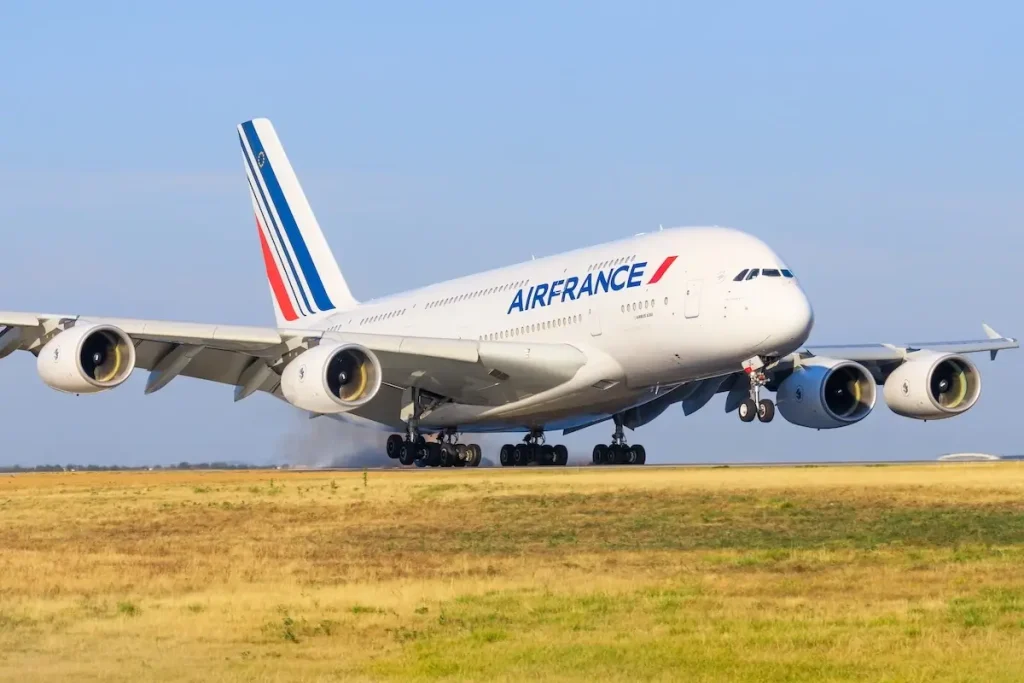
Airlines, including Air France, China Southern, Malaysia Airlines, and Thai Airways, retired their A380s, most during the pandemic when the economics of operating a large four-engine jet became untenable.
The passenger 747 picture is bleak still. Fewer than 20 747-400s remain in scheduled passenger service globally, with Lufthansa and Air China the most significant operators. The 747-8 passenger variant is flown by Lufthansa (19 aircraft), Korean Air (5), and Air China (7). The type’s future in passenger service is limited, with retirements expected to continue through the late 2020s.
What The Story Tells Us
The parallel decline of both programmes reflects the same underlying shift. Airlines decided that two highly efficient engines, smaller capacity, and network flexibility were worth more than the economics of filling 400 or 500 seats on hub-to-hub routes.
The 787 and A350 made that calculation conclusive. Neither the A380 nor the 747-8 failed because they were bad aircraft. They failed because the market moved away from the aviation model for which they were built.
For more on the widebody jets that replaced them, read Dj’s Aviation’s coverage of the A321XLR and its impact on long-haul routes.

ABOUT THE AUTHOR
Daniel Fowkes is a Melbourne-based aviation analyst and journalist with over a decade of industry experience. As founder of Dj’s Aviation, he delivers trusted analysis on aircraft, airline strategy and global aviation trends for djsaviation.net
Related Articles




Stay Informed
Get the latest aviation news, analysis and route updates delivered to your inbox.
We respect your privacy. Unsubscribe at any time.
Enjoyed this story?
Make us your go-to for aviation news
Add us as a preferred source on Google and see our latest stories first in Top Stories.
Add Us On Your News Feed