
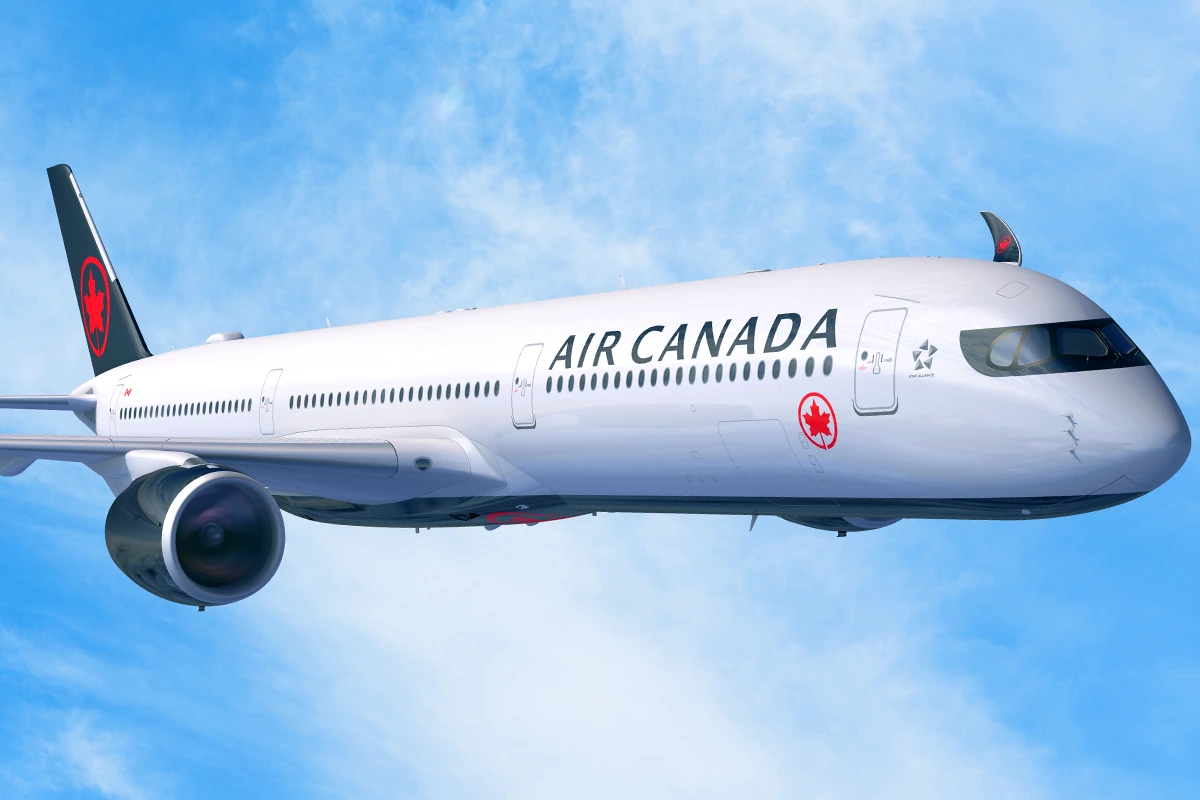
The Air Canada A350-1000 order signals a positive step in neccesary widebody renewal amid aging 777 and A330 aircraft.
Additionally, the high-capacity Airbus aircraft to be delivered from 2030 are designed to address pressing requirements to expand the global network. With a more efficient model, the jet’s flexibility will enable this.
But why did the airline order the A350-1000? What’s included in the contract, and where will the aircraft fly once delivered in the 2030s?
Air Canada A350-1000 Order Breakdown
Air Canada’s order for the Airbus A350-1000 was split into 16 units, with an option for eight additional units, exercisable at a later date.
The order points towards the next step in the airline’s ongoing widebody fleet renewal, with deliveries slated to begin in the second half of 2030.
For the Canadian flag carrier, the high-capacity A350 model delivers natural efficiency gains over existing aircraft while providing a platform with 9,000nm of range for new nonstop opportunities across the network.
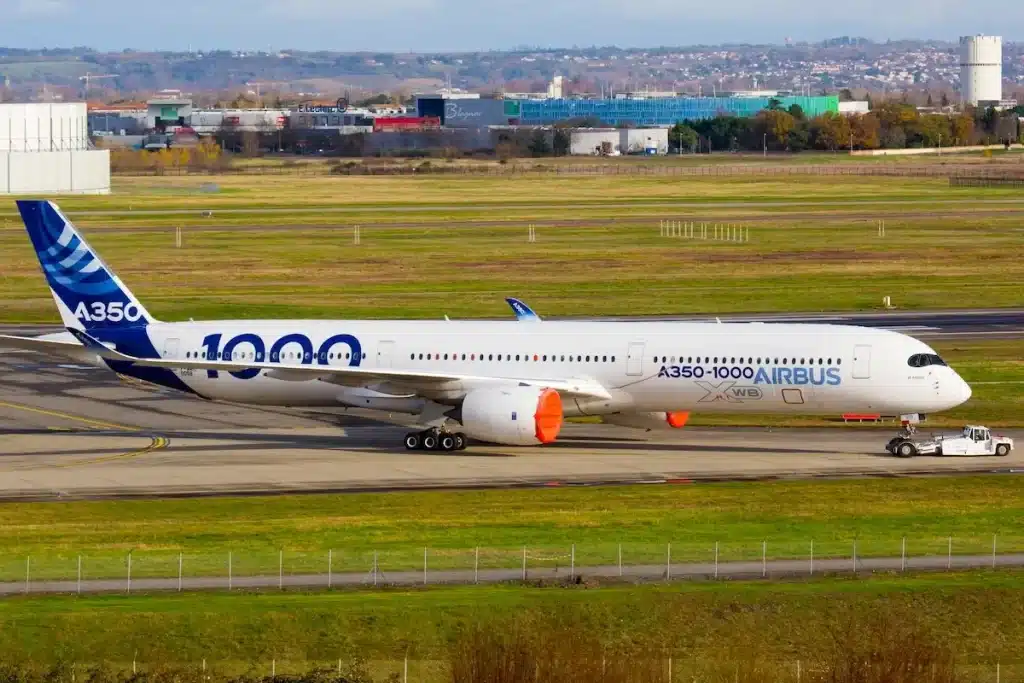
With fuel burn reductions and emissions compared to predecessors, the high-capacity Airbus widebody ultimately supports Air Canada’s long-term sustainability goals.
Air Canada To Replace Aging Aircraft?
As with any aircraft order, there’s always a call for new aircraft to be direct replacements for existing models. While Air Canada has highlighted the A350-1000’s growth potential, that doesn’t mean it won’t play a role in replacement efforts elsewhere.
The airline’s widebody fleet continues to show signs of aging. As of early-2026, the business operates the 777-300ER and 777-200; these two models represent over 20 units in service.
The A330-300 fleet is next, with the airline operating 20 of these; some models are over 25 years old. These two aircraft staples in the widebody segment are both older and, by the 2030s, will be showing their age.

These jets will continue to incur higher maintenance costs and lack the fuel efficiency of newer models, making replacement necessary as demand surges on the routes on which they are frequently deployed.
The arrival of the Boeing 787-10 will ease pressure on high-capacity widebody flying, with deliveries from this year, and the A350-1000 is expected to also play a role in the eventual retirement of the 777 and A330 while meeting growth.
Efficiency and Flexibility To Be Key
For Air Canada, a purchase of the A350-1000 is directly tied to the efficiency and flexibility the aircraft will bring to its network as demand continues to surge and the need for aircraft becomes increasingly pressing.
Speaking during an earnings call, the airline’s Chief Commercial Officer, Mark Galardo, said that what they value most about the high-capacity Airbus model is its range.
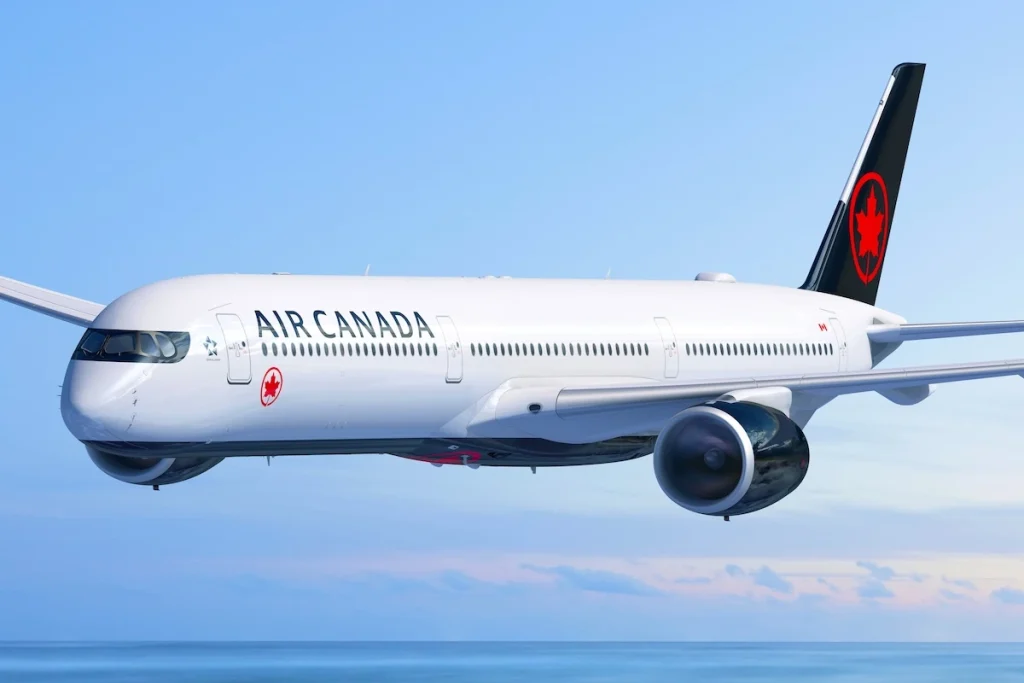
The airline is now able to explore new opportunities across markets, including the Indian subcontinent, Australia, and Southeast Asia.
Australia has long been a target market for the airline, especially the return of service to Melbourne; however, given the current fleet composition, this has been deemed unviable for several reasons.
Even if it isn’t new routes, Air Canada also knows that the existing A350-1000 is already in service; if the A350-1000 is to take over, it’ll be a significant improvement over current offerings and increase performance across these routes.
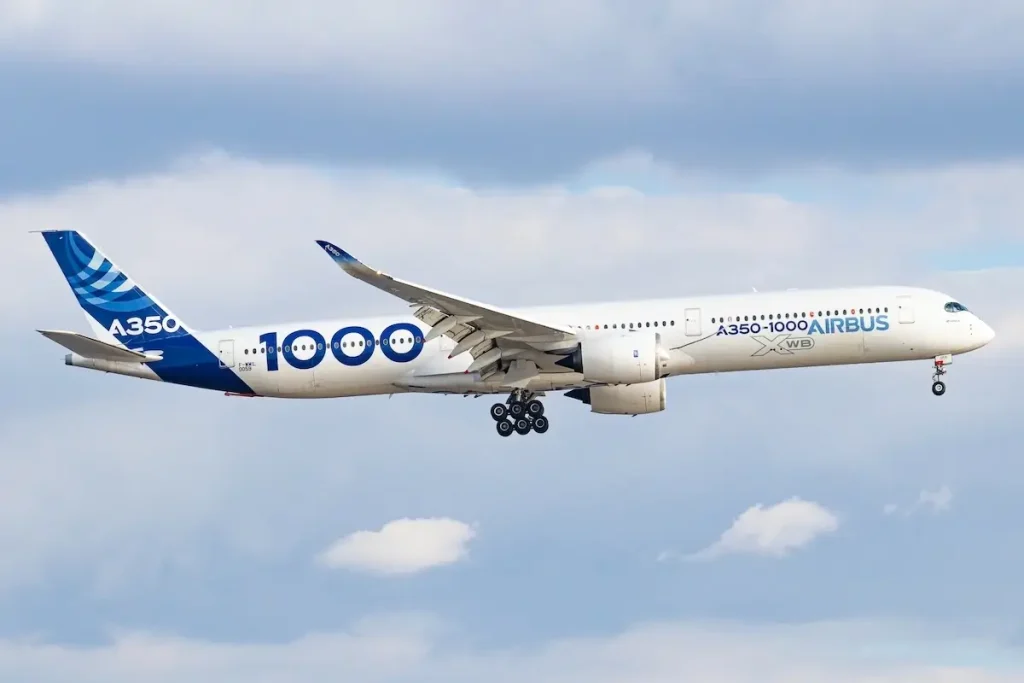
With range, capacity and fresh opportunities for the business, Air Canada highlights the very flexibility that the aircraft ultimately offers, which is going to elevate their operation into the next decade and beyond.
More Widebody Aircraft Will Be Needed
Air Canada’s order of up to 16 Airbus A350-1000s addresses an important gap in the airline’s fleet renewal efforts, but still only represnets part of what will be required for true renewal.
With the airline still flying near 40% of its fleet as widebody jets from the 777-300ER, 777-200, A330s, and the newer 787-9s, with the A350-1000 arrival comes the requirement to replace the first three types as they continue to show their signs of age.
As routes will demand not just newer aircraft to sustain and meet booming demand, whether it is across Canada, transatlantic or transpacific, the airline will need the backlog for that to happen.
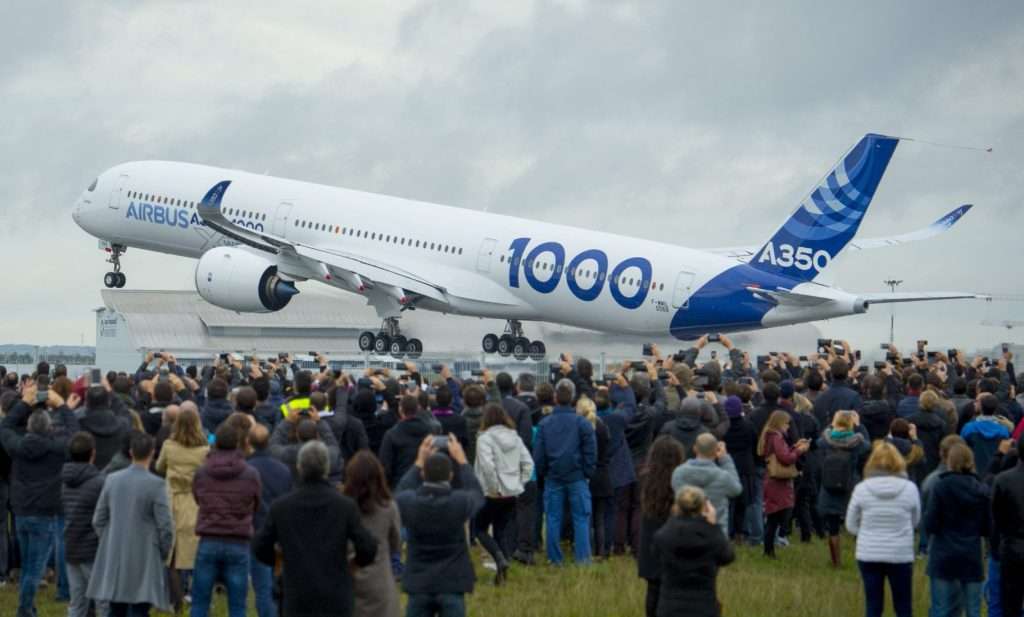
While Air Canada is expected to also take delivery of the 787-10 to complement the 787-9, even with the A350-1000, there’s a view outside the airline that it will need to deepen its business.
Given its track record of building on prior orders, the A350-1000’s role could increase, or other jets could be purchased in service to meet demand better. Moving into the 2040s, this would ensure a modern, efficient fleet with the capacity to grow and replace existing models.

ABOUT THE AUTHOR
Daniel Fowkes is a Melbourne-based aviation analyst and journalist with over a decade of industry experience. As founder of Dj’s Aviation, he delivers trusted analysis on aircraft, airline strategy and global aviation trends for djsaviation.net
Related Articles




Stay Informed
Get the latest aviation news, analysis and route updates delivered to your inbox.
We respect your privacy. Unsubscribe at any time.
Enjoyed this story?
Make us your go-to for aviation news
Add us as a preferred source on Google and see our latest stories first in Top Stories.
Add Us On Your News Feed