
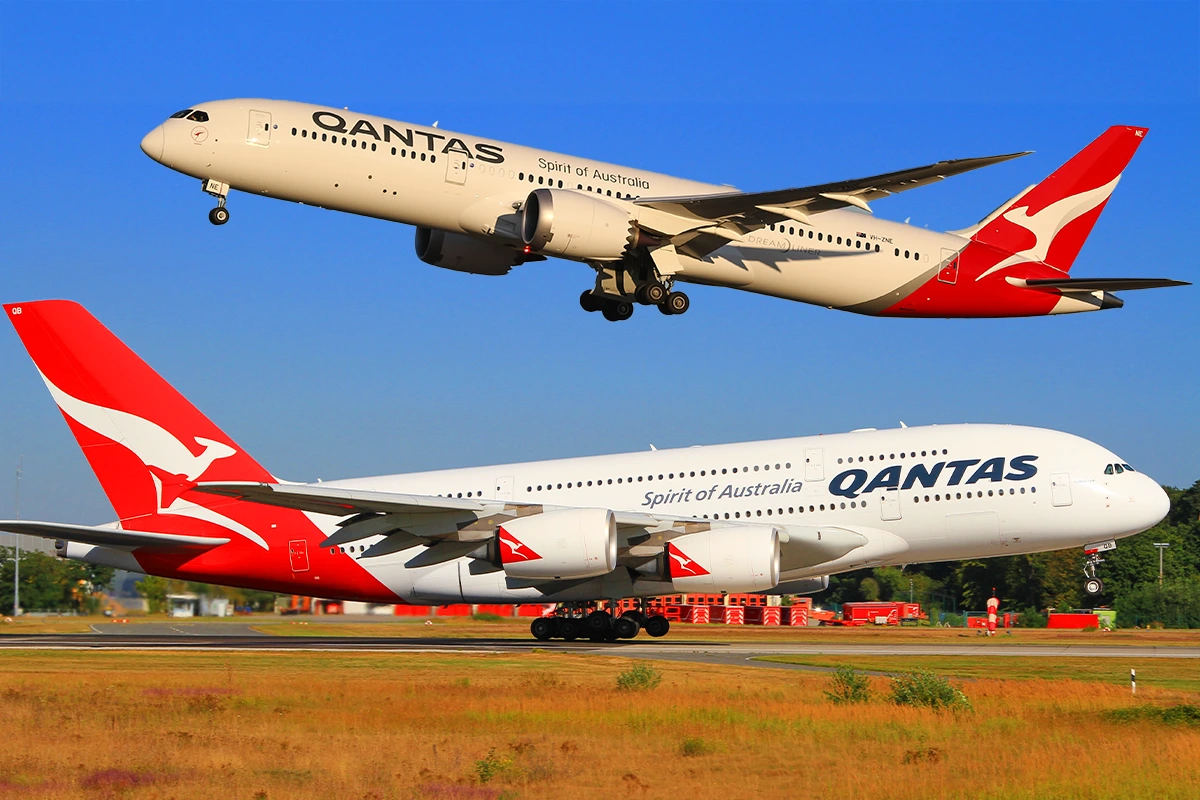
Qantas is axing Airbus A380 services on its Sydney-Dallas/Fort Worth route in August 2026 for the Boeing 787.
The planned changes, scheduled between 31 July 2026 and 21 August 2026, will see 3 of the 7 weekly flights typically operated by the Airbus A380 be operated by the airline’s 787-9.
Capacity reductions across the airlines’ Dallas service will occur for three weeks on QF7/8, as flagged by aeroroutes.com in a schedule filing adjustment.
QF7 is scheduled to depart Sydney at 1200, with an arrival into Dallas Fort Worth at 1230. The return flight QF8 departs Dallas at 2255 and arrives in Sydney two days later at 0655, all times local to each city.
Qantas Makes Changes In March
Qantas’ decision to slash capacity but not frequency to Dallas Fort Worth for August comes just a matter of weeks after announcing a similar move in a schedule adjustment for March 2026.

As part of the most recent change, the airline will, between 6 March 2026 and 22 March 2026, operate the 787-9 on alternating days between the two cities, complemented on other days by the routine A380 service.
The change in March, now also occurring in August, across just under 50% of flights will not only reduce capacity by moving from the quad-engined jet to the twin-engine, but also by removing 14 first-class suites, a key revenue generator across the markets.
Furthermore, these changes come on the heels of a recent schedule adjustment that increased frequency between the two cities to capitalise on opportunities to visit the U.S. and to accommodate travellers from Texas to Australia.
With more A380 flights on a revamped schedule only just commencing, the move is a direct result of the airline’s lengthy effort to reactivate the world’s largest passenger plane after multi-year groundings.

The flag carrier is only just welcoming back the last unit from long-term storage, a move the airline called one of its most complex in history, as aircraft spent close to half a decade in long-term storage.
Qantas Airbus A380 vs Boeing 787
Qantas’ Airbus A380 and Boeing 787 aircraft are the two primary pillars of the airline’s international widebody network, each offering distinct capabilities for the airline and its customers.
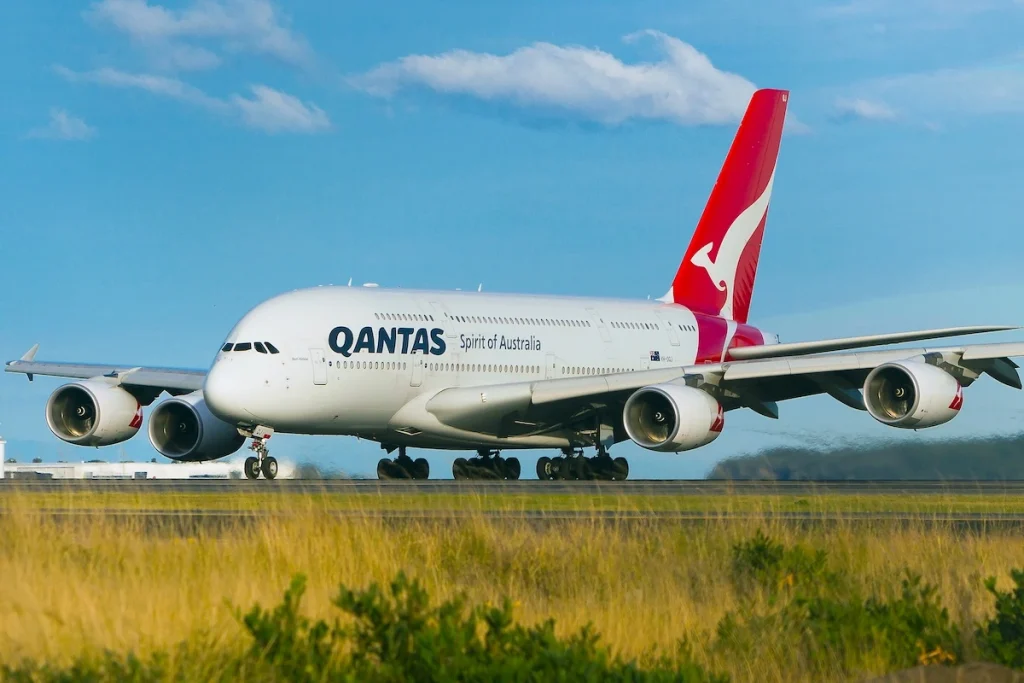
The A380’s double-deck design allows the airline to push an expansive cabin, first class and more room to stretch. A key selling point of the world’s largest passenger plane is its customer satisfaction.
In contrast, the airline’s 787 fleet offers a more intimate experience, with passenger capacity lower than that of the Airbus A380.
Still, what the jet lacks in capacity it makes up for with technological advancements, including reduced fatigue and jet lag, tinted windows, mood lighting, and other amenities, making it ideal for long-haul journeys.
For the airline, both aircraft offer something different; however, both are integral to the network. Premium cabins on the A380 are deployed across key Kangaroo routes, while the 787 prioritises efficiency.

ABOUT THE AUTHOR
Daniel Fowkes is a Melbourne-based aviation analyst and journalist with over a decade of industry experience. As founder of Dj’s Aviation, he delivers trusted analysis on aircraft, airline strategy and global aviation trends for djsaviation.net
Related Articles




Stay Informed
Get the latest aviation news, analysis and route updates delivered to your inbox.
We respect your privacy. Unsubscribe at any time.
Enjoyed this story?
Make us your go-to for aviation news
Add us as a preferred source on Google and see our latest stories first in Top Stories.
Add Us On Your News Feed