

Airbus has said goodbye to another BelugaST, the SuperTransporter, with its official retirement on 29 January 2026, and a final ferry flight.
The ferry flight operated by Beluga Number 5, registered as F-GSTF, departed from Bordeaux for the aircraft manufacturer’s site at Hawarden in the United Kingdom, where the aircraft is to be put on display at an educational centre.
The move from Airbus follows an original plan to make the older Belugas available for global charter operations under the Airbus Beluga Transport subsidiary; however, the subsidiary closed a year after its launch due to obstacles that made routine operations challenging.
Once the closure of this endeavour was finalised, it became apparent that the purpose of the older BelugaST was no longer valid, and the business decided to proceed with its retirement.
Just one model now remains active: fleet number 3, registered as F-GSTC, is 28.8 years old and is the last of the iconic, pivotal aircraft in the planemaker’s operations.
Why Airbus Introduced The BelugaST
The introduction of the Airbus BelugaST (A300-600ST Super Transporter) in the mid-1990s was intended to revolutionise the internal logistics of the planemaker’s production operations.

With the aging Super Guppy fleet and the emerging need for A320-family fuselages and A330 wings, even in the future sections of other critical commercial aeroplanes, Airbus needed to respond with an alternative.
Based on the A300-600, the BelugaST offered Airbus a strong 7.4m diameter and a cargo hold for 47 tonnes of payload, thanks to a cargo load 37.7 m in length and quick loading access via the clamshell nose door.
The fleet of five aircraft helped connect factories in Toulouse, Hamburg, Broughton, and beyond, slashed transport times that would’ve taken longer by sea or road, and boosted efficiency across the planemaker’s hub locations.
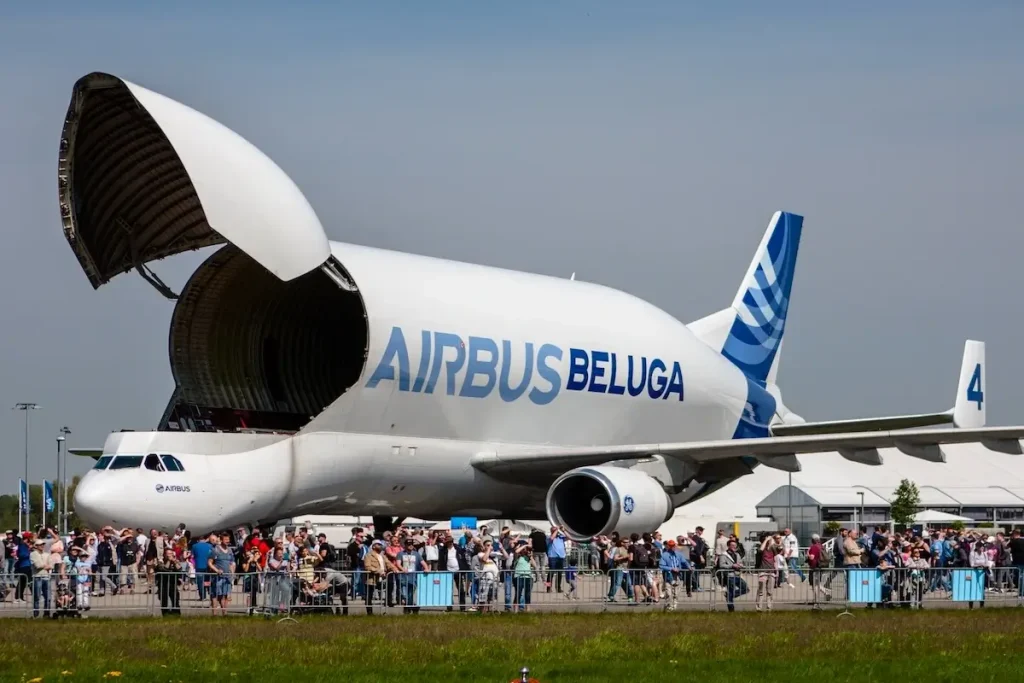
With orders surging from the 1990s onward as airlines sought to grow air traffic, the BelugaST fleet ensured reliability across production, positioning the planemaker as a top-tier business and one able to reduce costs, delivery times, and more for its customers and its own finances.
What Comes After The BelugaST?
As the BelugaST began to age, Airbus knew it needed to source a replacement to address the surge in demand for new aircraft components throughout the 21st century, especially as older Super Transporter units reached the 30-year mark.
The BelugaXL was launched to meet a specific requirement: it can carry Airbus A350 components that do not fit on the BelugaST, offering greater capacity and payload while enabling more efficient transportation across European cities.
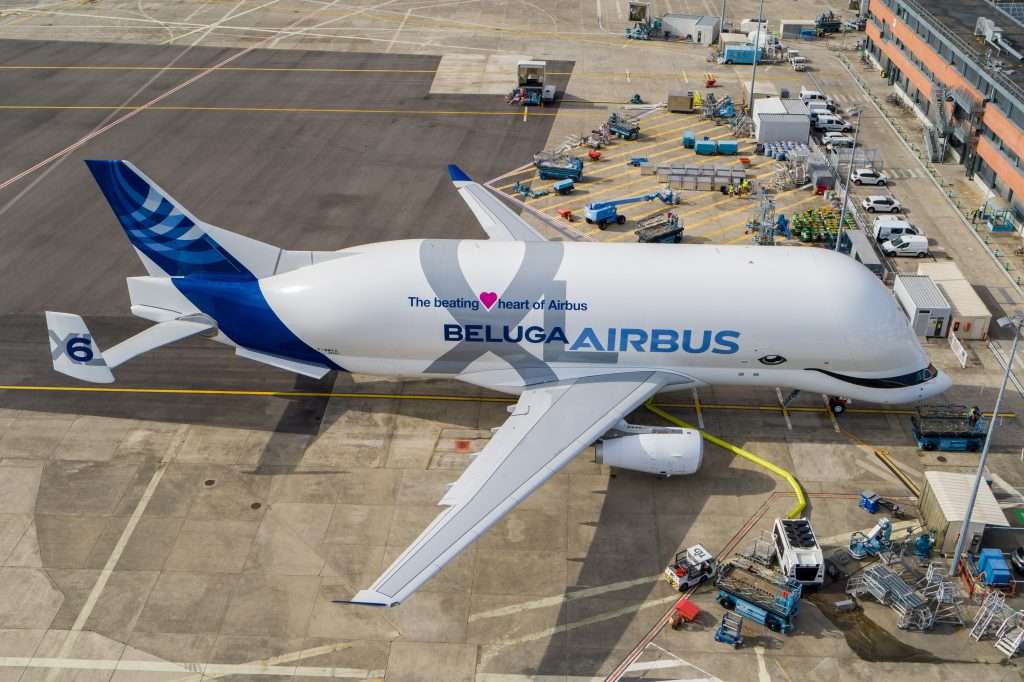
Additionally, the BelugaXL, based on the A330-200F, represents an efficiency upgrade over the older Beluga model and is part of a commitment to greater efficiency not just within this division but, more importantly, in the production of aircraft emerging from the COVID-19 pandemic and now beyond.
Bottom Line: The End Of An Era
Airbus has bid farewell to another of its BelugaST Super Transport jets as part of ongoing efforts to phase out this older model.
The second-to-last aircraft is now beginning a new life in the UK, where it’ll be used as an educational centre.

ABOUT THE AUTHOR
Daniel Fowkes is a Melbourne-based aviation analyst and journalist with over a decade of industry experience. As founder of Dj’s Aviation, he delivers trusted analysis on aircraft, airline strategy and global aviation trends for djsaviation.net
Related Articles




Stay Informed
Get the latest aviation news, analysis and route updates delivered to your inbox.
We respect your privacy. Unsubscribe at any time.
Enjoyed this story?
Make us your go-to for aviation news
Add us as a preferred source on Google and see our latest stories first in Top Stories.
Add Us On Your News FeedRelated articles
· Freight
Boeing’s 777F Production Suspended For 2 Months
Daniel Fowkes
25/10/2026
· Freight
Boeing 747-8F Grounded in Europe after Gear Collapses
Daniel Fowkes
25/10/2026
· Freight
Atlas Air Could Fly 60 Airbus A350Fs
Daniel Fowkes
23/10/2026
· Freight
Mystery Surrounds Airbus A350F Order
Daniel Fowkes
10/10/2026