

Delta’s order for the Airbus A350-1000 will reshape its long-haul travel for decades to come.
With the aircraft set to become the airline’s flagship in the coming years, it represents an exciting new era for the U.S. carrier as it continues to face competition and a requirement to innovate.
What does the order look like? What’s the flying plan? What’s the cabin plan, and how has the order highlighted a shift towards Airbus over Boeing?
Delta’s Order Is Confirmed
Delta’s order for the Airbus A350-1000 came as a new year present, with a deal announced on January 12, 2024, for up to 40 of the aircraft.
At the time of the agreement, the U.S. carrier confirmed it would order 20 of the jets, with options for an additional 20 should it wish to exercise them later.
The deal was headlined under the premise that the airline wanted to continue moving forward with the refreshment of its fleet, mainly focusing on widebody operations across long-haul routes where capacity is required.
The A350-1000, as described by Ed Bastian, the airline’s CEO, complements the existing aircraft in the fleet, as evidenced by the already-flying smaller A350-900, which has been game-changing for efficiency and renewal efforts.

With no commitment for the 777X, and no plane bigger in the airline’s operations to date, the A350-1000 will also become the largest and therefore most capable plane in the operation as the company aims to expand internationally.
The XWB-97s will be featured on the aircraft. This more powerful platform delivers 20% better fuel efficiency than the planes it replaces, aligning the airline’s efforts with long-term, sustainable growth.
A Crucial Amount Of Capacity
These Airbus A350-1000s are fundamentally going to be crucial to the airline’s long-haul operations, with the capacity a winner for the business as it looks to serve slot-constrained markets and global cities with these planes.
Whether it’s the likes of across the Pacific to markets such as Australia, or eventually deepening the commitment towards India and the Middle East with key partner airlines as well, the ability to achieve more consistent loads will be precisely where these jets will thrive.
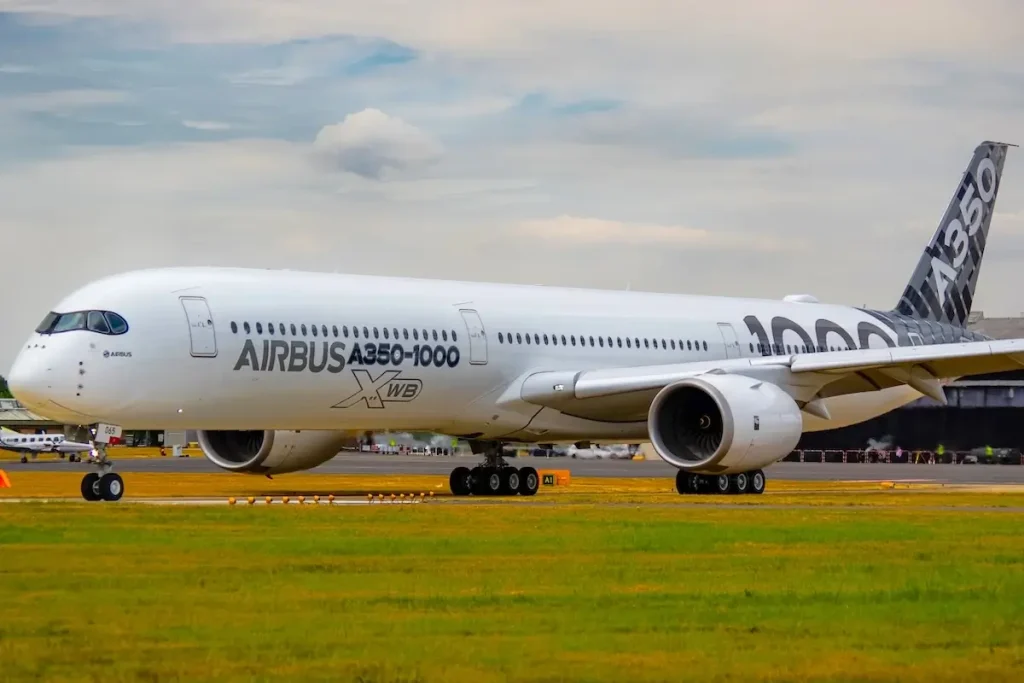
At the time of the order, Delta highlighted that the jet would primarily operate to international hubs to support expansion efforts, with the aircraft not strictly focused on growth but also to help retire older aircraft and bring more capacity to its hubs in the United States and those worldwide.
There are many markets that Delta is very keen to serve, spanning Asia, Africa, South America, and beyond. Paired with capacity, this means the airline can leverage both capabilities.
As for where the A350-1000s are slated to serve from, crucial gateways such as Los Angeles and Atlanta have long been targeted, but with the A350-1000s’ arrival close but not yet, further details on how the network will benefit will be revealed.
An Exciting New Era Inside
It won’t just be the range and capacity that’ll be key to Delta’s operation with the A350-1000, but also the cabin, where customers are expected to benefit.

Broken by JonNYC over on X in October, further details were revealed on the likely plan inside the cabin, with the flagship aircraft to be genuinely a flagship with a more high-density premium cabin across the fleet.
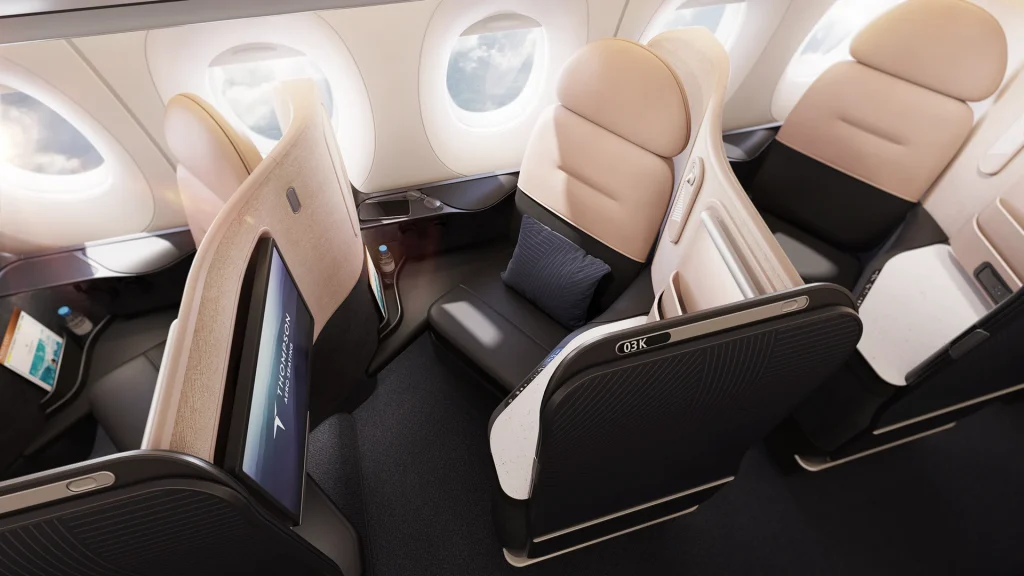
Rumours indicate that Delta’s new Business Class suite is likely to be the Thompson Aero VantageNOA, while the speculation, yet to be confirmed, has drawn much industry attention. This is a move that would ensure continuity across the A350 family.
With the option for a herringbone layout, whether reverse or not, it positions the seats at the window to face either the aisle or the window, giving the airline an optimal opportunity in the 1-2-1 layout.
These new business-class products are of particular interest because they come at a critical point, when U.S. carriers are one-upping each other with the launch of new upper classes to close the gap and offer a passenger experience that is substantially elevated.
For example, look no further than American Airlines, which has made several decisions across recent years that have led many to believe it has fallen behind the likes of Delta and United Airlines. This business is attempting to turn around its fortunes and make substantial investments, as evidenced by the A321XLR and the more premium-density configuration.
A Shift Towards Airbus Is Happening
The A350-1000 commitment is part of an overhaul of the airline’s fleet, with a shift in reliance towards more efficient aircraft, and that has just so happened to be with Airbus rather than Boeing.
While Boeing still holds a place within the airlines’ operations today, certainly through the likes of the 737, up to the workhorse 757 and 767, these are planes that are all on the way out rather than on the way in.
For the future, it’s only the 737 MAX, which represents part of Boeing’s position in airlines’ fleets. The other aircraft are all Airbus, across regional, short-haul, and long-haul operations, including models such as the A220, A321neo, A330neo, and, obviously, the A350.
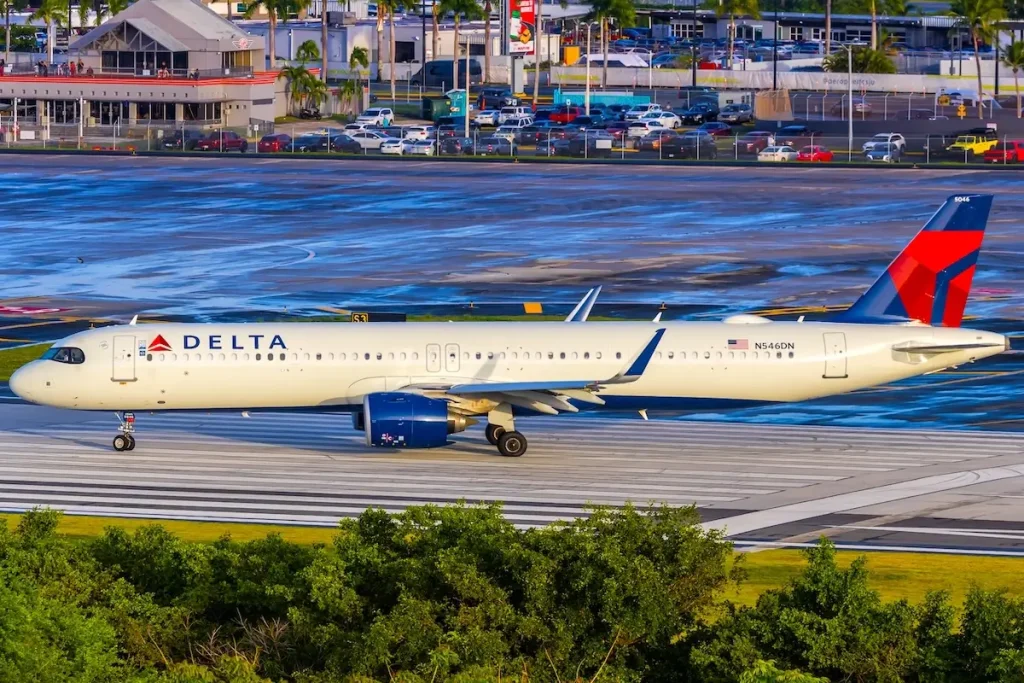
Ultimately, things could’ve been very different for Boeing in Delta’s future fleet backlog. Still, when the American planemaker decided against moving ahead with an NMA, one that the U.S carrier pushed for, it all but confirmed the future mix would be more heavy on Airbus.

ABOUT THE AUTHOR
Daniel Fowkes is a Melbourne-based aviation analyst and journalist with over a decade of industry experience. As founder of Dj’s Aviation, he delivers trusted analysis on aircraft, airline strategy and global aviation trends for djsaviation.net
Related Articles




Stay Informed
Get the latest aviation news, analysis and route updates delivered to your inbox.
We respect your privacy. Unsubscribe at any time.
Enjoyed this story?
Make us your go-to for aviation news
Add us as a preferred source on Google and see our latest stories first in Top Stories.
Add Us On Your News Feed