
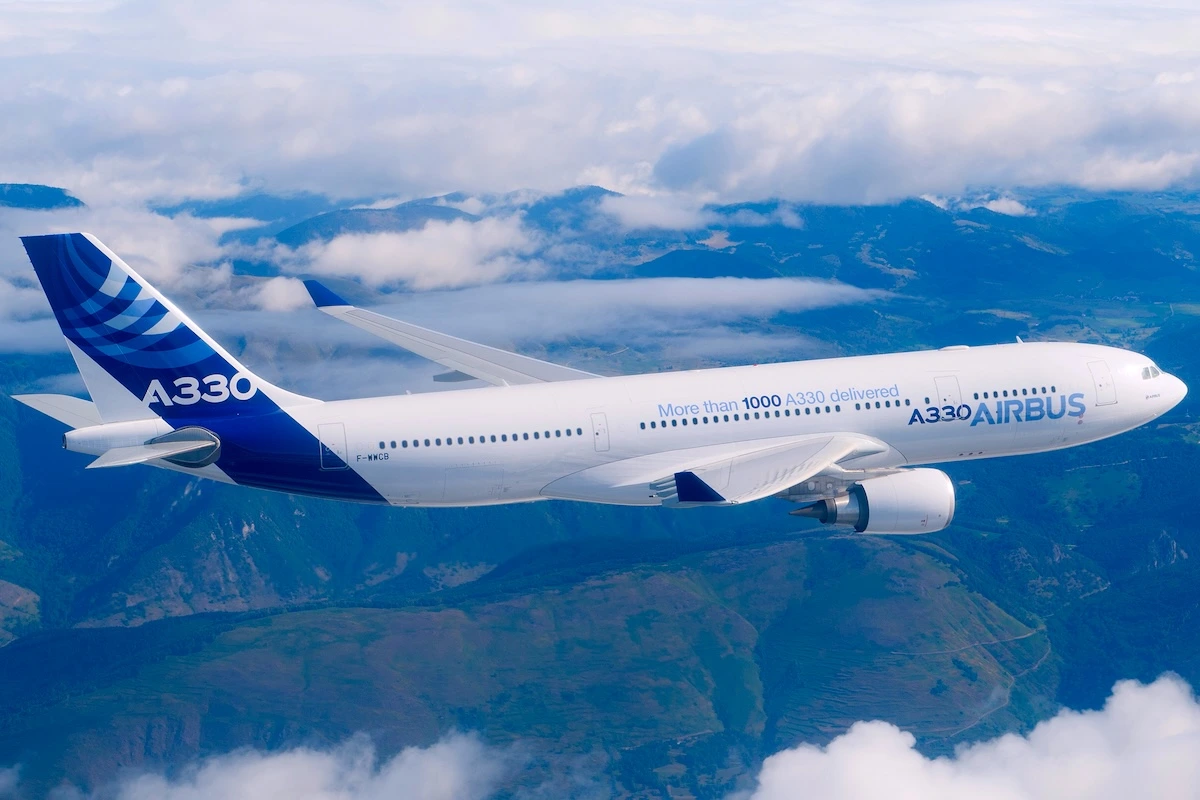
In the early 2000s, Airbus proposed launching an A330-500, a stretched variant intended to offer unparalleled range and replace aging models.
Promising a two-class configuration capacity of over 250 seats and fleet commonality across existing models, the offering is designed to meet the requirements of lessors and airlines.
However, despite initial buzz at the 2000 Farnborough Airshow, demand flattened, and the mismatched specifications halted a launch. Why was that?
Airbus A330-500: An Ultra Long Haul Vision
The Airbus A330-500 was a proposed stretched, ultra-long-range variant of the A330 family intended for customers requiring medium capacity over longer ranges.
The first version, which was slated for the 250-seater category, would likely have had a range of around 13,000km (7,000nm), according to Flightglobal reporting in July 2000.
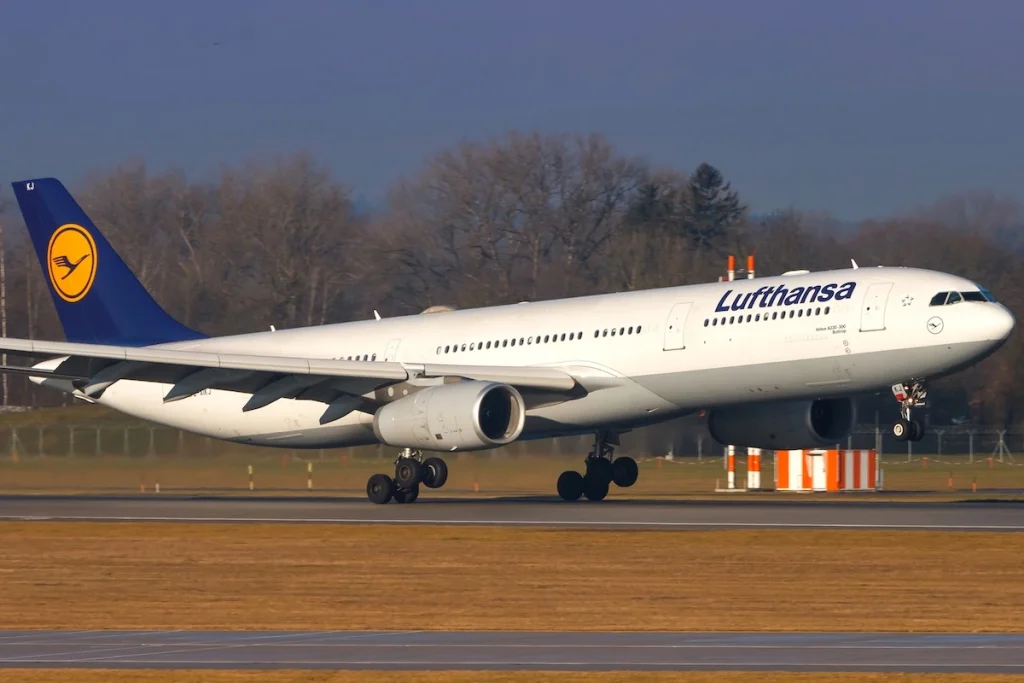
At the time, the Vice President of Marketing at Airbus stated that the A330-500 was designed to provide a platform suitable for both regional and long-range operations.
These studies of the A330-500 aimed to identify an optimal replacement for the A310/A300 combination, with the new model evaluated by airlines and other leasing companies to inform the planemaker’s target.
As studies progressed, the manufacturer sought to ensure complete commonality across the A330 program for any new endeavour, particularly fly-by-wire.
Launch Plans In The Early-2000s
After extensive studies to determine which platform could be brought to market, the planemaker said in 2000 that its A330-500 could fly as early as 2003, with entry into service in 2004.
By December 2000, Airbus began moving forward with the A330-500, believing that in the first quarter of 2001, it would need to decide whether to proceed with the launch.

At that point, it was described as a shrunken version of the A330 family, featuring variants unavailable in the -200 and -300 models, and it was hoped that airlines such as Singapore Airlines and Lufthansa would benefit from its versatility.
As airlines shift toward more efficient operations, aircraft manufacturers such as Airbus recognise the need to act quickly and pursue options to capture market share. The A330-500 was one of those, but it wasn’t the resounding success the business may have hoped for.
Why The Airbus A330-500 Failed
Despite the A220-500 being initially pushed to leading airlines such as Singapore Airlines and Lufthansa before the jet could formally enter service, it received significant pushback from other airlines.
A rejection of the concept primarily stemmed from a more muted announcement following the jet’s initial unveiling at the 2000 Farnborough Airshow. While much of the initial focus was on airlines, it was lessors who appeared to have committed.
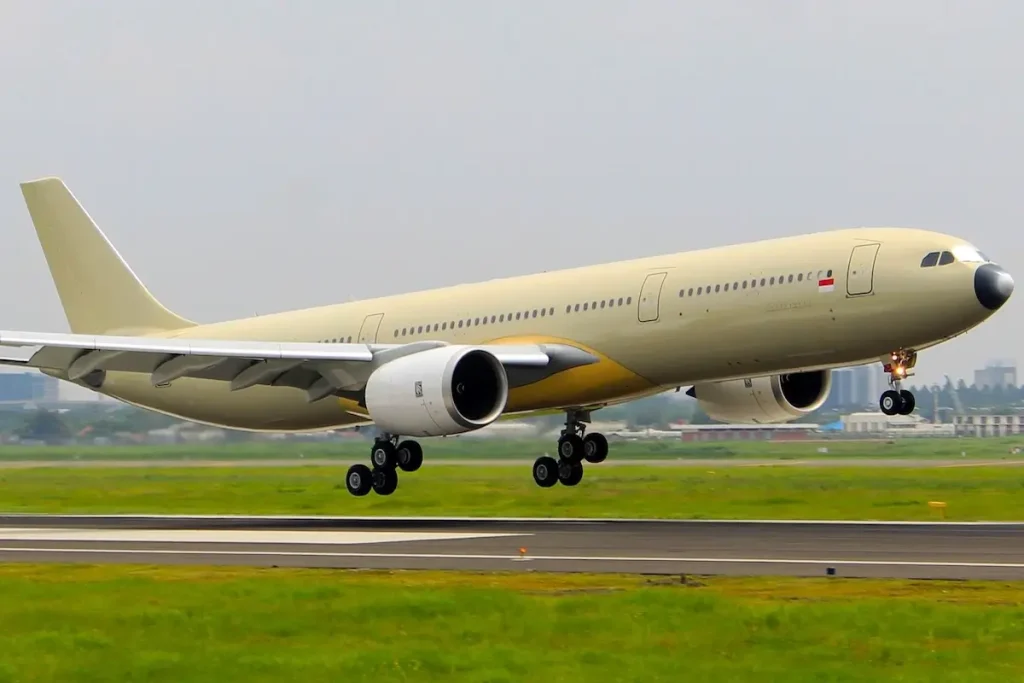
International Lease Finance (ILFC) and CIT Aerospace had initially expressed interest in the model; these two customers led the way, but not necessarily with sufficient backing to support a formal launch, which the airline had to consider.
However, from an airline standpoint, and considering Lufthansa and Hapag-Lloyd, which initially expressed interest in the A330-500 to replace some of their older Airbus jets, these two were not impressed with the long-range models.
Many of the airlines that expressed interest believed that, while the smaller capacity presented a unique opportunity, the substantial range created a greater operational mismatch, particularly for Singapore Airlines.
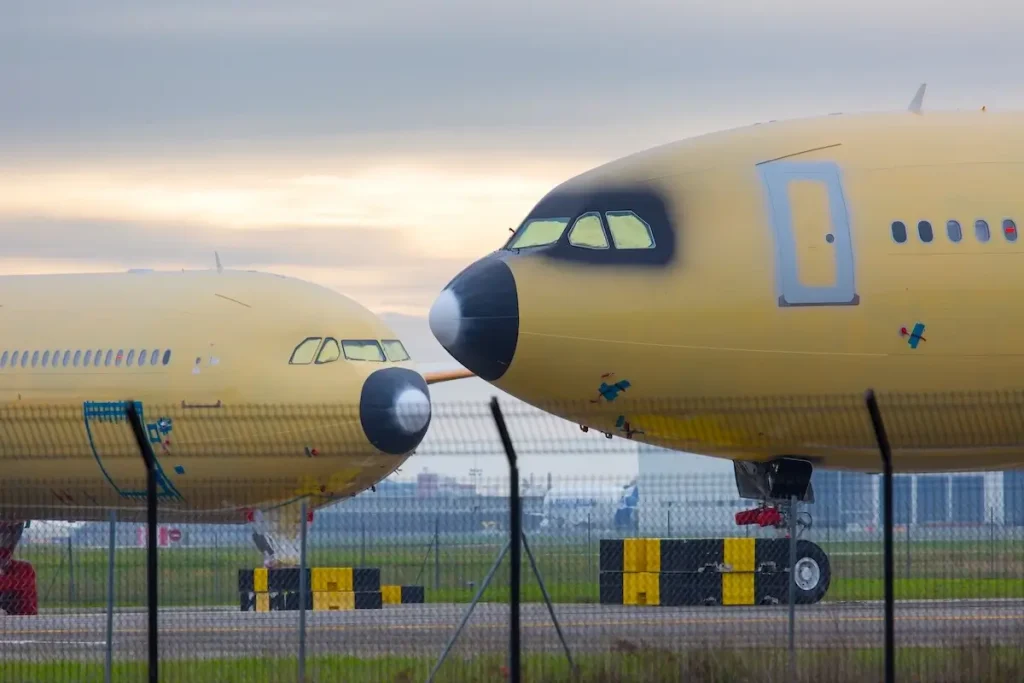
Ultimately, Airbus decided against proceeding with the A330-500 due to concerns about limited interest that wouldn’t make the project worthwhile, and because, for those parties interested, the prospect of variants being switched placed too significant a risk on committing to a launch.
What Happened To The A330 Program After?
Following the failure of the A330-500, Airbus immediately studied the A330-200Lite, which entered service in 2004, to compete with the 7E7, which would later become the Boeing 787 and revolutionise the industry with its efficiency.
Similar to the A330-500, the A330Lite struggled to gain customer interest, with specifications insufficient to support a market. These failed attempts to develop new A330 models led to the launch of the A350XWB as a clean-sheet widebody, which remains successful more than two decades after the A330 concepts were abandoned.
Despite the failure to launch these conceptual designs, the A330 would remain a staple across airlines’ networks for years to come, carving out its own niche in the mid-sized widebody segment and presenting unique opportunities.
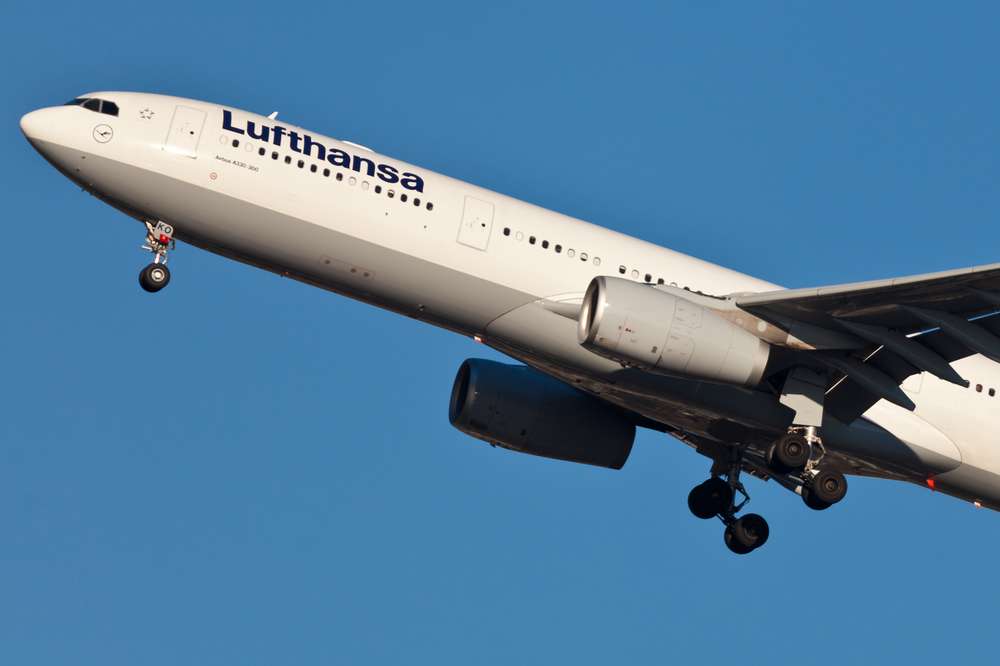
Airbus would then launch the A330neo, a new engine option to replace the outgoing A330ceo and counter the strong perfromance experience of the Boeing 787 over the last decades, ensuring this mid-sized widebody remains in service in some capacity across the planemaker’s operations.
While initially a slow grower, the A330neo has grown its backlog in recent years. As the only available widebody aircraft before 2032, it can be a strong fit for airlines seeking a more immediate capacity solution and who believe the specifications would work.
Bottom Line: Another Concept Never Launched
The A330-500s’ failure in the market underscores the difficulty of translating concepts into commercial reality despite initial interest in such a model.
Although the concept remains unreleased, the learnings from this paved the way for the successful A350XWB, now operated by airlines worldwide, and the broader A330 program continues with the A330neo.

ABOUT THE AUTHOR
Daniel Fowkes is a Melbourne-based aviation analyst and journalist with over a decade of industry experience. As founder of Dj’s Aviation, he delivers trusted analysis on aircraft, airline strategy and global aviation trends for djsaviation.net
Related Articles




Stay Informed
Get the latest aviation news, analysis and route updates delivered to your inbox.
We respect your privacy. Unsubscribe at any time.
Enjoyed this story?
Make us your go-to for aviation news
Add us as a preferred source on Google and see our latest stories first in Top Stories.
Add Us On Your News Feed