

Airbus A220 groundings continue, and reports indicate the figures are poor, making this aircraft troublesome for many airlines.
Available data highlights that in mid-October, 79 Airbus A220 aircraft were out of service, representing around 22% of the global fleet of 367 jets.
For aircraft operators, while the figure of 22% of the global fleet is bad news, it doesn’t reflect the full picture, as more maintenance and associated inspections are required in the short to medium term for existing engines.
The result of the Pratt & Whitney GTF crisis isn’t just felt on the Airbus A220 fleet, but also on the A320 family, including Brazilian planemaker Embraer’s E2 series.
A large portion, therefore, of aircraft remain grounded because the engines intended to power these planes have either been stripped and sit in hangars or the required maintenance parts cannot be obtained on time.
For airlines, this is frustrating, especially given that aircraft with Pratt & Whitney GTF engines are, on paper, incredibly efficient, flexible, agile and well-suited to a wide array of routes, but it’s their reliability that raises concerns.
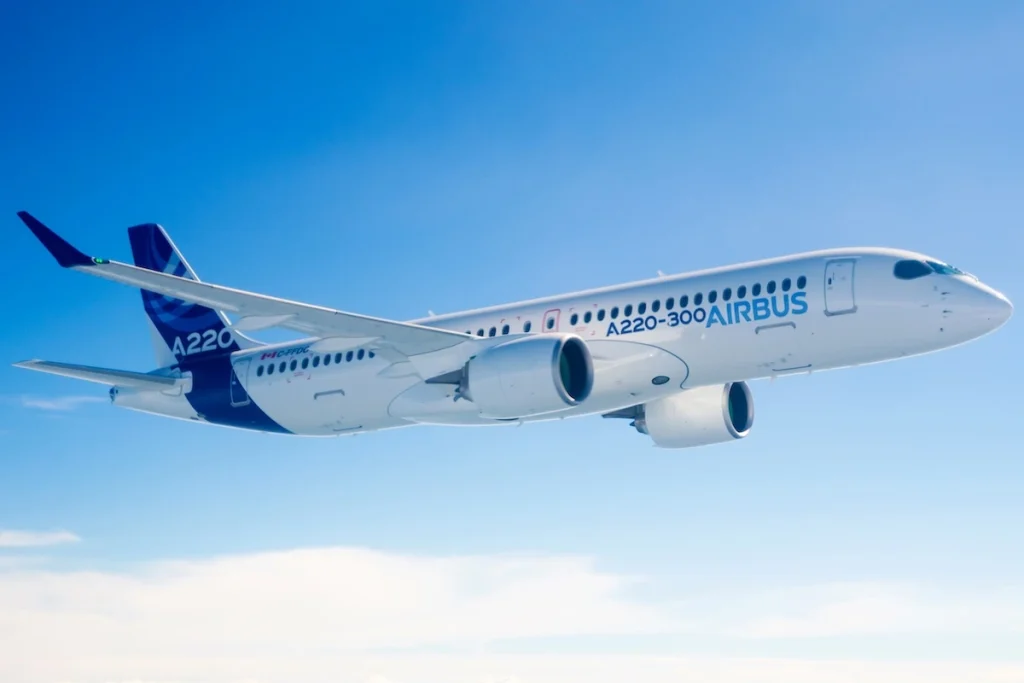
On the passenger side, these state-of-the-art planes also receive strong, positive feedback, often featuring the latest cabin amenities, but they’ve been problem children for most since their entry into service.
Airlines Feeling A220 Pressure
Pressures around the Airbus A220, if not indicative of the figures highlighting the groundings, have been hitting airlines left and right and centre for many years.
Just in the middle of October, a key customer of the series in SWISS said it does not expect problems with the jet to end anytime soon and is preparing for the struggles for at least the remainder of the decade.
In what the airline’s CEO called a concerning situation, it has been hurting its operations for many years. With no end in sight, single-aisle operations have faced reliability concerns.
In a more extreme case, the Pratt & Whitney GTF crisis has also led customers of the A220 who have had no luck with the jet since taking delivery to take their business elsewhere.
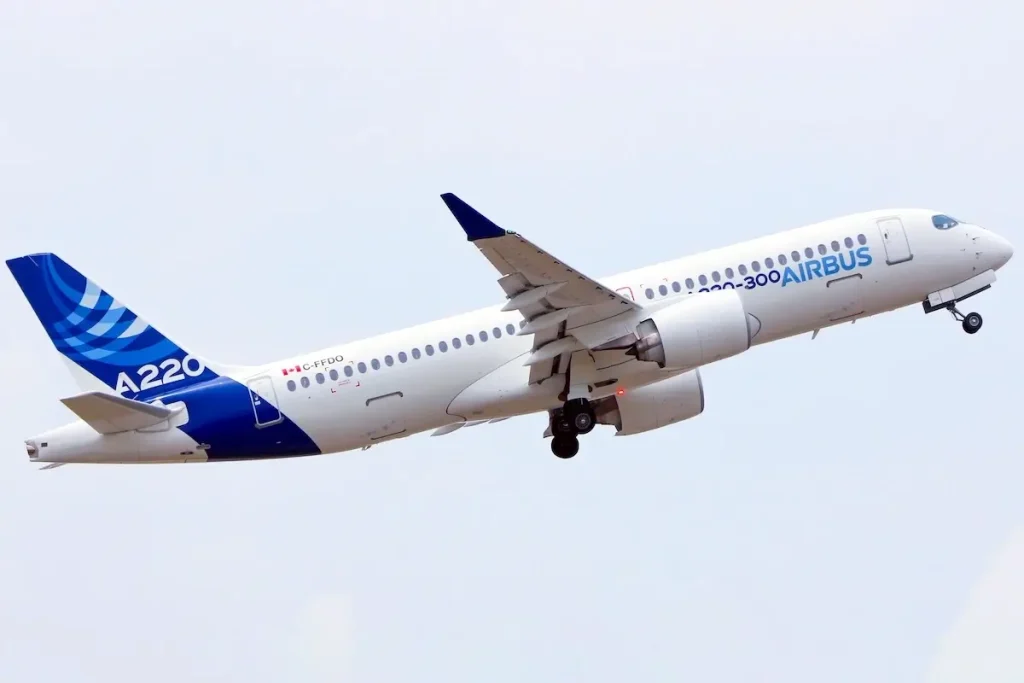
In late September, Air Austral said it was considering a future without the single-aisle jet due to difficulties it was experiencing and was instead turning to the likes of the 737 Max and A320neo for its operations.
While the A220’s perfromance metrics stack up for these operators, they are continuously on the ground, reaching a point where airlines look to cut their losses in a damage limitation move.
For a carrier like Air Austral, which operates a much smaller number of A220’s and has a fleet that isn’t at the scale of SWISS, the groundings are very visible and have a significant effect on the bottom line.
Additionally, Korean Air became the latest airline in April to discuss the impact of the engine woes on its A220 fleet, saying that, while its commitment to the program was not as strong as others’, it was still seeing groundings.
In April, fleet data showed that Korean Air had 40% of its A220s on the ground, forcing it to reshuffle its network to combat better the capacity shortage driven by the grounding.
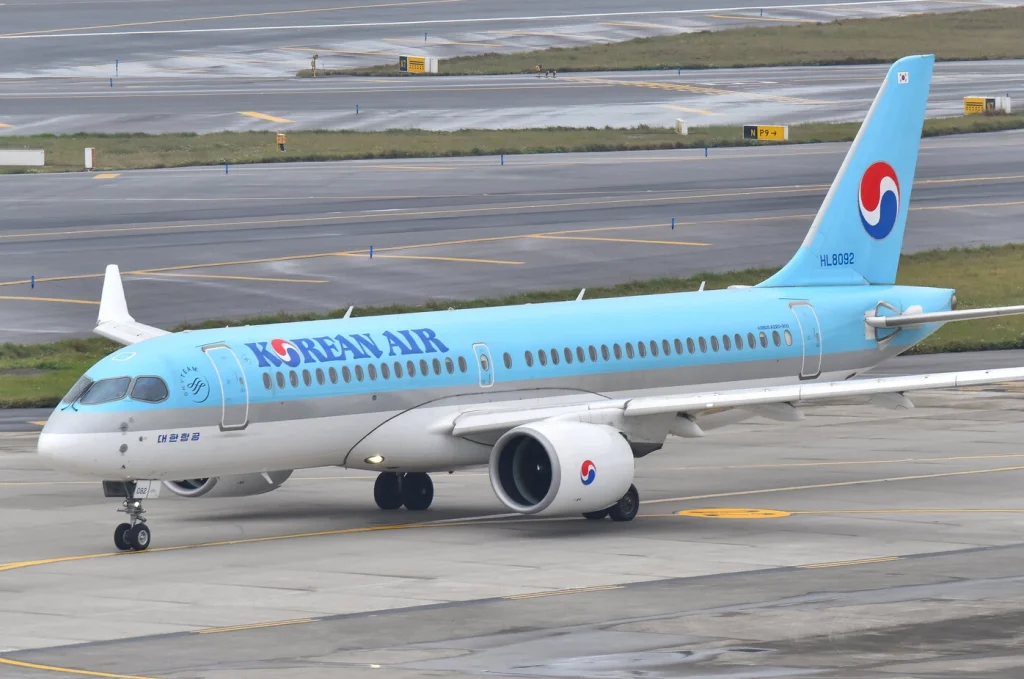
Korean Air, SWISS and Air Austral are just three of the many airlines affected by the Pratt & Whitney GTF crisis on the Airbus A220, and for a jet meant to be in its prime with operators, it’s on the ground, still battling long-standing issues.
For airlines such as airBaltic and Delta, which are relying heavily on the A220 product moving forward, continued pressure on the GTF engines is leaving them ever so slightly second-guessing their decisions.

ABOUT THE AUTHOR
Daniel Fowkes is a Melbourne-based aviation analyst and journalist with over a decade of industry experience. As founder of Dj’s Aviation, he delivers trusted analysis on aircraft, airline strategy and global aviation trends for djsaviation.net
Related Articles




Stay Informed
Get the latest aviation news, analysis and route updates delivered to your inbox.
We respect your privacy. Unsubscribe at any time.
Enjoyed this story?
Make us your go-to for aviation news
Add us as a preferred source on Google and see our latest stories first in Top Stories.
Add Us On Your News Feed