

The Airbus A220 is edging closer to losing a customer as ongoing issues persist, affecting the series.
Air Austral, from La Réunion, operates Airbus A220s, but its future with the aircraft is now teetering on the edge of collapse as the carrier explores options elsewhere.
La Tribune reports that the airline is exploring options beyond the regional jet, with the 737 MAX and A320neo viewed as more suitable alternatives.
Much of the frustration from Air Austral stems from the technical problems that are being experienced with the medium-haul fleet, and therefore, with no end in sight, and already a great deal of patience exercised, there’s the feeling that the only option now is to cut the losses and move forward with other options.
The technical problems centre around Pratt & Whitney engines, which continue to throw curveballs at A220 operators, among other aircraft in the A320neo family.
Air Austral stated that at this year’s edition of the Paris Air Show, it had held productive discussions with Pratt & Whitney regarding the ongoing GTF engine crisis and was assured that progress would be made in resolving the issue.
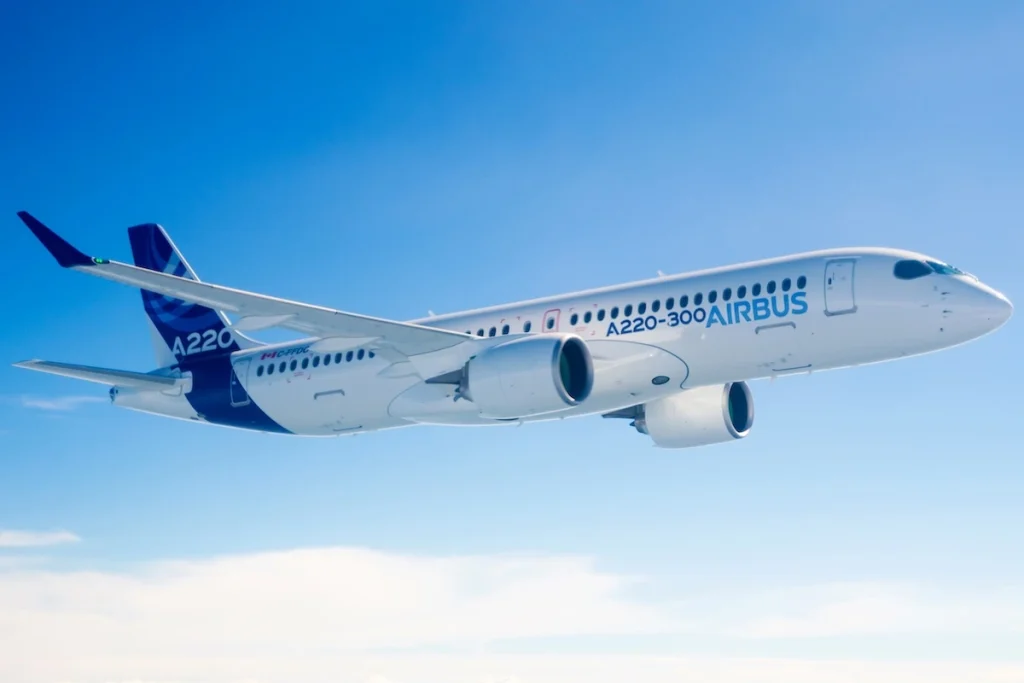
Now, many months down the line, Air Austral says that the improvement has not been evident enough, and to stabilise themselves as a company, they need to look at other options.
Air Austral’s fleet comprises three A220-300 jets, with registrations F-OLAV, F-OMER, and F-OTER. The A220-300s were delivered in July 2021, and fleet data shows that just one unit has been parked – OMER.
What this means for the carrier itself is a likely shift towards other models, with the airline’s executive stating that the successor will be either the A320neo or the 737 MAX, a decision that is still pending.
A Global A220 Problem
Air Austral’s decision to proceed with the cancellation of its A220 fleet is a dramatic measure being undertaken, but one that follows years of frustration.
Additionally, the struggles have been felt on a global scale, which has impacted airlines’ ability to operate with single-aisle aircraft, and the challenges have not been confined to one part of the world either.
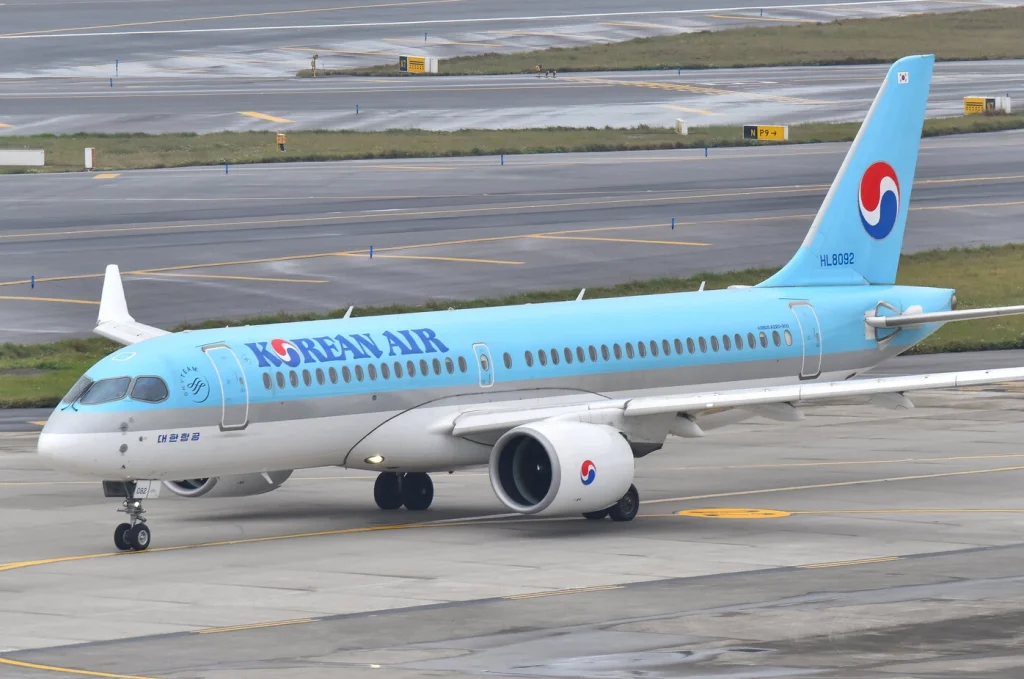
In April, Korean Air became the latest airline to experience challenges with its A220 fleet. The South Korean-based carrier, which had a minimal commitment to the jet, experienced groundings.
In April, 40% of the fleet was on the ground due to engine problems, forcing the necessary reshuffling of their operations with cancellations and delays, all of which occurred because of engine struggles.
Some airlines have struggled to secure replacement engines as their existing ones undergo maintenance. These spares are essential for keeping the aircraft flying, even without its original units, to a certain degree.
On the other hand, airlines have also experienced lengthy visits to their engines in maintenance facilities, with work running overtime considerably, thus hindering planned re-entry into service and network operations.
A lack of spare parts, resources, and maintenance backlogs, combined with damaged supply chains, has left airlines such as Korean Air with no choice but to temporarily ground A220s, and is now pushing Air Austral to say farewell to the regional jet.

ABOUT THE AUTHOR
Daniel Fowkes is a Melbourne-based aviation analyst and journalist with over a decade of industry experience. As founder of Dj’s Aviation, he delivers trusted analysis on aircraft, airline strategy and global aviation trends for djsaviation.net
Related Articles




Stay Informed
Get the latest aviation news, analysis and route updates delivered to your inbox.
We respect your privacy. Unsubscribe at any time.
Enjoyed this story?
Make us your go-to for aviation news
Add us as a preferred source on Google and see our latest stories first in Top Stories.
Add Us On Your News Feed