

It’s bad news for the Boeing 777X yet again, with concerns arising over a possible slip in the launch date of the upcoming widebody program.
Kelly Ortberg, the Chief Executive Officer of Boeing, when speaking at Morgan Stanley, said that there was much work still needed to be done to get the certification of the 777X completed.
The mountain of work, as it’s being described, is now facing a possible further delay as Boeing openly admits that it’s falling behind schedule in getting the new long-haul jet certified.
A minor schedule delay is likely being factored in. While no confirmation has arisen for what the minor delay would look like, there are already concerns from analysts that this could force an approval to stretch into 2027.
What a possible 2027 approval means is that first deliveries would follow only after that; as a result, some airlines may not launch scheduled passenger flights with the widebody until 2028, eight years after the plane was meant to enter service.
For Boeing, falling behind once more on the approval process of the 777X spells bad news for its financial perfromance, just as improvements were beginning to be felt across other aircraft programs with the temperature rising on this new jet.

Pressures also coming from airlines will begin to be felt, with any fresh delay further throwing off expected delivery timeframes and launches. A new possible delay is also coming during a period in which frustrations from airlines had begun to cool.
The Most Recent 777X Delays
According to Boeing’s most recent guidance, certification and first delivery were to be pushed back to 2026. This was confirmed at the end of 2024, when the planemaker revealed that a 2025 approval and delivery would not be realistic.
However, the sheer scale of work still required to get the 777X certified, despite meaningful progress being made in the last few months alone, with test flights being conducted and phases of certification being cleared, is still not enough.
All these delays are considered in light of the original expected launch date of 2020; therefore, now five years on, the aircraft remains uncertified and has yet to operate a scheduled passenger flight.

What this means for airlines is a catastrophic impact on their fleet planning and financial performance, necessitating the retention of older, less efficient aircraft, which are also on a much larger capacity scale, in an effort to mitigate the blow from the lack of 777X deliveries.
For airlines such as Emirates and Lufthansa, there has been a persistent shift in forecasting, accompanied by equally public frustrations about the continued missed timeframes from Boeing for the launch of this jet.
Now, with Ortberg, who has been appointed to the mammoth task of turning around the planemaker, which has seen meaningful progress in, but is equally wrestling to certify remaining jets, confirming that they’re behind, the 777X launch could likely come seven to eight years after initial expectations.
While new aircraft launches are not typically smooth, and all new planes encounter some form of delays, such as what was visible most recently with the year-long-plus delayed entry into service of the A321XLR, the length of the delay for the 777X has been colossal.
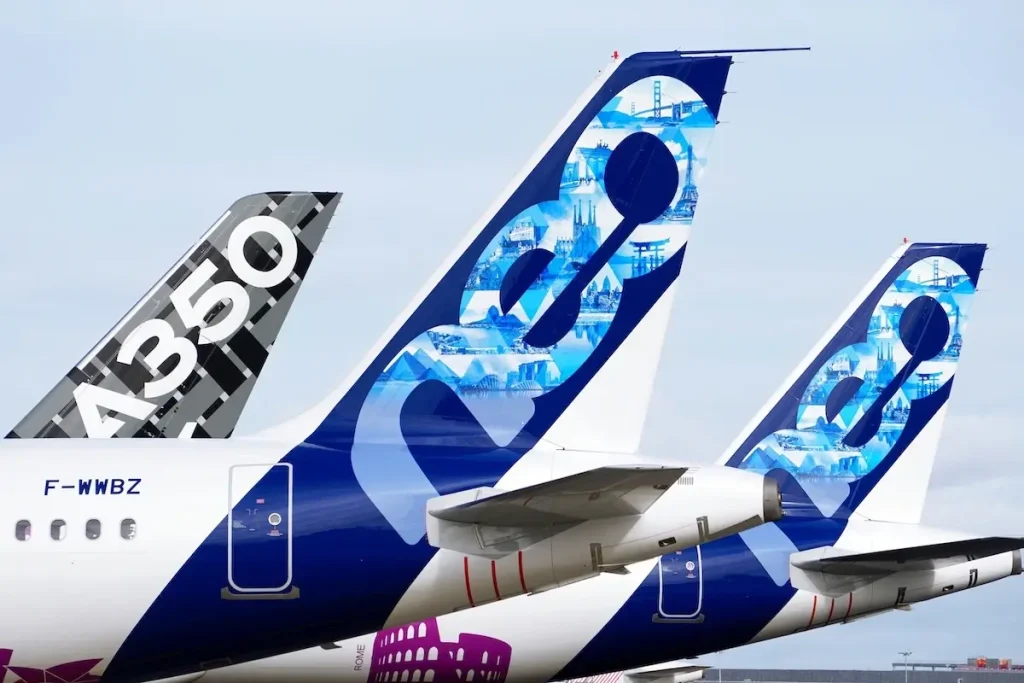
By the time the 777X operates a scheduled passenger flight, it will have likely been 15 years between the launch and first passenger flight, a major period of time that has left airlines and onlookers frustrated.

ABOUT THE AUTHOR
Daniel Fowkes is a Melbourne-based aviation analyst and journalist with over a decade of industry experience. As founder of Dj’s Aviation, he delivers trusted analysis on aircraft, airline strategy and global aviation trends for djsaviation.net
Related Articles




Stay Informed
Get the latest aviation news, analysis and route updates delivered to your inbox.
We respect your privacy. Unsubscribe at any time.
Enjoyed this story?
Make us your go-to for aviation news
Add us as a preferred source on Google and see our latest stories first in Top Stories.
Add Us On Your News Feed