
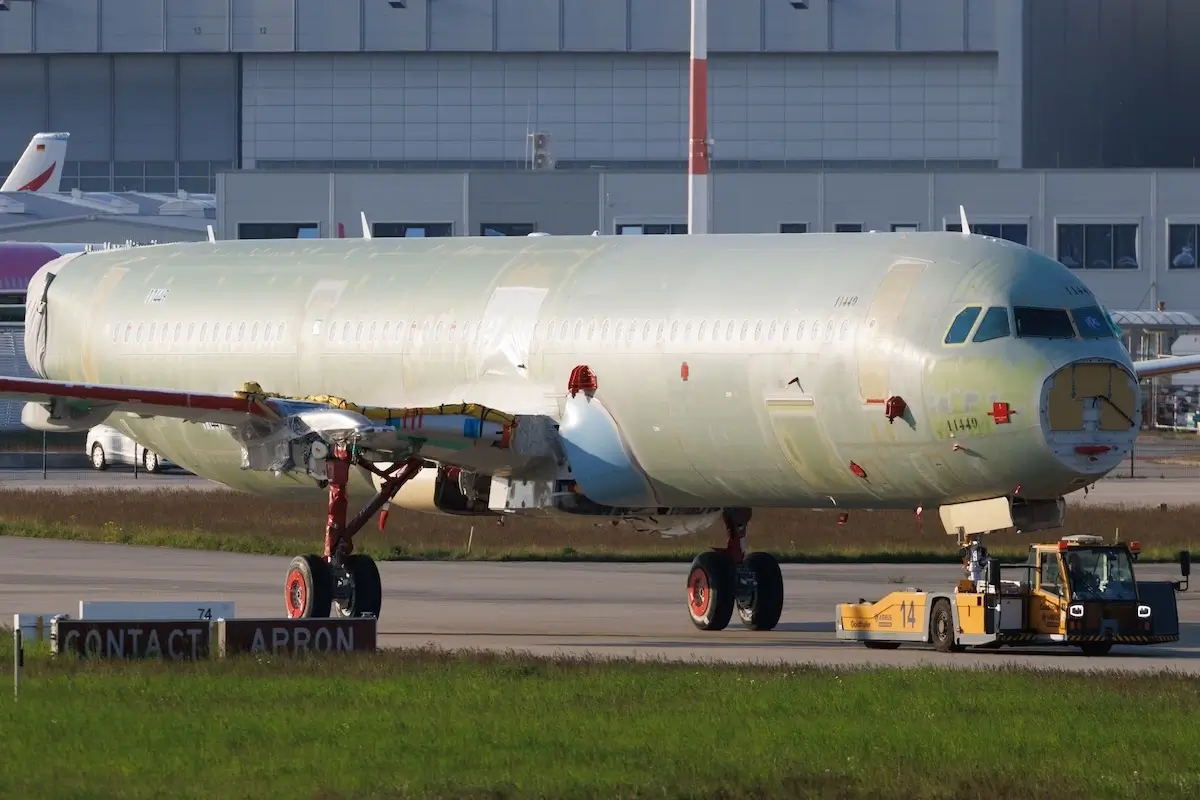
The Airbus A320 family, including the newly delivered A320neo at Russian carrier Ural Airlines, is facing challenges.
The Russian carrier, which published its half-year results, discussed that its traffic decline is beginning to worsen as it faces airworthiness challenges with the A320neo.
Passenger figures reduced by 7% in comparison to the same period in 2024, and as a result, its market share across the country it calls home was also further reduced.
Driven by supply chain woes only worsening because of sanctions affecting the commercial aviation scene in Russia, the ability to maintain the A320neo has become more complex.
Ural Airlines states that the mounting challenges concern maintenance with Western OEMs and MRO providers not being able to provide the necessary parts and/or relevant software updates to keep the A320neo fleet, in this case, active and reliable for the business.
What this forces Ural Airlines to do is something not all that unfamiliar to the Russian aviation scene across recent years, and that includes the cannibalisation of existing airframes in order to preserve specific fleet types.
More often than not, the cannibalisation will see airlines strip key parts of older airframes or even newer ones in order to maintain a somewhat active fleet due to the challenges surrounding their maintenance.
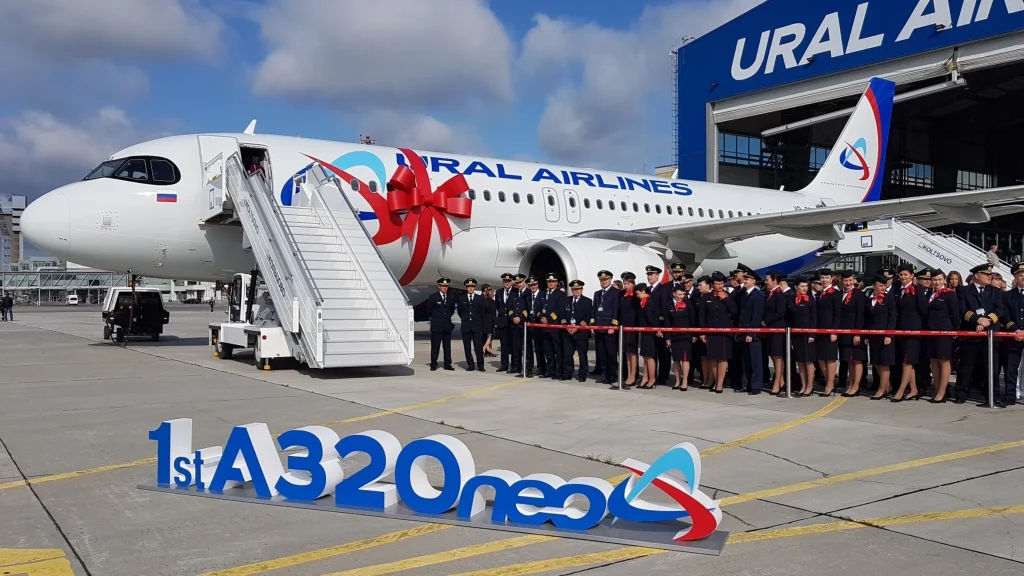
While Russia has deals with specific locations around the world that have seen maintenance conducted, this does not alleviate all the complexities of maintaining a fleet of commercial aircraft, which is exactly why many analysts have questioned the safety integrity for this part of the industry.
The A320neo Family Engine Problem
For Ural Airlines, the maintenance centres around the engine issues, driven by Pratt & Whitney; this is a known industry problem, but while already being challenging enough to resolve for a Western airline, it is ten times more complex for someone in Russia facing sanctions.
These engines require important shop visits and performance upgrades in order to keep the aircraft flying in a healthy manner, but achieving this is nearly impossible because these necessary matters are inaccessible due to the sanctions.
Fleet data shows that there are now five of the company’s Airbus A321neos on the ground, with three A320neos in its name. The greater reliance is still on the current engine option of the A320-200 and A321-200, however.
To help mitigate some of the challenges surrounding the new-engine option, the carrier is looking to continue flying the older current engine option models across the A320 family for a longer period, something many airlines have decided to do to help mitigate the engine crisis.
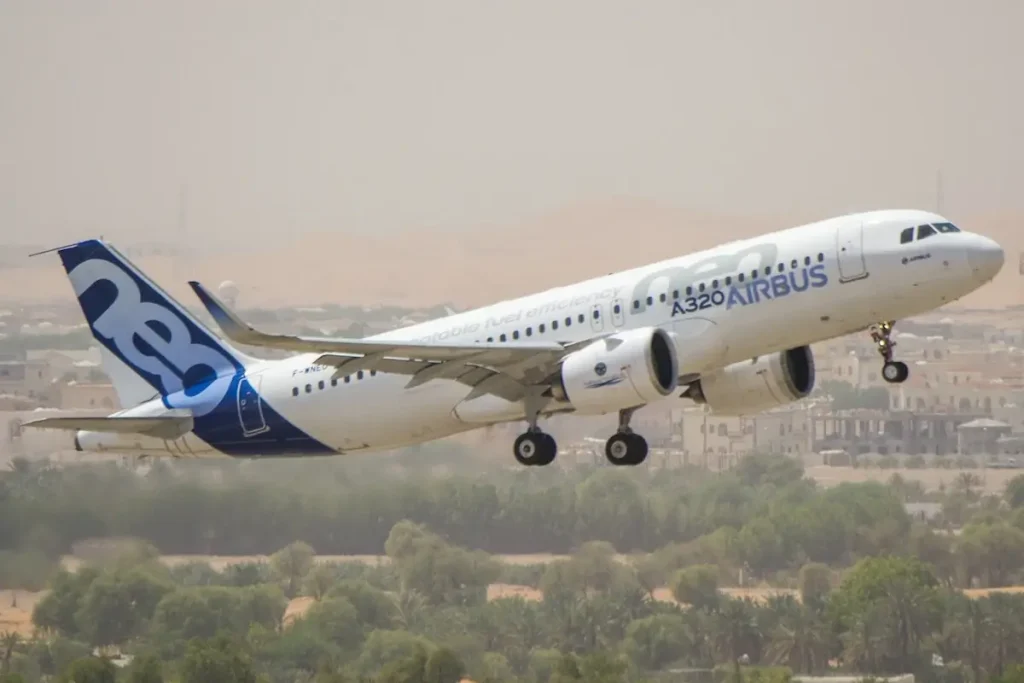
The Pratt & Whitney engine saga has been brutal, taking no prisoners. Whether it be Ural Airlines or Spirit Airlines, the impact has been profound and detrimental to the day-to-day operations of these companies.
In 2023, RTX said that a large number of GTF Pratt & Whitney-powered engines need accelerated removals and inspections, focusing on the A320neo family.
What was considered to be a rare condition surrounds the power metal used in the manufacturing of certain engine parts that, at that point, required an inspection. However, the number of inspections across recent years has increased significantly, which is exactly where the problems have arisen further.

ABOUT THE AUTHOR
Daniel Fowkes is a Melbourne-based aviation analyst and journalist with over a decade of industry experience. As founder of Dj’s Aviation, he delivers trusted analysis on aircraft, airline strategy and global aviation trends for djsaviation.net
Related Articles




Stay Informed
Get the latest aviation news, analysis and route updates delivered to your inbox.
We respect your privacy. Unsubscribe at any time.
Enjoyed this story?
Make us your go-to for aviation news
Add us as a preferred source on Google and see our latest stories first in Top Stories.
Add Us On Your News Feed