

Southwest is continuing with the retirement of Boeing aircraft as part of its transition efforts towards the next-generation 737s.
In the U.S. carrier’s latest quarterly performance report, it confirmed that seven Boeing 737-700s were retired in the second quarter as part of the renewal.
With Southwest welcoming 17 Boeing 737-8 jets, the fleet at the end of the second quarter totalled 810 aircraft.
The fleet size enabled the airline to achieve a 1.6% year-over-year increase in capacity across the quarter. This capacity rise was in line with the previously disclosed guidance range.
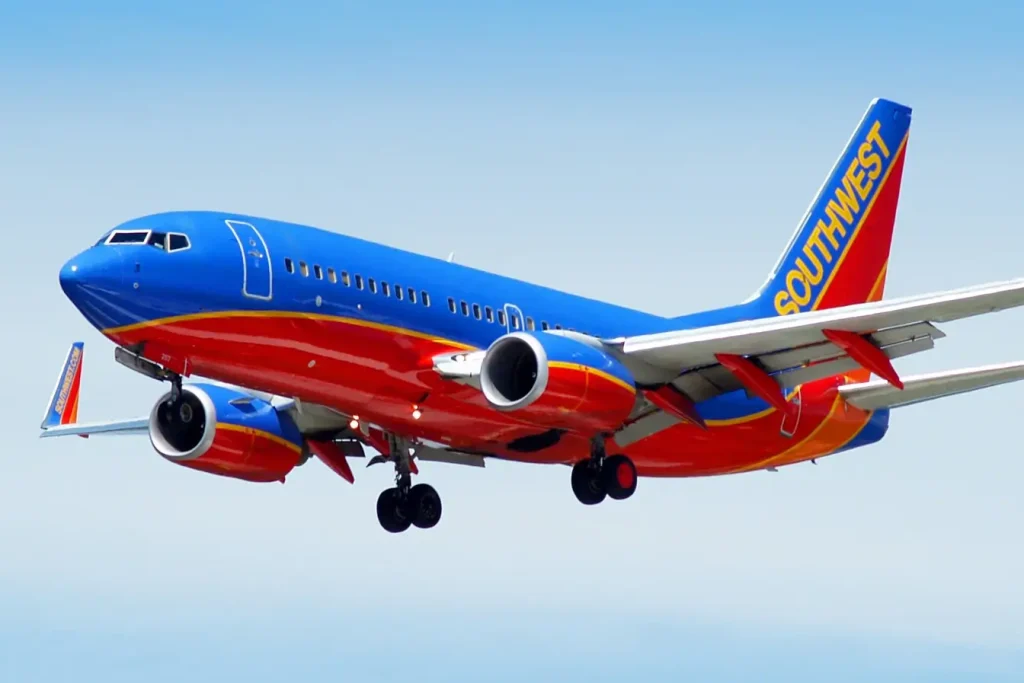
Southwest solely relies on the 737 family to power its fleet, and on the chopping block is the smallest member in its fleet, the 737-700, with the continued retirement of this type occurring every quarter.
Based on fleet data, the 737-700 is still the largest by number, with 319 as of July 23, 2025. This does not include units also listed as parked, bringing the total to 333.
The 737-700s, however, average an age of 19.4 years. This is approximately 10 years older than the 737-800s in operation and almost two decades older than the average age of the continuously delivered 737 MAX.
With more quarterly retirements, Southwest has adjusted yearly estimates to an approximate retirement of 55 planes across 2025. This is up from the previous figure of 50.
What will be crucial for the retirement of some of its older aircraft is the delivery of new ones. The numerous complications that have arisen in recent times with deliveries have made the transition challenging.
Looking Ahead For Southwest
For Southwest, the remainder of 2025 will focus on continued capacity reduction, confirmed proactively across the second half of the year to accommodate the current demand environment.
The carrier also stated that the decision to cut capacity will result in cost savings; despite this, capacity is expected to remain roughly 1% higher year over year across the full year 2025.
Southwest, in its quarterly release, said this is entirely driven by a strict focus on utilising their fleet in a far more optimal manner than ever before, all part of the new era unfolding at the carrier.

This new era has brought changes to the cabin, featuring premium seats and introducing seat assignments. The use of planes has also undergone significant changes with the introduction of redeye flights, and the turnaround time for journeys has been reduced to keep planes in the air more frequently.
Regarding the airline’s future fleet, a total of 47 Boeing 737-8 deliveries are planned. As production ramps up, this represents an increase from the previous estimate of 38 jets.
Southwest would not be the first airline to begin forecasting improved delivery rates of new aircraft from the American planemaker, with up-and-coming Akasa Air also expecting something similar.

ABOUT THE AUTHOR
Daniel Fowkes is a Melbourne-based aviation analyst and journalist with over a decade of industry experience. As founder of Dj’s Aviation, he delivers trusted analysis on aircraft, airline strategy and global aviation trends for djsaviation.net
Leave a Reply
Related Articles




Stay Informed
Get the latest aviation news, analysis and route updates delivered to your inbox.
We respect your privacy. Unsubscribe at any time.
Enjoyed this story?
Make us your go-to for aviation news
Add us as a preferred source on Google and see our latest stories first in Top Stories.
Add Us On Your News Feed
Looking forward to the start of paying for your seat. I applaud southwest for finally realizing the abuses by pre- boarders. Hopefully the miracle flights will be a thing of the past..nothing like seeing 20 pre- boarders with their escorts going before A-listers and grabbing the best seats. Southwest be came the Greyhound of the skies for three decades. Now, thank god, they woke up. I will now look forward to returning to southerst as a loyal customer.
Eliminating seat assignments? No, they are BEGINNING to assign seats.
Author
Corrected, sorry : )
I remember flying Southwest when they only had three jets.
I miss the antics of (1967) by Herb Kelleher.
Are they changing to Airbus or phasing out completely?