
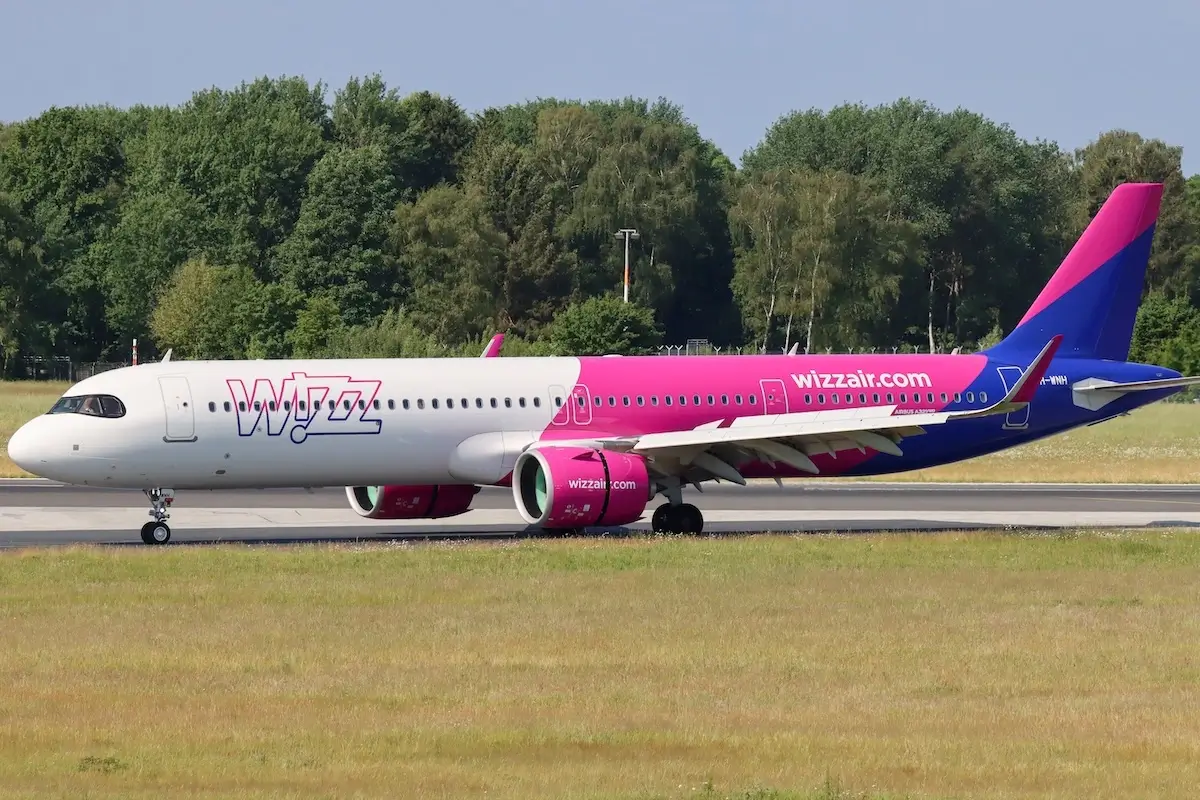
Wizz Air has published its full-year results and provided updates on the continued evolving situation surrounding aircraft groundings.
The budget European carrier’s challenges with keeping its fleet of next-generation Airbus aircraft active have been a talking point for several months.
At the beginning of 2025, following confirmation that groundings would continue this year, it shared a more negative outlook, expecting that many planes would remain parked for at least the next four to five years.
Based on this estimate, while Wizz Air believed the situation would improve, jets would be grounded until at least the 2029/2030 period.
These groundings have all been driven by the continued struggles with the Pratt & Whitney Geared Turbo Fan Engines, also commonly referred to as GTF.
The engines are present across several aircraft types, but most notably for Wizz Air, it’s their usage of the A320neo family, which has directly affected them. Given the importance of the new engine options, it has been hard to ignore.
In the airlines’ latest filing, it confirmed that the percentage overall of aircraft on the ground relative to the total fleet is showing signs of improvement. However, this doesn’t mean it’s clear of the struggles yet.

In terms of data, 42 aircraft were on the ground at the end of F25, 37 as of 9 May 2025, and they expect approximately 34 aircraft will be grounded by the end of H1 26.
Positives For Wizz Air Exist
While the number of planes on the ground remains substantial, Wizz Air has seen visible improvements in other key areas, helping to mitigate some of the stresses it would have faced.
For example, it has received delivery of 26 new Airbus A321neo jets, alongside the delivery of 14 spare GTF engines during F25 in a bid to mitigate the impact on its grounded planes and still offer reliable capacity.
Moreover, in an era where Airbus continues to broadcast the delivery delays surrounding its new commercial airplanes, Wizz Air has weighed in on what it’s seeing.
The budget carrier says that while its delivery schedule has been amended and the fleet is forecasted to grow, its delivery rates have been improving over time, which has been encouraging.
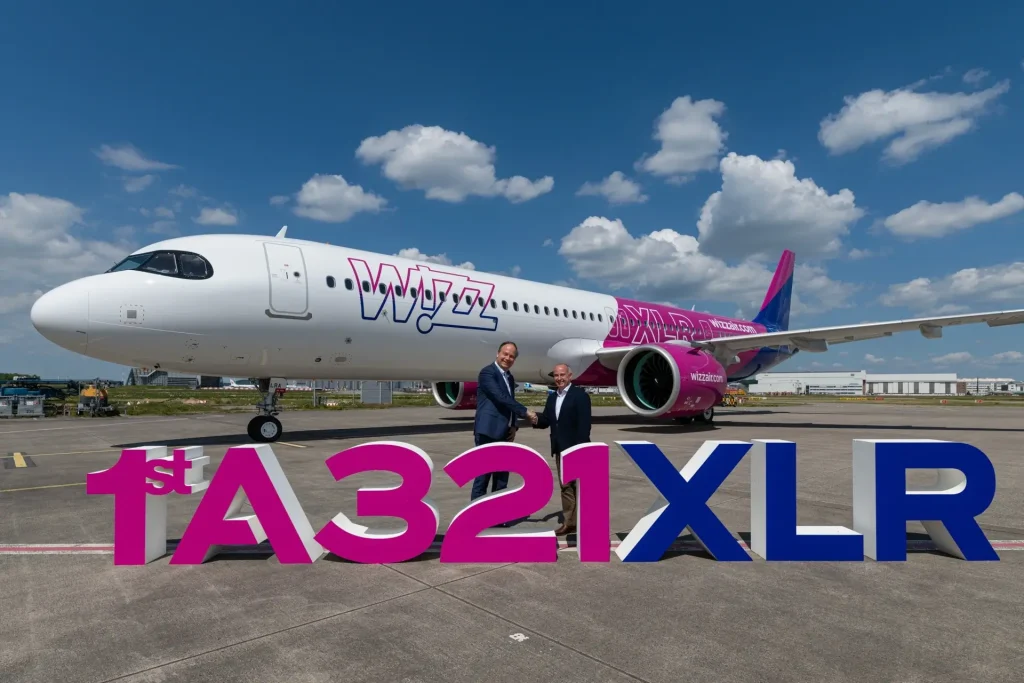
ASK capacity has also grown back, which Wizz Air is pleased with, and this has only been possible thanks to the increase in delivery volume.
Ultimately, while challenges will remain and must be navigated, Wizz Air has been taking other noticeable steps to mitigate the overall impact and ensure it’s not all doom and gloom.

ABOUT THE AUTHOR
Daniel Fowkes is a Melbourne-based aviation analyst and journalist with over a decade of industry experience. As founder of Dj’s Aviation, he delivers trusted analysis on aircraft, airline strategy and global aviation trends for djsaviation.net
Related Articles




Stay Informed
Get the latest aviation news, analysis and route updates delivered to your inbox.
We respect your privacy. Unsubscribe at any time.
Enjoyed this story?
Make us your go-to for aviation news
Add us as a preferred source on Google and see our latest stories first in Top Stories.
Add Us On Your News Feed