
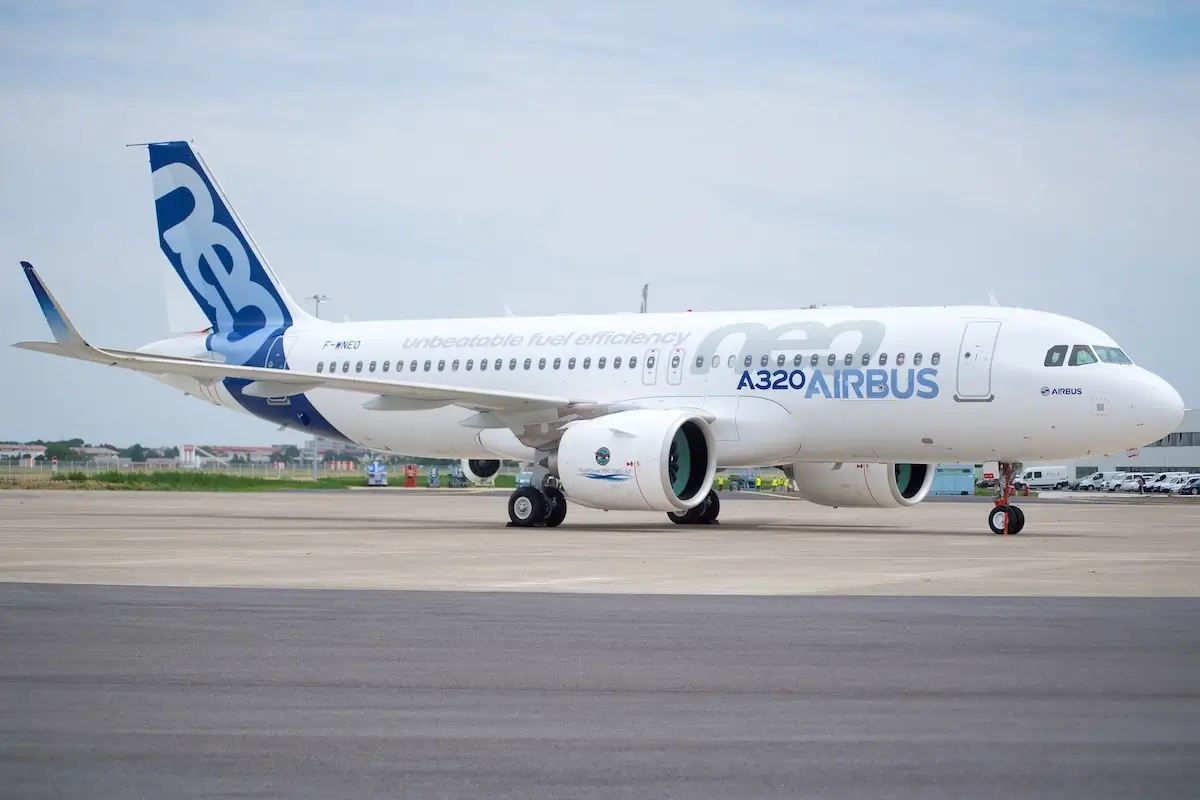
Airbus has had a busy few days, and this trend is set to continue with a fresh order placed for the A320neo family.
The deal comes from BOC Aviation, a leading aircraft lessor, which has entered into an agreement with Airbus for the purchase of nine new aircraft.
As part of the deal, a significant focus is placed on the A320neo family, as the lessor aims to deliver these planes to Gulf Air in the future. All the recently purchased aircraft will be deployed to the company on a long-term lease.
Included in the order are the purchase of six A320neo base models and three of the higher-capacity A321neo aircraft, allowing Gulf Air to benefit from the best of both worlds and achieve an optimal balance in its operations.
The planes are expected to enter the Gulf Air fleet sooner rather than later, with BOC Aviation confirming that deliveries will commence as early as this year, 2025, and continue thereafter.
Gulf Air is pleased with the agreement it has reached to increase its flying of the A320neo family. Thanks to this latest deal, the two aircraft types ordered are already part of the fleet.
Fleet data shows the airline has 12 Airbus A321neo models in its fleet, two of which are also listed as parked, bringing the total to 14 with an average age of just 2.4 years.
Meanwhile, there are six delivered Airbus A320neo base models, averaging approximately 5.9 years of age. However, based on the latest fleet data published nine days ago, five of the planes are active, with one listed as parked.

Ultimately, Gulf Air confirms that the partnership with BOC Aviation should indicate the direction it hopes to head in the future, with a greater focus on modernising its day-to-day operations and expanding possibilities for its route network.
High Demand For The A320neo Family
The Airbus A320neo family continues to experience rising demand levels, with airlines requiring the family’s capabilities for their single-aisle operations.
As more and more carriers begin to say farewell to their 737NGs and A320ceo jets, Airbus is presenting its new engine option as a possible alternative.
Further expansion of the family, as seen in the A321XLR, has changed the landscape even more for the planemaker and airlines choosing to renew their fleets.
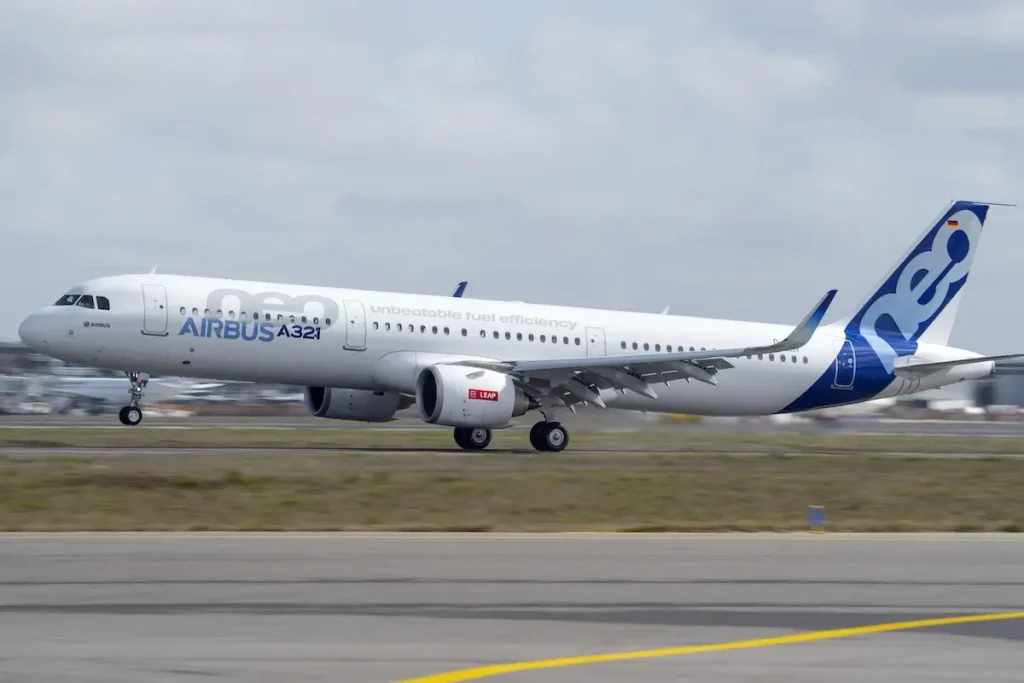
While airlines continue to purchase planes from the A320neo family, the persistent struggle remains to work through an extensive backlog, given the many challenges present in the aviation industry.
Airbus has confirmed that it will likely continue to see delivery delays until 2028 as it struggles to increase output rates amid complexities in acquiring key parts, such as engines, seats, and even the fuselage.
Despite this, airlines around the world need to grow and renew their fleets as they prepare for short-term growth, while also securing deliveries for the 2030s, as slots begin to be snapped up.

ABOUT THE AUTHOR
Daniel Fowkes is a Melbourne-based aviation analyst and journalist with over a decade of industry experience. As founder of Dj’s Aviation, he delivers trusted analysis on aircraft, airline strategy and global aviation trends for djsaviation.net
Related Articles




Stay Informed
Get the latest aviation news, analysis and route updates delivered to your inbox.
We respect your privacy. Unsubscribe at any time.
Enjoyed this story?
Make us your go-to for aviation news
Add us as a preferred source on Google and see our latest stories first in Top Stories.
Add Us On Your News Feed