

Delivery delays aren’t expected to ease any time soon, as Airbus confirms that these struggles will persist for years to come.
The planemaker, according to industry reports, is now warning airlines that its delivery delays run far deeper than initial forecasting, as backlogs grow and supply chain constraints continue to affect the company’s ability to maintain healthy output rates.
In fresh reporting, the expected struggles in delivering new commercial aircraft are expected to continue deep into 2028, with some airlines even preparing for it to extend beyond this.
For customers scheduled to take delivery of new planes in 2025, they should already anticipate delays of several months, which will disrupt their previously outlined renewal and growth ambitions.
While some airlines have begun to adopt a more positive outlook on the situation, others have noticed no improvement and remain sceptical, adopting a more cautious approach to the problem at hand.

Airbus has already confirmed its intention to increase production of key aircraft programs. This will be necessary if the planemaker is to work through its backlog, but when this occurs for many programs remains to be seen.
Suppose Airbus cannot navigate through numerous delivery delays until nearly the end of the decade. In that case, it will represent one of the most disrupted decades in the company’s history and ultimately one to forget.
What Is Happening At Airbus?
Since the COVID-19 pandemic, Airbus has faced significant supply chain challenges, resulting in the delivery of planes at a rate significantly below what was expected by the midpoint of the 2020s.
Those supply chain constraints don’t centre around one specific area, but rather a handful of places, and this makes everything all the more challenging to navigate.
One area that has been a focus is the acquisition of engines from key providers, such as Pratt & Whitney. An inability to get engines on time has resulted in delays in the installation process for new planes, further slowing down the delivery to airline customers.
However, it doesn’t stop at engines; Airbus has also mentioned that it has faced delays in acquiring key fuselage parts, which arguably have an even bigger impact on production capabilities than engines.
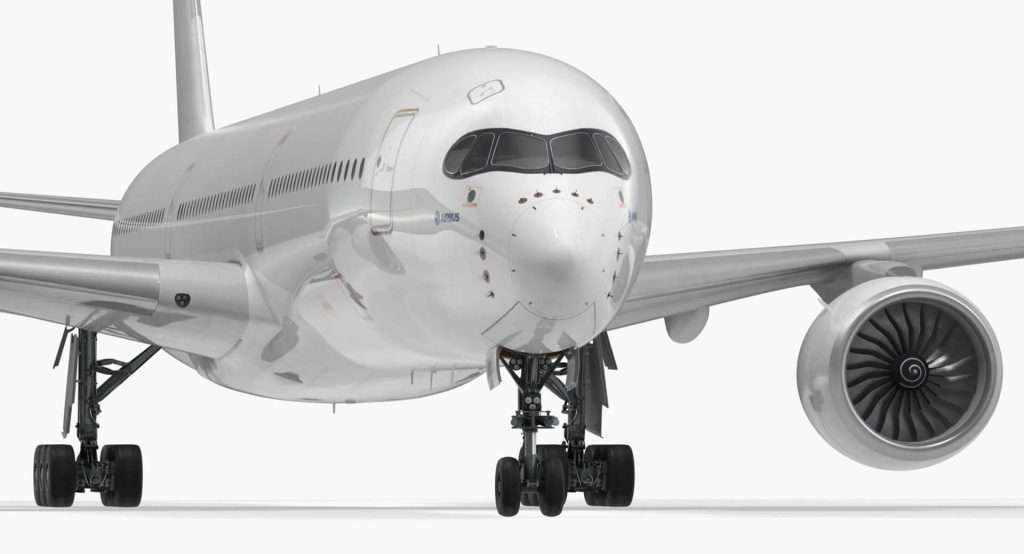
Time and time again, the delayed delivery of engines to aircraft manufacturers results in completed planes sitting outside, awaiting their engines. However, when there are delays in fuselage parts, it can disrupt the entire production floor.
Lastly, Airbus has also expressed its challenges in acquiring even seats, so even if a specific aircraft is complete, it still can’t be shipped to the airline it’s destined for due to complexities in completing the cabin.
All in all, it has been a tough last few years for Airbus, and now that is expected to continue. Working to manage the delays is crucial, but only so much can be done.

ABOUT THE AUTHOR
Daniel Fowkes is a Melbourne-based aviation analyst and journalist with over a decade of industry experience. As founder of Dj’s Aviation, he delivers trusted analysis on aircraft, airline strategy and global aviation trends for djsaviation.net
Leave a Reply
Related Articles




Stay Informed
Get the latest aviation news, analysis and route updates delivered to your inbox.
We respect your privacy. Unsubscribe at any time.
Enjoyed this story?
Make us your go-to for aviation news
Add us as a preferred source on Google and see our latest stories first in Top Stories.
Add Us On Your News Feed
they should turn to China to supply fuselage and seats excetera. This could be swapped for engines ex CFM
No, they can’t. Ursula vd Leyen will get money for her pocket. She is a very corrupt criminal. Only the US companies paid her regular for deals. Lol
I would have expected supply problems caused by COVID too continue for some years, but Trump’s seesawing tariffs are probably adding to their issues.