

The Airbus A380 production ceased in 2021, and its second-hand market has been non-existent since conception, but British Airways nearly changed that fate.
The U.K.-based carrier, towards the latter stages of the 2020s and before the emergence of the COVID-19 pandemic, briefly looked towards adding more A380s to its business.
But why would British Airways take the risk with a wildly out-of-favour, high-capacity plane in an era where airlines were looking to axe the aircraft rather than increase their commitment?
A Love For The Airbus A380
British Airways has 12 Airbus A380s to its name, as of fleet data published on April 19, 2025. 11 of these are active, with one unit listed as parked for maintenance.
The airlines’ A380 fleet ranges from 9.2 to 12.4 years of age, representing the mid-point of a plane’s typical lifespan in the industry.
While typically workhorses such as the 757 and 767 have been capable of staying in airlines’ fleets for around three decades, aircraft like the A380 are not expected to have a similar fate.
British Airways has effectively leveraged the A380’s capabilities from its home base at London Heathrow.
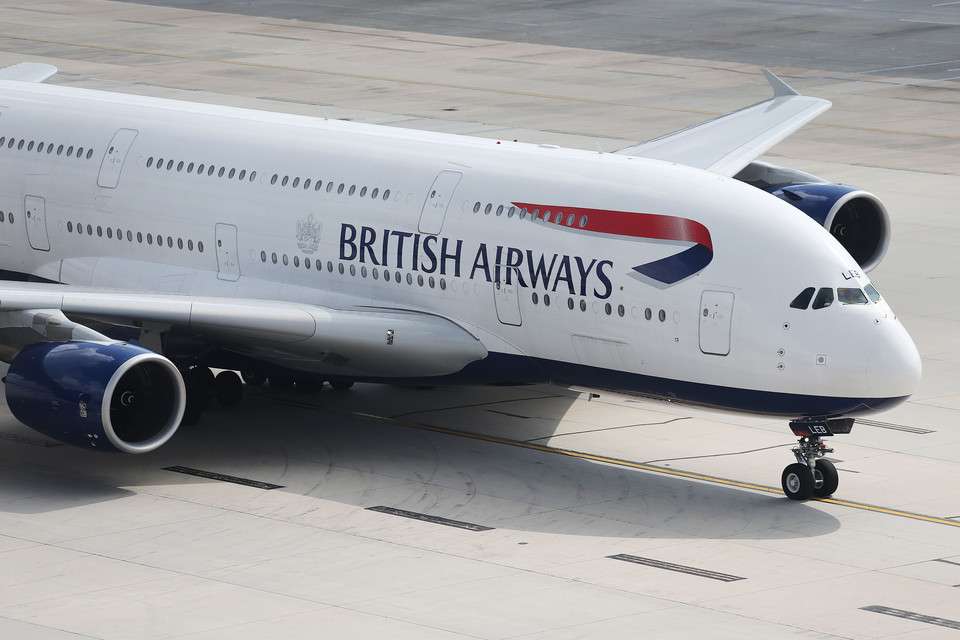
Using the more traditional hub-and-spoke model, which is effective with the A380 type, if demand is present, the company operates the world’s largest passenger plane in the busy global market.
Having 12 A380s still in its name represents a colossal rebound following the COVID-19 pandemic, when every airline parked the superjumbo in a bid to improve its financial position, and not all airlines returned the type to service.
That fleet of 12 units, however, could have grown to as many as 18 if the airline had pursued its interest in reporting, which was noted towards the latter stages of the 2010s.
More Airbus A380s For British Airways?
Reporting led by Bloomberg indicated that British Airways was keen on growing its commitment to the A380 with additional units to join the fleet.
The reporting changed as the years progressed, with the first suggestion being that the second market was of interest to British Airways, involving the acquisition of six or seven used units.
However, by the time 2018 arrived, that reporting had changed, and the airline was more looking towards brand-new, fresh off the factory A380s in what would be a major boost for the planemaker.
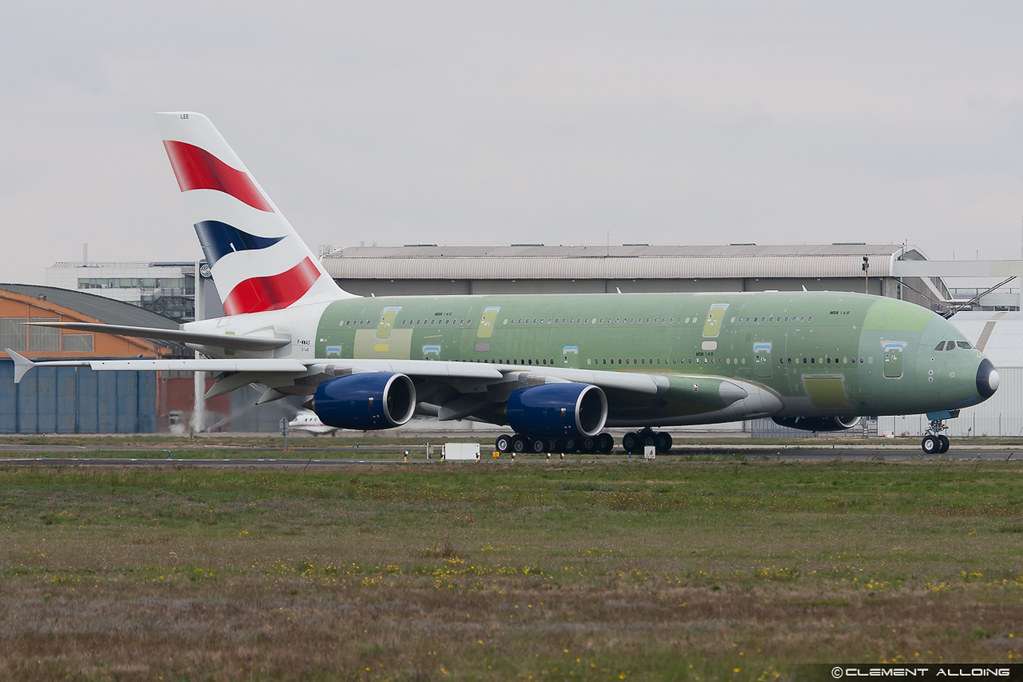
Looking back to the latter stages of the 2010s, Airbus was all but giving up hope of attracting new commercial orders for its A380 program, having made several sales pushes to airlines that ultimately failed.
While the deal never eventuated, there were still some core reasons as to why it was explored as an option.
But Why Would British Airways Want This?
Adding more Airbus A380s to the British Airways fleet largely stemmed from a means to better balance its operation out of London Heathrow.
This airport serves as its primary hub and is also one of the most slot-constrained in the world. Because of this, acquiring new slots to expand has proven challenging for even an airline with as significant a presence as British Airways.
As seen in other global markets, one way to combat this would be to boost capacity through higher-capacity aircraft, such as the A380, on existing services rather than launching new ones, which would be incredibly challenging due to the limited availability on a day-to-day basis.
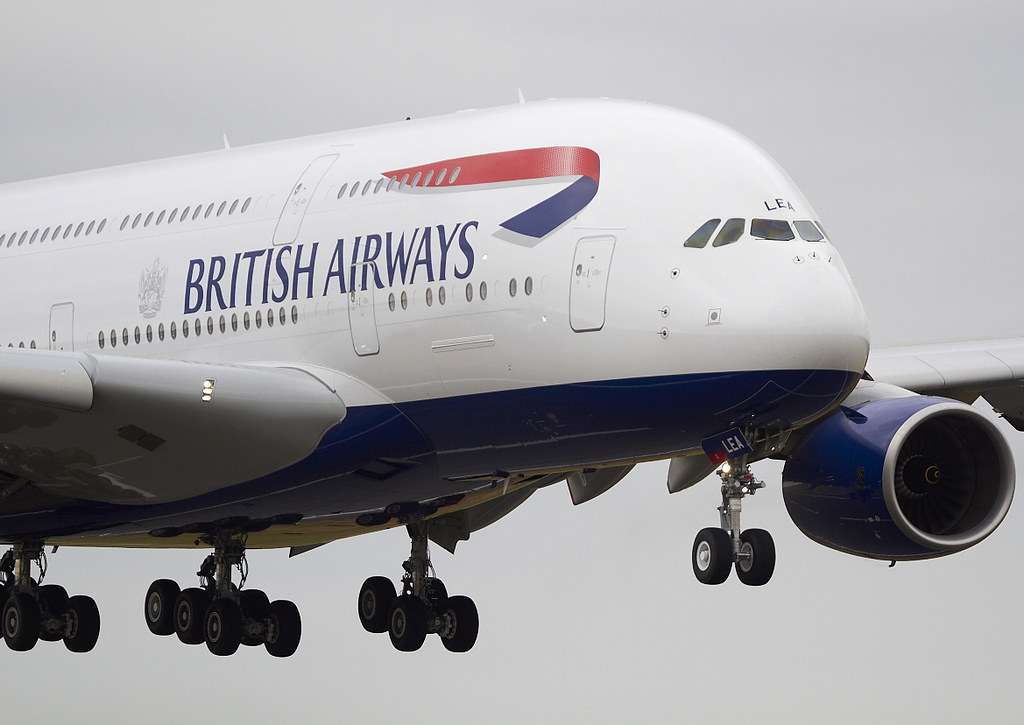
However, while this may seem like a logical choice, there is still more to it than that. For British Airways, after much analysis, it was deemed that acquiring additional units would not be the right decision moving forward.
While the A380 experienced a resurgence in the mid-2020s, albeit for most as a short-term solution, had British Airways proceeded when it did, some 12 months later, the arrival of the COVID-19 pandemic would have rendered those plans obsolete.
Other stumbling blocks were the costs associated with the acquisition efforts; British Airways needed to ensure the investment was worthwhile. Willie Walsh, then the CEO of the International Airlines Group, stated that if they could secure the right price, proceeding with the deal would make sense.
However, time and time again, it became evident that there were significant gaps between British Airways and Airbus on the price point for a new order. Thus, the deal collapsed before it could materialise fully.
The Lack Of Appeal
Ultimately, the fate of the A380 was not a surprise to many, considering the numerous challenges the series faced in the latter stages of the 2010s.
Analysts and observers argue that the A380 arrived at a turning point in the industry when focus began shifting towards twin-engine planes. However, British Airways was one of the few that expressed interest beyond their initial order.
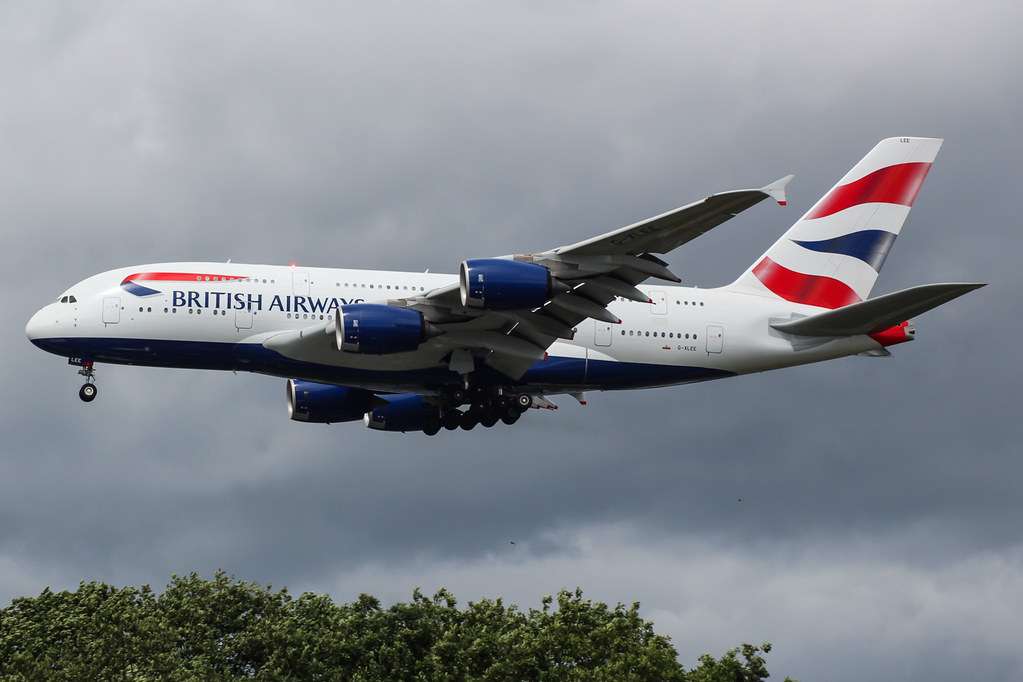
For many reasons, likely to be the right ones, the deal never materialised, whether through the second-hand market or factory-produced types.

ABOUT THE AUTHOR
Daniel Fowkes is a Melbourne-based aviation analyst and journalist with over a decade of industry experience. As founder of Dj’s Aviation, he delivers trusted analysis on aircraft, airline strategy and global aviation trends for djsaviation.net
Related Articles




Stay Informed
Get the latest aviation news, analysis and route updates delivered to your inbox.
We respect your privacy. Unsubscribe at any time.
Enjoyed this story?
Make us your go-to for aviation news
Add us as a preferred source on Google and see our latest stories first in Top Stories.
Add Us On Your News FeedRelated articles
· Airlines
Allegiant Air Buys Six More 737-8s From Boeing
Daniel Fowkes
26/10/2026
· Airlines
Emirates vs Qatar Airways: The Gulf Superhub Rivalry Compared
Bryan Shelmon
26/10/2026
· Airlines
Riyadh Air Is Moving Away From Riyadh
Daniel Fowkes
26/10/2026
· Airlines
Emirates Isn’t Worried At All
Daniel Fowkes
25/10/2026