

The Airbus A350-800 was unveiled as a core part of the A350 XWB family at the time of the program’s launch.
The aircraft, designed to cater to the mid-sized, long-range aircraft market, held much promise and attracted some interest but not the same as other variants.
While initially considered a promising addition to Airbus’ lineup, the A350-800 was ultimately shelved amid challenges and other opportunities alongside overlaps.
But what was the A350-800? Why was it launched only to be cancelled, and were all the decisions made the right ones with hindsight?
Introducing The Airbus A350-800
The A350-800 was designed as the smallest variant of the A350 XWB family, positioned initially in an ideal manner to replace the aging A330-200 at a time when the fate of the A330ceo remained uncertain.
Airbus said the A350-800 was intended to seat around 276 passengers in a standard three-class configuration and boast a range of up to 15,300 kilometres (8,300 nautical miles). This made it ideal for long-haul routes requiring a mid-sized capacity; it’s true selling point.
Furthermore, the vision entailed the aircraft acting as a replacement for airlines seeking to elevate their transatlantic offering while slotting into that 270-seat market gap that many middle-of-the-market widebodies such as the 767 had enjoyed.
A standout feature of the A350-800, visible through all other variants, was the projected use of 25% less fuel than the A330-200 due to its advanced aerodynamics, lightweight composite materials, and new Rolls-Royce Trent XWB engines.

The fuselage was shortened compared to the A350-900. However, there was a view that the plane would still maintain compatibility across the production line.
Moreover, Airbus envisioned the A350-800 as a direct competitor to Boeing’s 787 in some ways. It generally targeted a segment where airlines increasingly sought efficient replacements for older widebody aircraft.
Early Days Of The A350-800
Broadly, there was interest in the A350-800 right from the beginning, with the European manufacturer believing the aircraft did have a place in the family at the time of launch.
The consensus saw this aircraft catering to diverse market segments and complementing the existing units while proving to be a valuable replacement for the A330.
However, while the A350 program has stuck the landing even at launch, the smaller focus model for this piece struggled to attract a core market for itself.
Arguably, this would also be seen later on down the line when the A330neo launched, and Airbus experienced shocking sales for the -800 compared to its other variant, the -900.
The A350, following its launch, continued to receive orders. While the -800 had a respectable amount of commitments, it was never groundbreaking, and the planemaker never seemed certain this model was the best way forward.
As the A350 program matured, the focus shifted toward the larger and more lucrative A350-900 and A350-1000 variants expected to lead from the front, offer better economics, and scale for what airlines required.
Why Airbus Cancelled The A350-800
Despite early optimism, the A350-800 struggled to maintain its footing in the market and attract the core aircraft orders needed to make it a worthwhile variant in the broader family.
One key issue was the design of the A350-800. Rather than being a fully optimised model, the A350-800 was developed as a scaled-down version of the A350-900. Ultimately, while it could be deemed efficient, this approach fundamentally lacked the exact innovative nature of the A350-900 and made it less competitive.
However, the broader nail in the coffin came at the 2014 edition of the Farnborough Airshow when Airbus announced a new aircraft, the A330neo or a new engine option model to elevate the A330ceo and provide a like-for-like replacement.
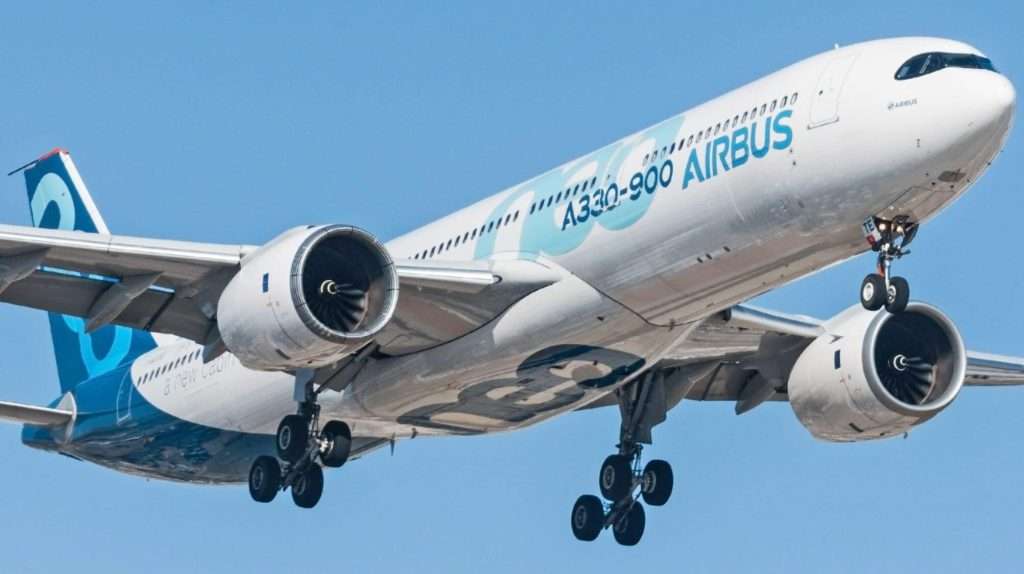
This relatively easy approach saw Airbus address customers who loved the A330 platform and ensure they had a competitive aircraft to fend off upcoming sales for the 787 Dreamliner.
The A330neo, particularly the A330-800, offered a similar capacity and range but at a lower purchase price alongside operating costs comparable to the A350-800. It truly was deemed the more efficient solution, as confirmed by the CEO at the time of Fabrice Brégier.
Airlines increasingly gravitated toward larger aircraft amid the A350-800s launch in a bid to maximise revenue per flight, and this saw them gravitating towards the A350-900 rather than the smaller -800 model.
Airbus acknowledged this and said at the time of the A350-800 cancellation that they fully expected all customers to shift to the A330neo or upgrade to the A350-900 for future operations.
The Importance Of The A330neo
As touched on, the A330neo played a pivotal role in abandoning the A350-800. Designed as a cost-effective upgrade to the A330ceo, the A330neo featured advancements across the board while not resulting in Airbus breaking the bank.
These updates allowed the A330neo to achieve significant fuel savings while maintaining a lower acquisition cost than the A350 family. Moreover, while the A330neo was an exciting prospect, the plane didn’t cannibalise any existing platforms released.
For airlines, the A330neo offered an ideal solution for routes that did not require the capacity or range of the larger A350 variants while competing with the 787 Dreamliner.
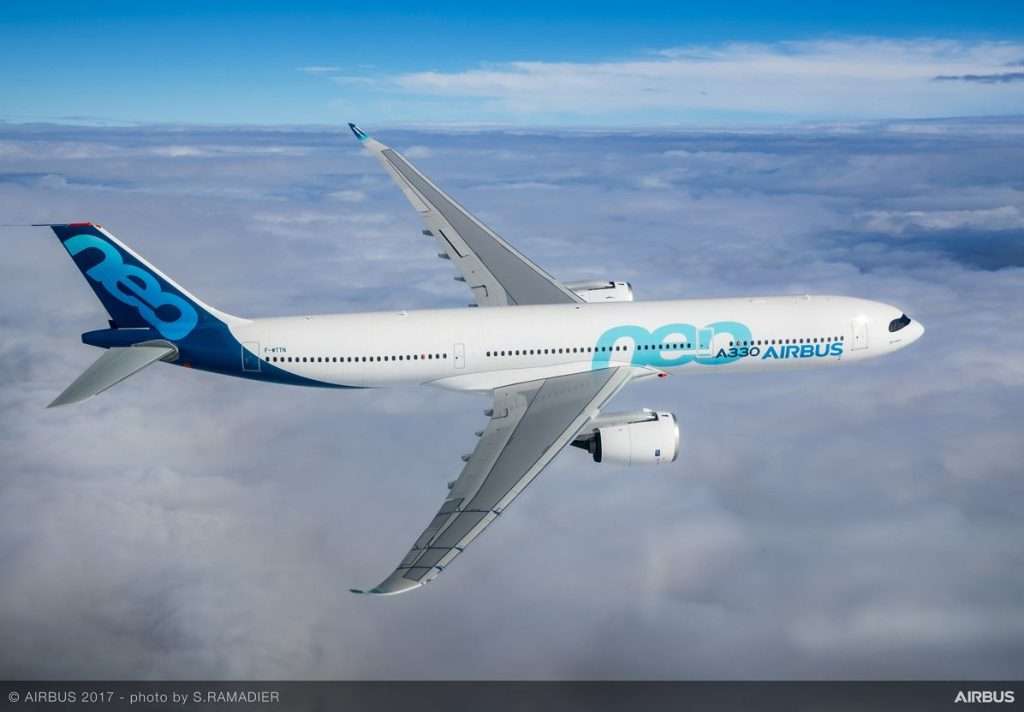
Furthermore, the newly announced aircraft ensured continuity for operators of the A330ceo, reducing training and operational costs. While the A330 program was young at many airlines at the time of the Neo’s launch, Airbus still expected orders to come through.
As portfolio optimization occurred, there were also concerns that the newly launched A330neo would overlap the A350-800 in more ways than one.
Finding The Best Balance
The cancellation of the A350-800 allowed Airbus to streamline its A350 lineup, a big bonus for ensuring high production standards and freeing up vital resources for innovation to continue.
The current base models are better aligned with market trends of today’s interest, and both offer high-capacity airline options with the desired range of possibilities.
Airbus narrowed down the 350 family and streamlined it, focusing on what would perform well in the market and what would genuinely offer airlines precisely what they wanted from their next-generation widebody.
The knowledge that Boeing was succeeding with its 787 and progressing with the 777X was another critical factor as the European manufacturer attempted to fend off emerging threats and build a robust program for the future.
Saying Goodbye To The A350-800
The Airbus A350-800 was a promising concept that, while formally launched, didn’t end up having a place in the program that has since been incredibly successful.
While its cancellation marked the end of one chapter in Airbus’ history, it did certainly pave the way for a product lineup that became more optimised and competitive.
Moreover, through the launch of the A330neo, as stated by Airbus, they could offer an alternative that came in at a more optimal cost and was more efficient to operate.
The A350-800 will thus remain a what-if, however, ultimately is a plane that was just never able to get off the ground even despite orders coming through.

ABOUT THE AUTHOR
Daniel Fowkes is a Melbourne-based aviation analyst and journalist with over a decade of industry experience. As founder of Dj’s Aviation, he delivers trusted analysis on aircraft, airline strategy and global aviation trends for djsaviation.net
Leave a Reply
Related Articles




Stay Informed
Get the latest aviation news, analysis and route updates delivered to your inbox.
We respect your privacy. Unsubscribe at any time.
Enjoyed this story?
Make us your go-to for aviation news
Add us as a preferred source on Google and see our latest stories first in Top Stories.
Add Us On Your News Feed
I think the suffix -800 is jinxed as the A380-800 could not sustain its hype.
The A330-800 did not gather any big orders and was shelved after a small number of orders.
Similarly A350-800 program died in infancy stage.
And of course the 747-800 could not carry the legacy of the queen of the skies