
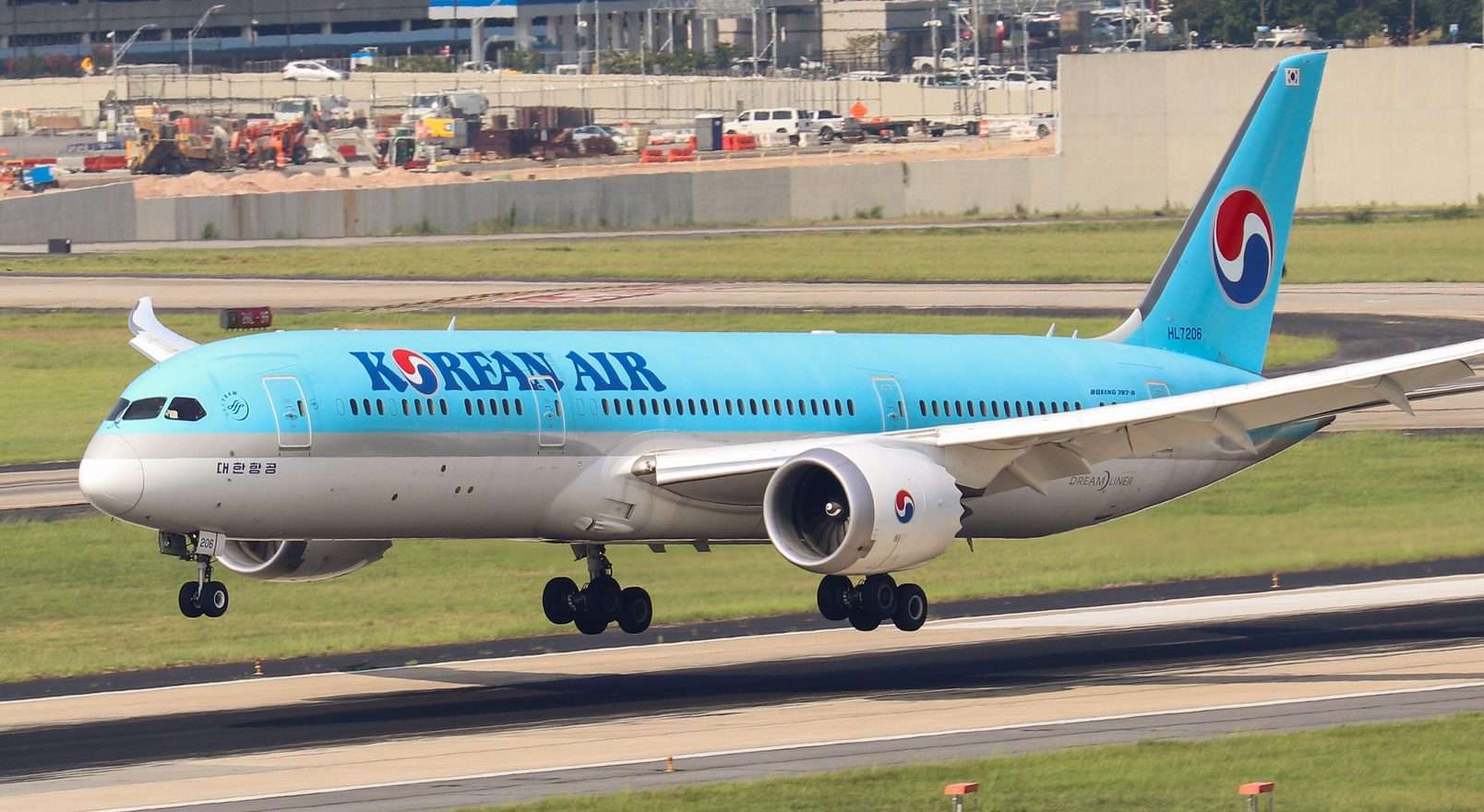
Korean Air is another carrier continuing to be hit by the engine crisis; however, through a new agreement, it has sought to mitigate the impact.
As part of the airline’s plans to be more robust in the future, it has acquired the right to maintain aircraft engines from Rolls Royce.
Furthermore, the benefits will stretch to the airline, which will play a heavy role in the ongoing maintenance of its engines.
This will be achieved through the new engine maintenance plant, which is expected to be constructed in Incheon and will be able to handle a significant annual volume.
That new plant was announced earlier this year, and the airline aims to expand the facility over time. Overall, however, the airline will also enhance its overall (MRO) business with repair and general aircraft maintenance.
The engine crisis has hurt airlines around the world for quite some time. It has not been limited to Rolls Royce but has extended to Pratt & Whitney and others.
Airlines such as Korean Air have expressed their frustrations over the crisis largely due to the uncertainty of when works would be concluded and when engines would arrive back in their hands.
Korean Air believes that this new maintenance facility and agreement with Rolls Royce will help it gain greater control over the fate of its engines, which are such a critical component of the company’s day-to-day business.
The deal with Rolls Royce is groundbreaking, as most of the industry doesn’t have agreements with engine manufacturers to take greater control of the overall maintenance work.
Over 90% of the industry must have their engines transported to licensed facilities approved by the engine manufacturer, and this is where many of the supply chains are crumbling, resulting in companies around the world hurting.
Furthermore, Korean Air’s decision to address this now rather than later comes as other airlines don’t believe the crisis will ease anytime soon. Some airlines forecast improvements in early 2026, but there is generally great uncertainty.
Even if things start to stabilise once more in the next 18 months, the continued knock-on effect will be felt for a considerable period after.

ABOUT THE AUTHOR
Daniel Fowkes is a Melbourne-based aviation analyst and journalist with over a decade of industry experience. As founder of Dj’s Aviation, he delivers trusted analysis on aircraft, airline strategy and global aviation trends for djsaviation.net
Related Articles




Stay Informed
Get the latest aviation news, analysis and route updates delivered to your inbox.
We respect your privacy. Unsubscribe at any time.
Enjoyed this story?
Make us your go-to for aviation news
Add us as a preferred source on Google and see our latest stories first in Top Stories.
Add Us On Your News Feed