

Etihad Airways and Emirates once discussed coming together as a landmark merger that would change the industry forever.
However, after deliberation, discussions, and a changing climate, the airlines decided not to move forward. Now, the airlines collaborate by other means without consolidating.
Why didn’t the two major airlines come together, and was it the right decision given the position of the Abu Dhabi-based company at the time?
Why Would The Airlines Merge?
Typically, airlines may look to come together for several reasons. Consolidation within the industry has become a more common theme since the pandemic; however, it existed long before then.
In the case of Etihad Airways and Emirates, these airlines could see the combination as a means to increase market share. Moreover, acquiring Etihad assets could enable Emirates to grow more rapidly while supporting Abu Dhabi.

In some instances, airlines coming together could save one of those from imminent collapse caused by financial turmoil. The assurances of another company stepping in allow for the safe transfer of assets, including employees.
Additionally, a merger can also come about to increase network connectivity and take further market share. In markets that are becoming increasingly more competitive, two smaller fish in a big bowl could look to merge to eat away at the bigger fish.
Ultimately, however, mergers are put forward as a means to move forward more effectively under one umbrella, improve both companies, and find ways to sustain profitability.
First Talk Of The Merger
Emirates and Etihad Airways’ merger was discussed following reputable reporting from Bloomberg. These reports identified several sources who noted that a prospective deal was being discussed.
These discussions occurred in the latter stages of the 2010s, specifically in 2018, when the situation at both companies couldn’t be further different.
In 2018, Etihad Airways was in a far from ideal position, with the carrier battling debt levels on an extraordinary scale. This debt amounted to several poor decisions made in the early 2010s, including fleet and airline investments that didn’t work out.
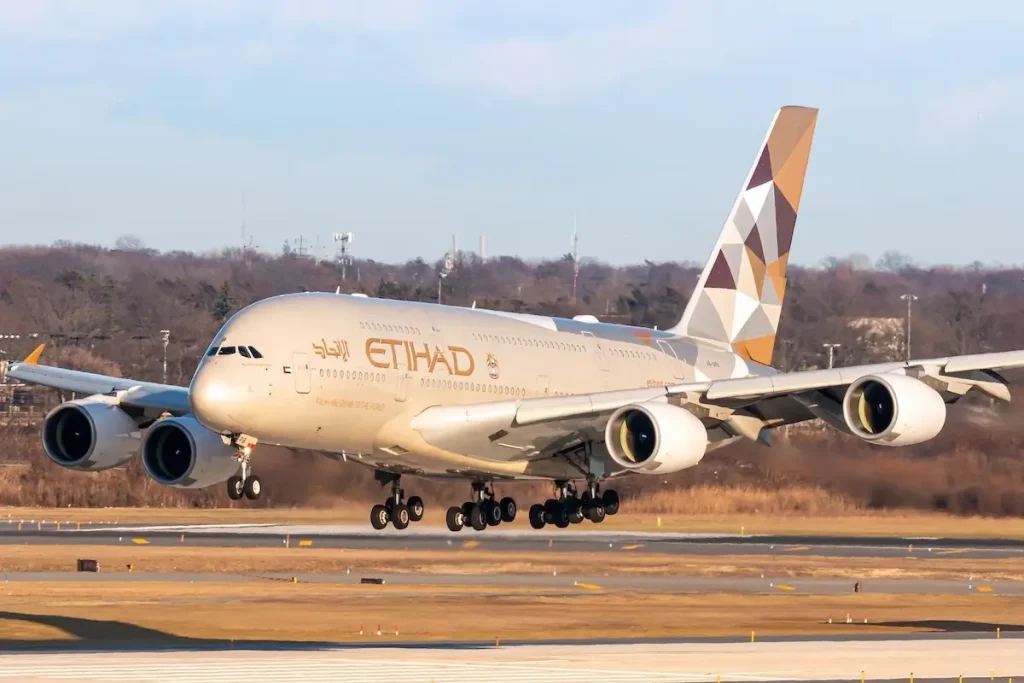
By the time the 2010s ended, Etihad Airways was amassing billions of dollars in losses annually and facing challenges in operating scheduled flights.
As a result of this dire financial position, there were calls for the airline to look towards consolidation to turn around its fortunes. Without the state backing, Etihad Airways would’ve likely been unable to weather the storm and turn around its fortunes, some felt.
However, Emirates, which was not in strife, presented a fresh opportunity through a prospective tie-up that would’ve allowed for the UAE to be consolidated.
Emirates looked to use its assets to chart a turnaround plan for Etihad Airways with a view to operating as one. Given Etihad Airways’s horrific position, many believed these plans had some legs behind them.
The Rebuild Of Etihad Airways
Through pure determination, one of the primary reasons a deal didn’t proceed was thanks to Etihad Airways’ turnaround plan.
Despite several claims that the airlines were negotiating a deal, Etihad never gave up hope of becoming stable again and operating on its own two feet.
As part of this extensive turnaround plan, Etihad Airways transformed itself from a debt-making airline into a once more stable and profitable company.
However, this turnaround wasn’t an overnight job, nor did it come without significant business decisions. Across the turnaround that included a global pandemic, Etihad cut routes, retired aircraft and slashed its workforce.
The airline primarily focused on areas of the business that were profitable in the past and cut the rest. Now, in the mid-2020s, it is once more growing under Journey 2030.
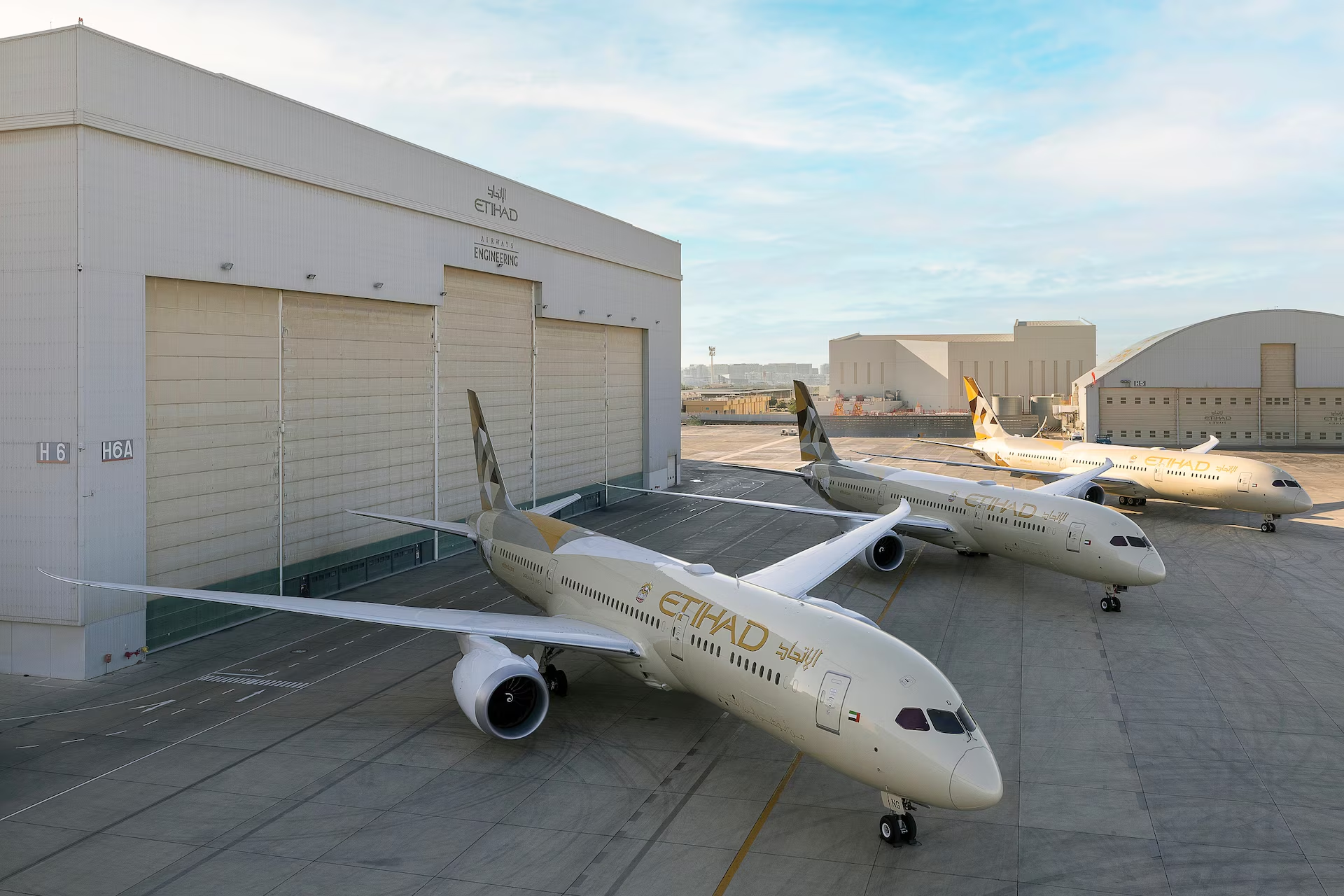
Despite these massive changes, Etihad stayed the course and emerged as a much leaner and sustainable carrier. Analysts argue that this stability wasn’t present in the company in the 2010s.
When discussing the prospective merger, Emirates executives highlighted Etihad’s rebuild several times. Executives noted that Etihad moved from a company with no future to a stable one.
Etihad Airways’ newfound stability was a huge factor in Emirates’ decision not to pursue a tie-up. The Dubai-based carrier believes the deal in Etihad’s current state wouldn’t be in its best interests.
A Bad Decision For Emirates?
Some analysts argue that a prospective tie-up between the two would have been bad news for Emirates, which had been enjoying considerable success.
In some cases, airlines will combine very different business models and look to merge the assets for the greater good. However, in the case of Emirates and Etihad Airways, there are heavy similarities between the businesses.

The pair looks to offer the best in-flight experience using the latest generation aircraft. Moreover, the airlines use their geographical positioning to leverage transit travel from their hub to key global markets. Additionally, both primarily lean on using widebody jets to serve markets.
Because of these similarities, a tie-up could be perceived as risky due to the lack of unique benefits Etihad would offer Emirates. While Etihad would’ve brought along assets such as fleet and crew, it would’ve brought along a similar route network, high debt levels, and more.
Other Ways To Partner
Another important consideration for the pair was the ability to partner in other ways rather than consolidation. Just because they didn’t merge didn’t mean they couldn’t continue their partnership in different forms.
The signing of an interline partnership in May of 2023 highlighted plans to expand their agreement and give customers additional itinerary options for visits across the UAE.
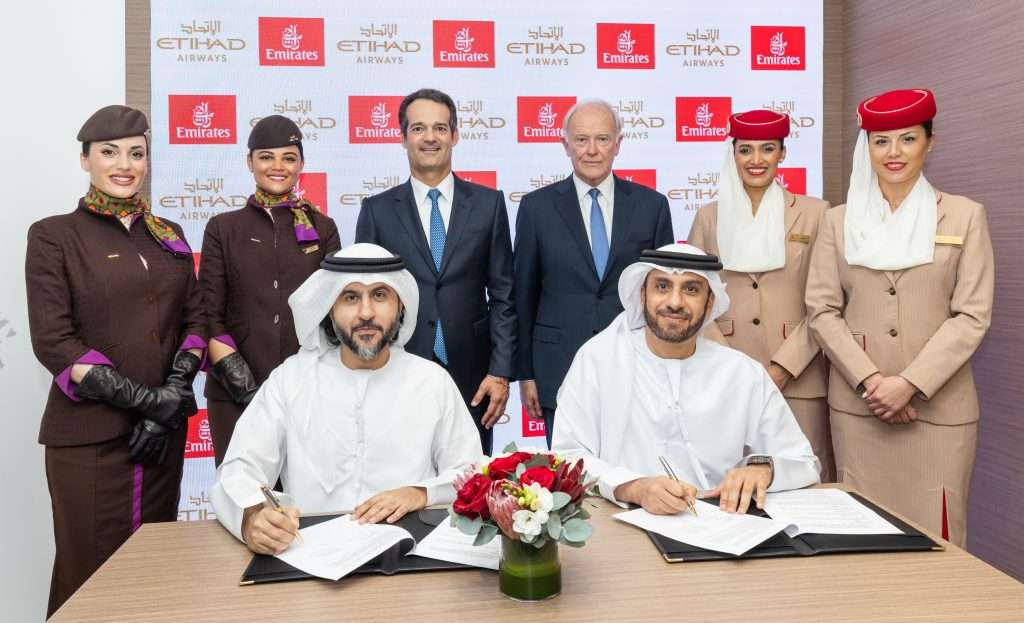
The pair wanted to capitalise on the market by enabling customers to capitalise on a single ticket. Ultimately, such partnerships are just one of the many ways airlines can collaborate in the aviation industry without requiring a formal takeover.
Scrutiny From Global Regulators
However, even if a deal had progressed, it would still have been subject to heavy scrutiny from global regulators.
These regulators would have examined the overall impact on passengers and other airlines in the region. It would have been important to understand whether this tie-up would have positively or negatively affected these relevant parties.

Regulators watch closely over airlines’ mergers across global markets. As a result, many mergers have been turned down for fear of raising ticket prices and negatively impacting competing companies.
Ultimately, Emirates and Etihad Airways didn’t proceed with a merger but still held each other in high regard.

ABOUT THE AUTHOR
Daniel Fowkes is a Melbourne-based aviation analyst and journalist with over a decade of industry experience. As founder of Dj’s Aviation, he delivers trusted analysis on aircraft, airline strategy and global aviation trends for djsaviation.net
Related Articles




Stay Informed
Get the latest aviation news, analysis and route updates delivered to your inbox.
We respect your privacy. Unsubscribe at any time.
Enjoyed this story?
Make us your go-to for aviation news
Add us as a preferred source on Google and see our latest stories first in Top Stories.
Add Us On Your News FeedRelated articles
· Airlines
Allegiant Air Buys Six More 737-8s From Boeing
Daniel Fowkes
26/10/2026
· Airlines
Emirates vs Qatar Airways: The Gulf Superhub Rivalry Compared
Bryan Shelmon
26/10/2026
· Airlines
Riyadh Air Is Moving Away From Riyadh
Daniel Fowkes
26/10/2026
· Airlines
Emirates Isn’t Worried At All
Daniel Fowkes
25/10/2026