
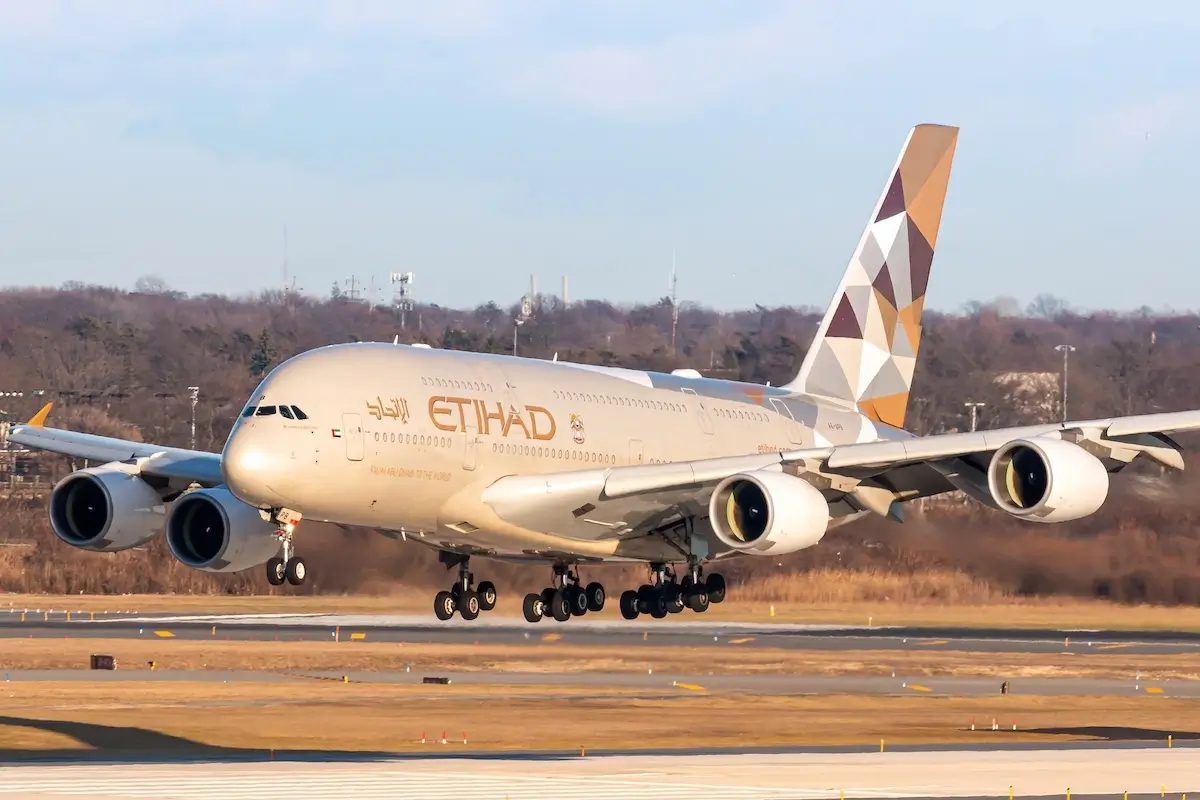
Etihad Airways is progressing firmly with the next era of its development as a global carrier and Middle East powerhouse.
Speaking across recent weeks, the airline’s CEO, Antonoaldo Neves, said that work to grow the company had been progressing nicely with accelerated efforts ongoing.
As part of those efforts, the airline already finds itself at least two years ahead of expectations from a passenger capacity standpoint. For example, the 20 million passengers carried in a year far exceeds previous estimates for the 2027/2028 timeframe.
The hope would be now under a revised plan to hit 38 million passengers by 2030, a staggering growth achievement and one the airline believes it’s on track to achieve, having delivered on previous plans.
Additionally, the business has prioritised the growth of its fleet, aided by the recent delivery of the first Airbus A321LR, a jet expected to elevate the single-aisle division moving forward in the business.
Etihad Airways has long considered the A321LR as the perfect single-aisle jet to bring a widebody experience to; its size won’t limit it, and the reliance on this jet will grow in the coming four years.
Away from the A321LR, Etihad Airways has also brought its A380 back into service to thunderous applause, a decision driven by the surging demand seen across its international network following the pandemic.

This superjumbo wasn’t intended to return to service, the airline having confirmed its permanent axing before bringing the jet back. Now there are seven units back with another joining shortly as well.
Ultimately, to achieve the plans concerning passenger figures and the expansion of the network, continued delivery of new aircraft will need to occur, whether for the newly delivered A321LR or the uncertified 777X.
Etihad Airways has many planes in its backlog, which are already delayed, and further pushbacks in their arrival time could have subsequent negative ramifications on the business.
Unfortunately, much of this is out of the airlines’ hands, with planemakers forecasting delays to the delivery of new aircraft years down the line due to the knock-on effects from damaged supply chains.
Etihad Airways’ Downfall In The 2010s
Many of the following steps at Etihad Airways are guided by the development of its business, aiming to avoid the missteps of the 2010s.
One of the airlines’ biggest mistakes was how it expanded during this period, looking to go all in on growth, which inherently is not bad, but if done in the wrong manner, can destabilise a business, which is precisely what happened.
Etihad Airways went on to face substantial struggles from an ambitious growth strategy that harboured significant risk but ultimately did not pan out as intended.

Firstly, investments in aircraft were deemed critical to grow the business; this included large orders for new planes, but at the time, they were based on forecasting, which didn’t pan out as intended.
Instead, the sheer scale of the backlog put the business in a position where there were too many planes with insufficient demand, leading to the opposite of what these airlines are targeting, namely, overcapacity and the need to reject new jets.
It wouldn’t just be fleet decisions, though, with Etihad Airways compounding its problems through the investment in airlines, all of which would put the business further into disarray.
Investments in the likes of Air Berlin, Alitalia and Jet Airways, to name a few, were made to feed their traffic into Abu Dhabi and then grow the reach.
However, now in 2025, those names the company invested in seem like a distant memory, and for good reason, with the investments from the Abu Dhabi-based carrier coming just moments before these would collapse.
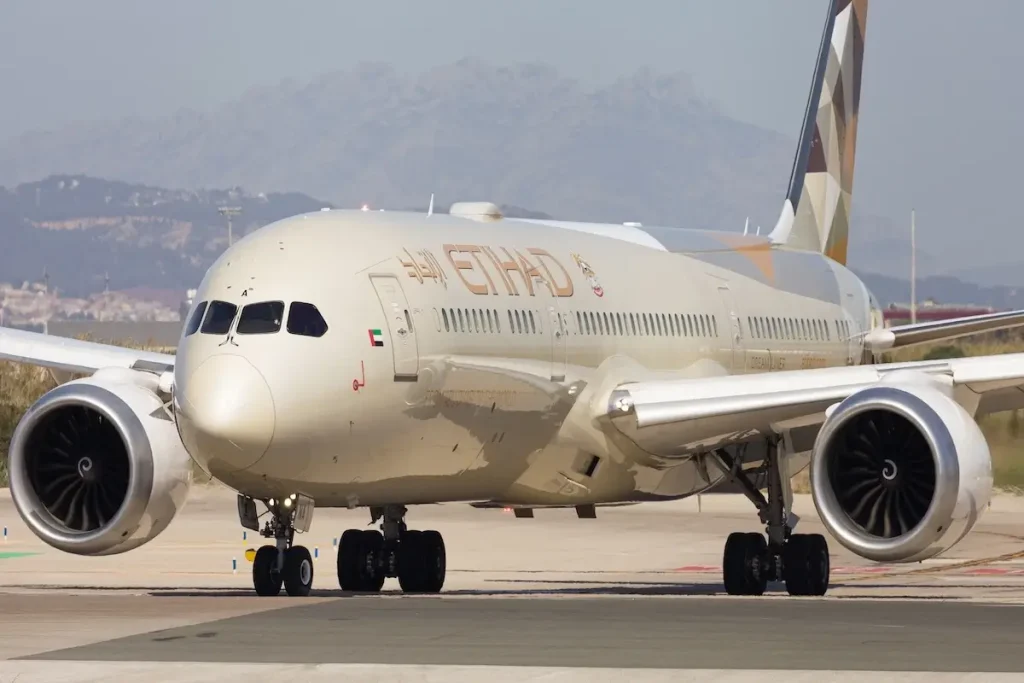
Poor decisions led the airline to post annual losses in the billions. A major turnaround reduced the fleet and operations. Therefore, Journey 2030 represents the first major growth phase the company has entered in years, and executives will be aiming for a better outcome.

ABOUT THE AUTHOR
Daniel Fowkes is a Melbourne-based aviation analyst and journalist with over a decade of industry experience. As founder of Dj’s Aviation, he delivers trusted analysis on aircraft, airline strategy and global aviation trends for djsaviation.net
Related Articles




Stay Informed
Get the latest aviation news, analysis and route updates delivered to your inbox.
We respect your privacy. Unsubscribe at any time.
Enjoyed this story?
Make us your go-to for aviation news
Add us as a preferred source on Google and see our latest stories first in Top Stories.
Add Us On Your News FeedRelated articles
· Airlines
Allegiant Air Buys Six More 737-8s From Boeing
Daniel Fowkes
26/10/2026
· Airlines
Emirates vs Qatar Airways: The Gulf Superhub Rivalry Compared
Bryan Shelmon
26/10/2026
· Airlines
Riyadh Air Is Moving Away From Riyadh
Daniel Fowkes
26/10/2026
· Airlines
Emirates Isn’t Worried At All
Daniel Fowkes
25/10/2026