

Boeing delivered 57 aircraft in September 2026, its highest monthly total year to date, reflecting improved output.
The planemaker delivered 475 aircraft in the first nine months of the year, up 8% year on year, as part of efforts to improve and stabilise output to better serve customer requirements.
The biggest improvement came from the 737 family, where the 737 MAX saw a strong uptick in handovers as the Federal Aviation Administration granted production increases after seeing visible quality improvements on the production floor, warranting the progressive easing of restrictions.
Boeing’s 57 deliveries in September rose from 51 the prior month and remain above September 2025 levels, making it the best month this year. The month was headlined by 43 737 MAX jets, eight 787s, two 777 freighters, and four 767 freighters.
Deliveries rose by a full division from August, with narrowbody and widebody deliveries increasing. 737 MAX deliveries jumped from 41 to 43, and the 787 Dreamliner doubled, with deliveries rising from four to eight during the month.
While higher deliveries have been positive for Boeing, and it’s working to sustain a 737 MAX delivery rate of 47 aircraft per month, stabilization is taking longer than expected, per Kelly Ortberg, and this creates challenges in meeting contract obligations that have already faced heavy delays.
Deliveries and production improvements are one area the manufacturer is learning from its year-on-year performance, but it understands it is not where it wants to be.
Boeing confirms orders for 165 aircraft
During the month, while competitor Airbus was slower, Boeing recorded strong commitments across its commercial division, with 165 gross orders, led by 100 from Turkish Airlines.
Other customers identified during the month included Lufthansa Group, which returned for more 737 MAX jets to improve single-aisle performance. Meanwhile, Biman Bangladesh bought six 737 MAX aircraft and added five more to its 787 backlog.
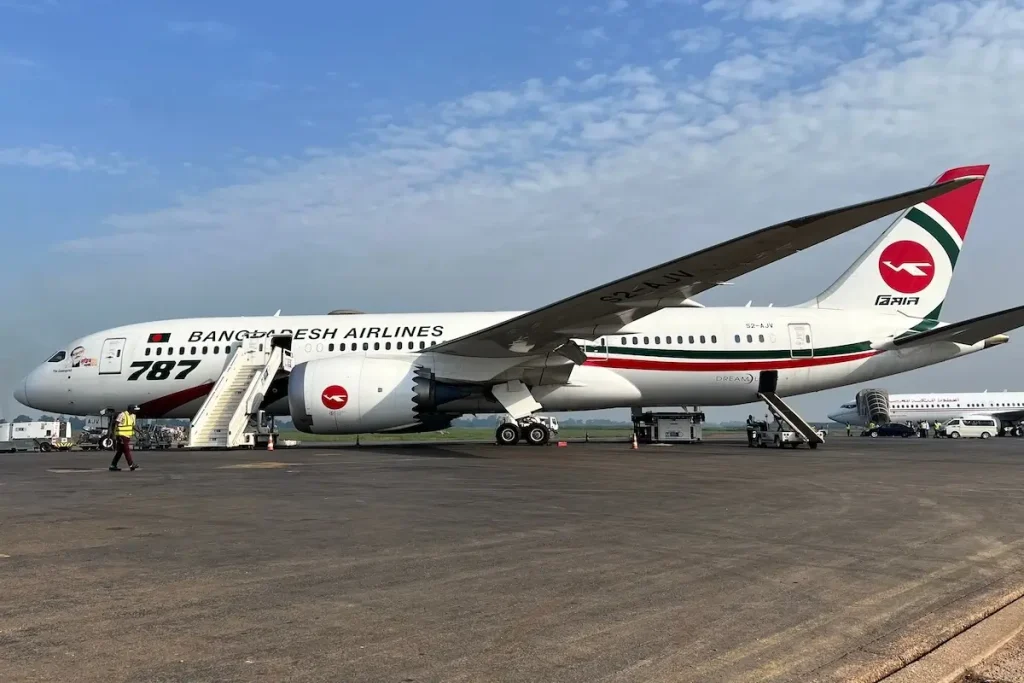
Lastly, Ethiopian Airlines purchased freighters, including eight 777-8Fs, and, in the short term, committed to two current-generation 777 freighters, which are more readily available. The Ethiopian carrier is rounding out the list of airlines that made their deals public.
The remaining orders for the month came from unidentified customers: six 737 MAX jets and 18 787s, with the end destination of these aircraft yet to be publicly revealed, common practice for lessors or airlines not ready to make their agreements public.
Thanks to strong commitments, the Boeing commercial backlog rose from 6,156 aircraft to 6,371 by the end of September, with 107 previously reserved orders moving into the backlog after accounting adjustments, rather than solely new purchases by airlines and/or lessors.
Airbus still maintains its lead over Boeing
Airbus delivered 72 aircraft in September and sits at 547 through the first nine months of the year as it pushes to reach 870 annual handovers and a requirement for three-digit deliveries every month until the beginning of 2027. The output gap between the two planemakers tells the story of the 2020s and is hardly surprising given Boeing’s restrictions.
During the month, Boeing delivered fewer aircraft but took on substantially more gross orders: 165 versus 17. Over the nine-month period, Boeing fell just short of Airbus, with gross orders at 1,105, behind Airbus’s 1,174.
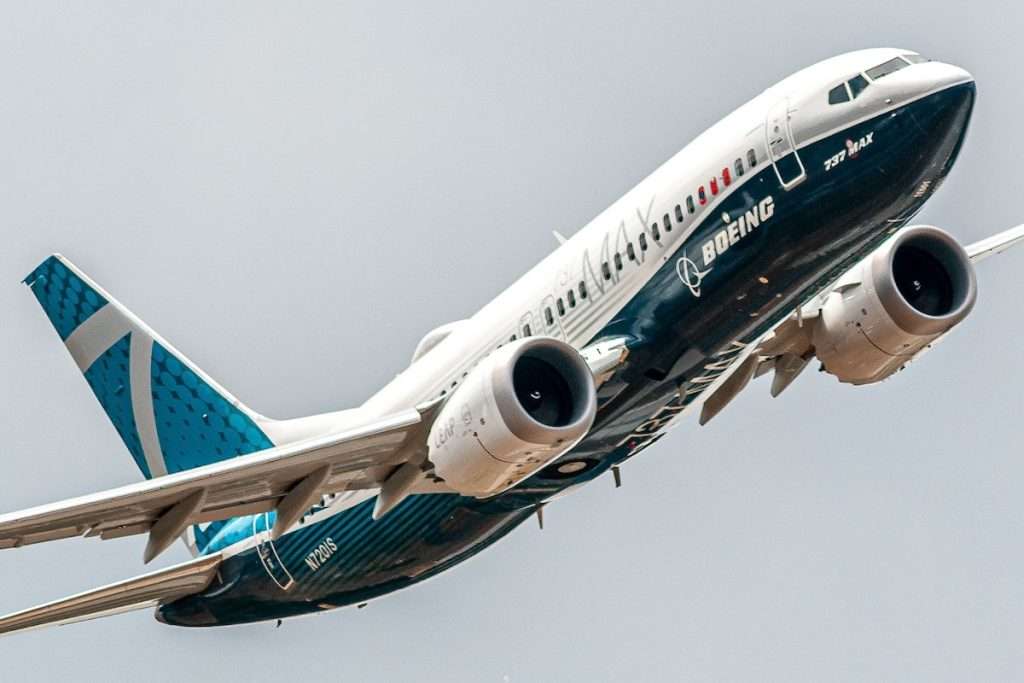
The bigger story for Boeing, though, is that while trailing Airbus ever so slightly in commercial aircraft orders, its output continues to increase year on year, and the FAA is committed to relaxing restrictions slowly but surely on the popular 737 MAX, which has coincided with the certification of variants such as the 737-7.
Boeing has a strong backlog of 737 MAX jets delayed by supply chain problems, certification woes, and ongoing production-floor instability, and scaling output will improve monthly delivery figures.
For customers awaiting jets that have faced significant delays, and for the governing regulator, the FAA, the test now is whether Boeing’s higher handover rates translate into sustained quality. If so, the FAA will approve additional production increases, closing the gap between the two manufacturers once again.

ABOUT THE AUTHOR
Daniel Fowkes is a Melbourne-based aviation analyst and journalist with over a decade of industry experience. As founder of Dj’s Aviation, he delivers trusted analysis on aircraft, airline strategy and global aviation trends for djsaviation.net
Related Articles




Stay Informed
Get the latest aviation news, analysis and route updates delivered to your inbox.
We respect your privacy. Unsubscribe at any time.
Enjoyed this story?
Make us your go-to for aviation news
Add us as a preferred source on Google and see our latest stories first in Top Stories.
Add Us On Your News Feed