
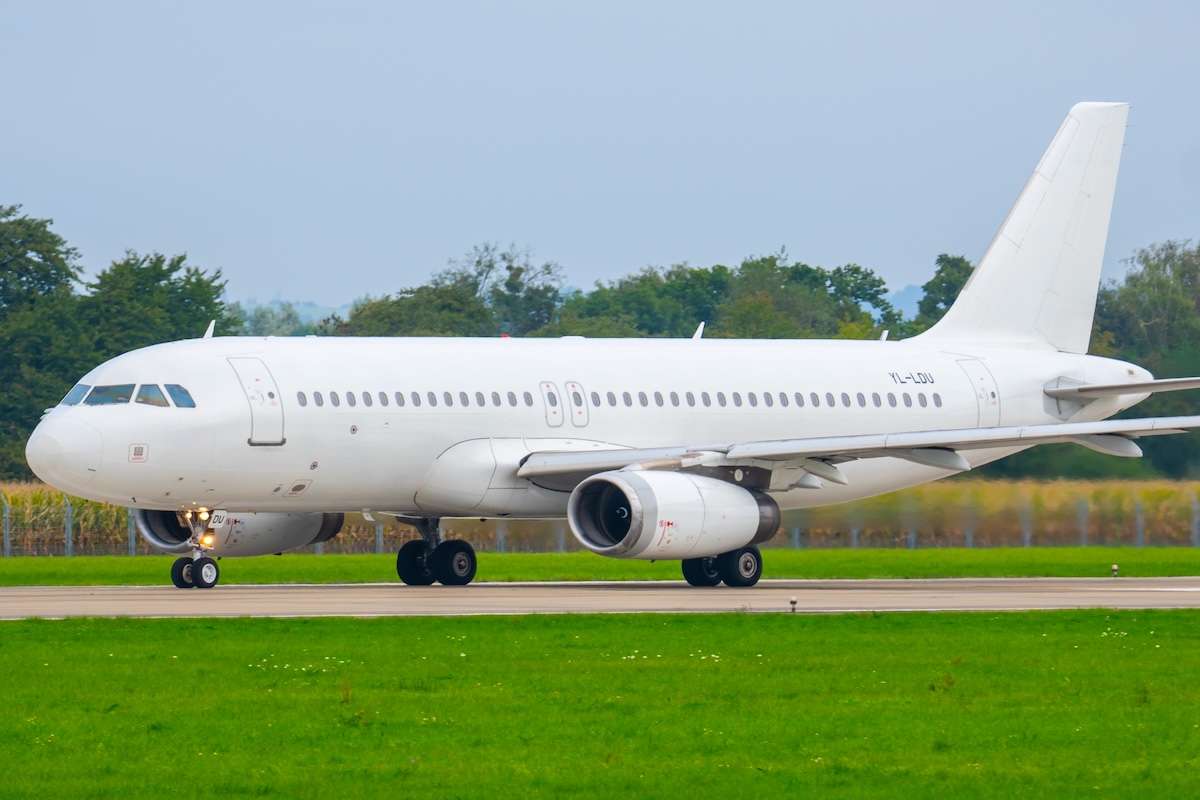
AirAsia Group plans to retire 25 older Airbus aircraft leased this year as part of dramatic cost-cutting measures.
The Malaysia-based group said the fleet reduction would cut fixed lease costs and remove unprofitable capacity from its network, strengthening long-term liquidity.
AirAsia’s decision to reduce its fleet and network follows a reported net loss of RM830.5 million in the second quarter. The net loss has highlighted the need to reset operations and focus more heavily on profitable markets.
The group did not identify the specific aircraft expected to leave, but it operates a predominantly Airbus narrowbody fleet. Returning older aircraft will reduce capacity in the short term, but it will also lower monthly lease obligations and associated fixed costs that could otherwise hurt finances.
AirAsia is also preserving a pathway for long-term growth, with Airbus A220 and A321XLR deliveries due to begin in 2028. These aircraft are intended to replace older aircraft with more efficient models, some of which will offer greater seating capacity.
Airbus Fleet Reduction Follows Net Loss
AirAsia Group reported revenue of RM5.1 billion for the three months ended June 30, down 1% year-on-year despite an 11% reduction in capacity, due to persistent market volatility. The strong revenues were seen industry-wide, but managing the soaring operating costs has become another challenge airlines have been unable to work through.
Jet fuel expenses were a key driver of the struggle to remain profitable, with prices up 58% year on year. AirAsia said average fuel prices reached US$183 per barrel during the quarter. While AirAsia recovered around 70% of the higher fuel bill through higher flight ticket prices and other surcharges, it could not fully offset the additional cost.
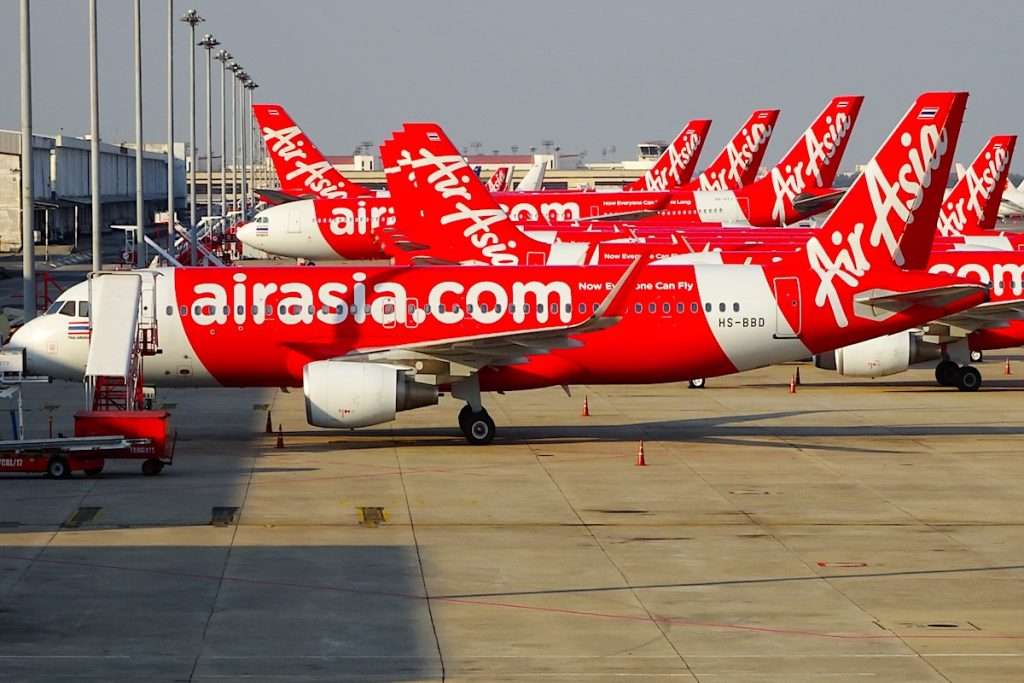
The reported loss included RM331 million in foreign-exchange losses. Excluding that impact, AirAsia said its net loss would have been RM499.6 million. Other airlines flagged currency exchange losses as a catalyst for poor quarterly performance, especially those leasing planes and denominated in US dollars.
For AirAsia, higher fuel costs have become its most significant operational challenge. Operating under a low-cost model, the airline often prices flights months in advance and at attractive prices, assuming costs will not spike overnight.
AirAsia said it had sold many seats for April travel before fuel prices rose sharply. The sudden cost increase limited AirAsia’s ability to pass the higher fuel expense on to customers who had already booked tickets.
However, in May and June, as market volatility became clearer, AirAsia raised average fares by more than 20% year on year. The trend spread across the industry as airlines sought to pass on higher operating costs to customers to manage pressure.
Fleet Cuts Accompanied by Network Reductions
While AirAsia aims to reduce its fleet of older Airbus aircraft, financial pressure has been constrained to specific markets: long-haul operations out of Malaysia and short-haul operations in Thailand, Indonesia and the Philippines. While some short-haul operations remained profitable, more than half of the group’s operations were unprofitable.
AirAsia is therefore planning to suspend some underperforming long-haul routes, consistent with its shift away from widebody aircraft and toward longer-range narrowbodies such as the A321XLR, which present less risk to the bottom line.

The proposed Bahrain hub was intended to support not just the Middle East operation but service deep into Europe; that opening has been delayed, and a list of services is not just affected, but plans are also delayed.
AirAsia will further trim capacity in the third quarter with a 20-25% year-on-year reduction, as seasonally weaker regional travel is evident, but financial pressure also necessitates change.

ABOUT THE AUTHOR
Daniel Fowkes is a Melbourne-based aviation analyst and journalist with over a decade of industry experience. As founder of Dj’s Aviation, he delivers trusted analysis on aircraft, airline strategy and global aviation trends for djsaviation.net
Related Articles




Stay Informed
Get the latest aviation news, analysis and route updates delivered to your inbox.
We respect your privacy. Unsubscribe at any time.
Enjoyed this story?
Make us your go-to for aviation news
Add us as a preferred source on Google and see our latest stories first in Top Stories.
Add Us On Your News FeedRelated articles
· Airlines
Allegiant Air Buys Six More 737-8s From Boeing
Daniel Fowkes
26/10/2026
· Airlines
Emirates vs Qatar Airways: The Gulf Superhub Rivalry Compared
Bryan Shelmon
26/10/2026
· Airlines
Riyadh Air Is Moving Away From Riyadh
Daniel Fowkes
26/10/2026
· Airlines
Emirates Isn’t Worried At All
Daniel Fowkes
25/10/2026