
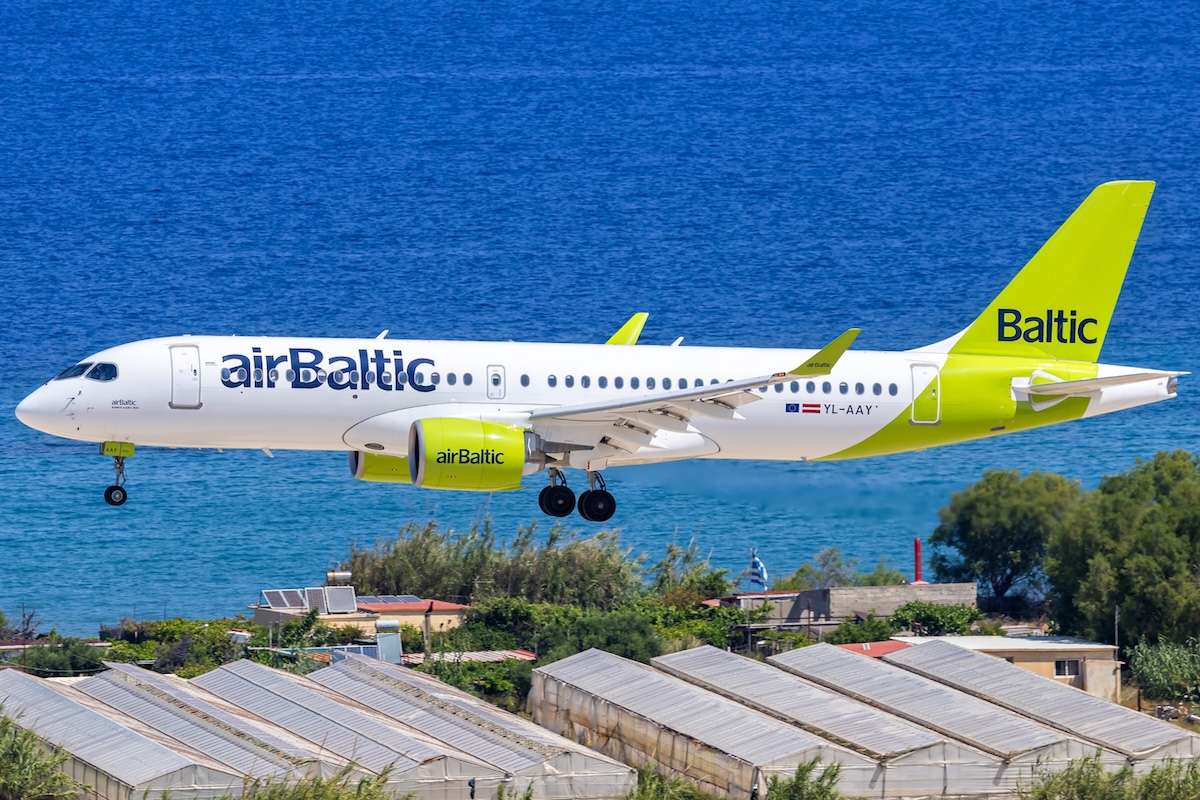
airBaltic is abandoning high-profile growth plans for its Airbus A220 fleet and instead opting for a more measured approach under a new business plan aimed at survival.
Previously, the Latvian carrier expected to reach 100 aircraft from the A220 family, but now it’s looking to a smaller, more managed operation built around a fleet of 40 aircraft, rather than 100.
The plan is designed solely to stabilise the airline’s finances, which has struggled for years to become profitable and, in 2026, has seen questions about its survival raised. Reducing the fleet should ease cost pressure and lower outgoings, giving the airline the best chance of turning around.
airBaltic Axes A220 Growth Plans
The most significant change will be a reduction in airBaltic’s fleet, from 54 A220-300s today to 36 by the end of the year. The fleet will also not grow as previously expected, either, with a gradual rebuild to 40 A220s by 2031.
A fleet of 40 aircraft by 2031 is a sharp reversal from previous expectations of reaching 100 in the coming years as part of expansion across the Baltics and Europe. The reduction is necessary to stabilise finances and ensure airBaltic remains viable through 2031.
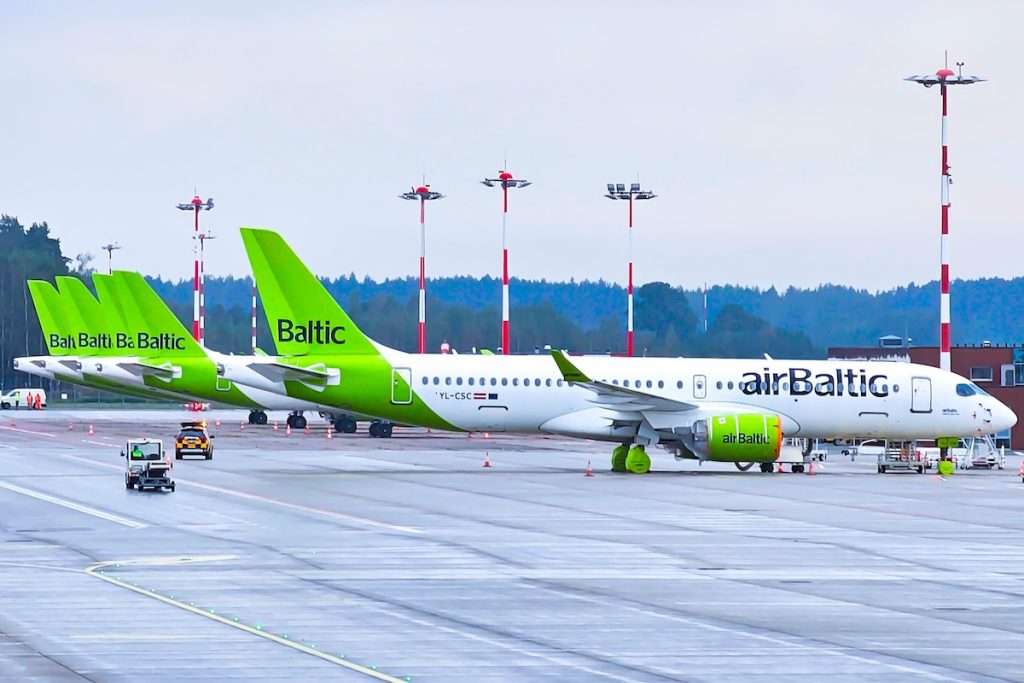
Despite the reduction, the A220-300 will remain airBaltic’s sole aircraft type, The process will involve lease returns, delivery adjustments, and negotiations with lessors for the supply of aircraft. Two A220-300s have already been returned this year by the business, bringing the fleet to 54.
Why is airBaltic making this change?
The new plan became necessary after the Latvian government indicated it would not provide further funding without a clearer business plan. That refusal to inject funds came despite the airline’s importance to Latvia’s economy, employment, and connectivity.
airBaltic’s position within the industry has come under threat in recent years, and the operating environment has changed dramatically since the business unveiled its 100-aircraft A220 ambition. Weaker demand and revenue growth, geopolitical uncertainty, and Pratt & Whitney engine-availability constraints have hurt progress.
Like many other A220 operators, airBaltic has for years had to manage availability issues associated with the Pratt & Whitney geared turbofan engines, with persistent maintenance and shop visit bottlenecks leaving parts of the fleet inactive at various points.
While all grounded aircraft were expected to return to service by the end of the year, a revised strategy means the fleet will be reduced, and priority will be placed on those aircraft that are flying. The pressures extend well beyond the fleet, with its balance sheet under severe pressure after liabilities exceeding assets by more than $480 million were flagged in early 2026.

airBaltic’s financial position alone means aggressive expansion has become difficult and increasingly hard to justify. The revised model attempts to create a pathway that matches capacity closely with profitable demand rather than adding aircraft ahead of sustainable revenue growth and compounding financial pressure.
The smaller fleet, while a difficult decision to make, can be more manageable with higher utilisation rates and deployment to those markets that generate stronger returns. The consolidated approach gives up previous ambitious plans; without it, the airline risks having no viable long-term future.

ABOUT THE AUTHOR
Daniel Fowkes is a Melbourne-based aviation analyst and journalist with over a decade of industry experience. As founder of Dj’s Aviation, he delivers trusted analysis on aircraft, airline strategy and global aviation trends for djsaviation.net
Related Articles




Stay Informed
Get the latest aviation news, analysis and route updates delivered to your inbox.
We respect your privacy. Unsubscribe at any time.
Enjoyed this story?
Make us your go-to for aviation news
Add us as a preferred source on Google and see our latest stories first in Top Stories.
Add Us On Your News FeedRelated articles
· Airlines
Allegiant Air Buys Six More 737-8s From Boeing
Daniel Fowkes
26/10/2026
· Airlines
Emirates vs Qatar Airways: The Gulf Superhub Rivalry Compared
Bryan Shelmon
26/10/2026
· Airlines
Riyadh Air Is Moving Away From Riyadh
Daniel Fowkes
26/10/2026
· Airlines
Emirates Isn’t Worried At All
Daniel Fowkes
25/10/2026