
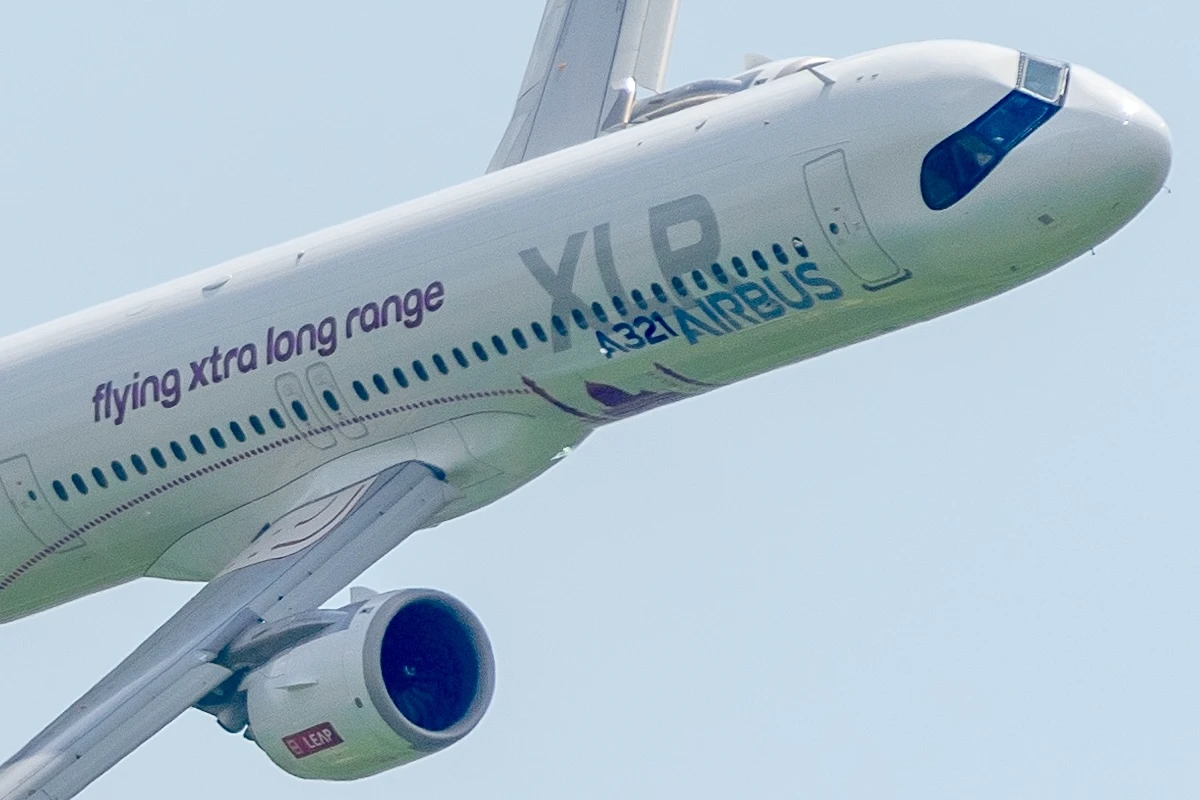
Long-haul travel will never be the same after the arrival of the Airbus A321XLR, making long-distance flights more comfortable, fuel-efficient, and more economical.
Airbus completely changed the game with this narrowbody aircraft outfitted to operate routes once reserved for widebodies only. With its new capabilities, airlines have begun exploring new destinations to support their growing route networks.
Major airlines across every continent are reacting quickly to the new possibilities as orders continue to roll in for this first-of-its-kind aircraft.
Why Airbus Launched The A321XLR
For nearly a decade, Airbus has been on a mission to redefine travel by unlocking new markets. The A320 family is the manufacturer’s best-selling model line, which began introducing a new way to think about narrowbody, single-aisle aircraft.
In 2015, it launched the A321LR, a long-range variant of the A321 with additional fuel tanks to achieve a range of 7,400km. In 2019, it decided to push the range even further with the A321XLR, the “extra long range” variant.
With even larger fuel tanks and enhanced landing gear, it was designed to make transatlantic flights possible with an 8,700km (4,700nm) range. Not only would this aircraft make longer flights possible with a narrowbody, but it would also do it cheaper than any widebody ever could.
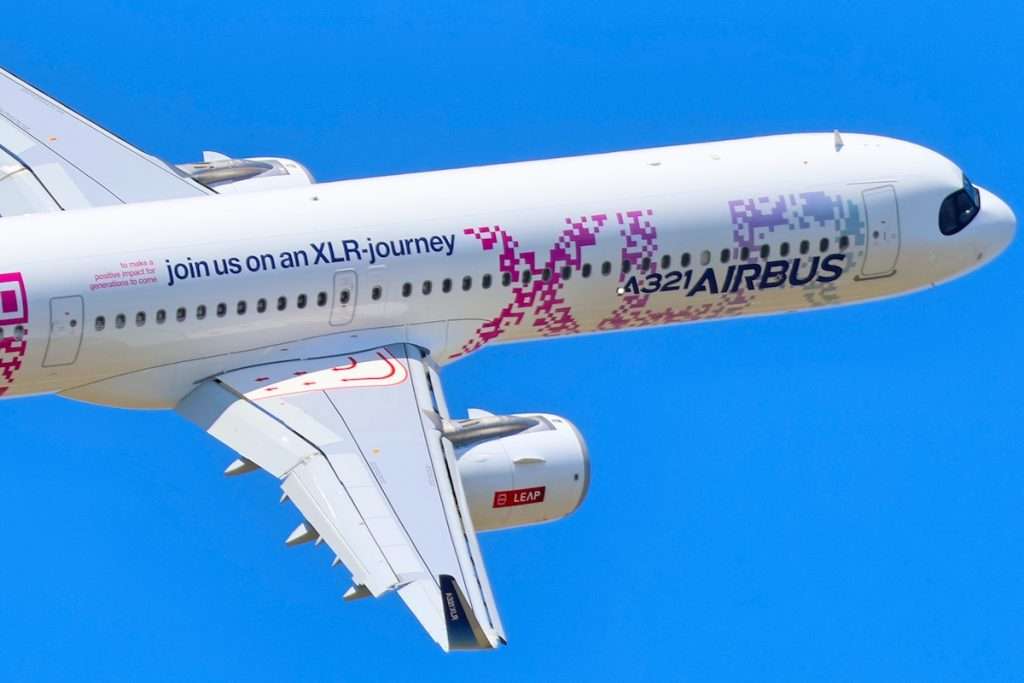
Airlines discovered it was well worth the wait despite launch delays as it’s proved itself in the sky and on the bottom line.
What Makes The A321XLR So Different?
The A321XLR became the longest single-aisle aircraft in history when it launched. The added space and operational efficiency completely transformed long-haul flights. Airlines could now serve long, thin routes more efficiently as they strive to expand their destination networks.
Passengers boarding the A321XLR for a long-haul flight will be surprised to find just one aisle to make the journey. To compensate for the narrowbody design, it has a larger cabin for larger seats, bigger overhead bins, and two-class cabins that many airlines are outfitting with lie-flat seats for the first time in a narrowbody. Most configurations will have 180-220 seats.
The A321XLR is equipped with a rear centre tank (RCT) that can hold up to 12,900 litres of extra fuel compared to the standard A321 model. This makes long-range flights possible, with the aircraft capable of flying up to 11 hours.
Many airlines have set their sights on transatlantic routes, but this also opens opportunities for routes between North and South America and between the Middle East and Asia and the Pacific. With many airlines targeting second-tier cities with this aircraft, the narrowbody size makes it perfect for the smaller airports.
Who Has Actually Bought The A321XLR
Airbus first announced the A321XLR at the 2019 Paris Air Show. Shortly after, it racked up more than 450 orders from more than 20 airlines worldwide. As of 2026, it has surpassed 500 orders, with airlines ordering dozens at a time to get their hands on it.
Some airlines have switched their A320neo family orders to the A321XLR. Delays mean that it can barely keep up with demand. And as more XLRs get delivered and flying successfully, orders may continue to increase.
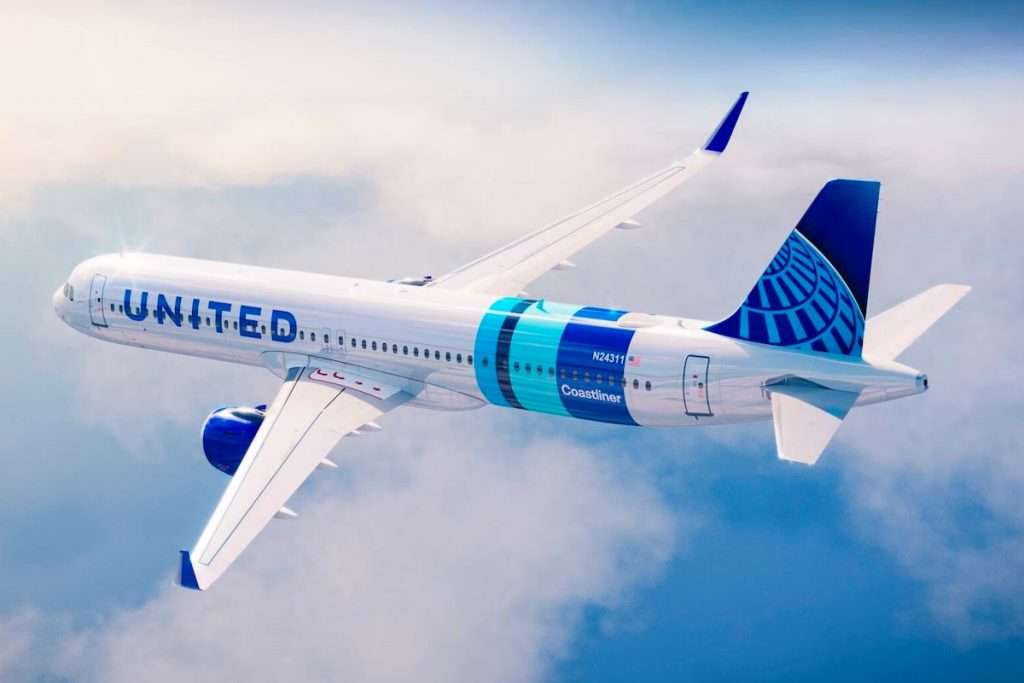
The biggest customer for the A321XLR is United Airlines. It ordered 50 aircraft and received the first delivery in June 2026. As more aircraft arrive, it will phase out its fleet of Boeing 757s and take over many of the same routes, including Newark (EWR) to Edinburgh (EDI), Houston (IAH) to Lima (LIM), and Washington/Dulles (IAD) to Dublin (DUB).
Air Canada is another North American airline with a sizable order for the XLR. It ordered 30 aircraft to replace the 737 MAX. It’s leveraging the long-haul range for the transatlantic Montreal (YUL) to Toulouse (TLS) route and to Caribbean destinations starting with Bridgetown, Barbados (BGI).
Jumping across the pond, Qantas is one of the more unique use-cases for the A321XLR. It also plans to replace the 737 fleet with its order of 48 XLRs. It’s embracing the new aircraft by naming each aircraft after a famous Australian landmark, road, or walk. The first one was delivered in 2025 and is named Great Ocean Road.
How Are Airlines Using The Aircraft?
The A321XLR’s flexibility makes it a versatile aircraft in any airline’s fleet. Each of these three major buyers plans to utilise the aircraft in a unique way best suited for their operations.
Qantas is using the XLR to execute Project Winston, the renewal of its domestic fleet. It will enhance the flying experience for passengers travelling from Sydney to Perth and Melbourne. As it receives more deliveries, it will also introduce international routes, launching Brisbane (BNE) to Manila (MNL) in late 2026/early 2027.
The A321XLR gives United the flexibility to connect smaller US cities with direct routes to Europe. But one of the biggest changes compared to the aging 757 fleet is the on-board experience. The spacious XLR will introduce more premium seating options and fewer economy seats. It will feature a four-cabin configuration with United Polaris business class lie-flat seats, Premium Plus, Economy Plus, and Economy.

ABOUT THE AUTHOR
Bryan Shelmon is an aviation journalist with 10 years of experience covering commercial aviation, private aviation, airports, aircraft and wider industry news. Based in the Detroit metropolitan area, he has contributed to publications including Lonely Planet, Matador Network and Visit Detroit.
Related Articles




Stay Informed
Get the latest aviation news, analysis and route updates delivered to your inbox.
We respect your privacy. Unsubscribe at any time.
Enjoyed this story?
Make us your go-to for aviation news
Add us as a preferred source on Google and see our latest stories first in Top Stories.
Add Us On Your News Feed