

Emirates’ patience with the Boeing 777X has worn thin throughout the 2020s. President Sir Tim Clark has often taken the opportunity to publicly critique the jet and the many missteps that have forced lengthy delays.
Now, Clark has made it abundantly clear that the early-built 777-9s will be rejected by the airline, likening their value to baked bean cans and something that will not be taken despite their build.
Flagged by reporting in The Telegraph, the comments come as preparations ramp up for the delivery of the first 777-9 in 2027 and Emirates readies for access to the long-delayed jet.
Tim Clark’s Verdict On The Early 777-9s
Clark’s headline commentary on the 777-9 centres on the jets assembled in 2019 and 2020, which were completed in an early configuration. That early configuration came before the multiple structural, software, and system changes were baked into the overall certified design over the years.
Clark told The Telegraph that they will outright refuse to take on the batch of these 777X models, stating that “we’re not taking them, and that’s it.” He reaffirmed his stance, saying that as far as they’re concerned, what Boeing does with these early-built 777-9s is up to them, but his airline won’t be taking delivery of these.
While Boeing has been said, according to Clark, to be trying to find new homes for these aircraft, it’ll be a struggle, as the early-built models require significant rework to more closely align with the current certification build. The cost and resources required to make the change may not be worth the ordeal.

Clark’s outright rejection of the early-built 777-9s isn’t a surprise. Still, his comments flag a grueling certification period for the flagship product and how, over the decade, the design for the jets has shifted significantly.
The Emirates Chief is pointing to the many FAA-regulated airframe modifications during certification, which puts the early 777-9s that have been on the ground for years under a completely different scope from what is currently being built and undergoing flight-test certification.
The modifications resulted from static fuselage failures during pressurization and the subsequent reinforcement work needed. Major software changes followed after pitch-up behavior was identified in 2020, and a thrust control issue in 2024 forced a further redesign and delay.
When all of these, among other struggles on the Boeing 777X, are put together, it shows changes that leave these early airframes so far from their final configuration that heavy rework would be required to make them feasible for EIS.
Clark has warned before that his airline would not accept any 777Xs that fall short of contractual performance and the reliability commitments in place. In 2021 he spoke with Reuters and said: “We will not accept an airplane unless it performs 100% in accordance with the contract.” His latest views are a further reiteration of that.
Emirates Comments After WH007 Scrapping: A Forgotten 777-9
Emirates President Sir Tim Clark’s further comments about the 777-9 and his reluctance to take on some of the early builds follow previous reporting by The Air Current, which revealed that one of the early Emirates-bound 777-9s had already been scrapped.
Known as WH007, this jet was the seventh 777-9 ever assembled and rolled out in July 2019 with partial branding of the Dubai-based carrier featured on the folding wingtips. However, while expected to enter service as A6-EZT, it never did, nor did it ever receive its engines. That meant, across its six years stored at Paine Field, it never flew.
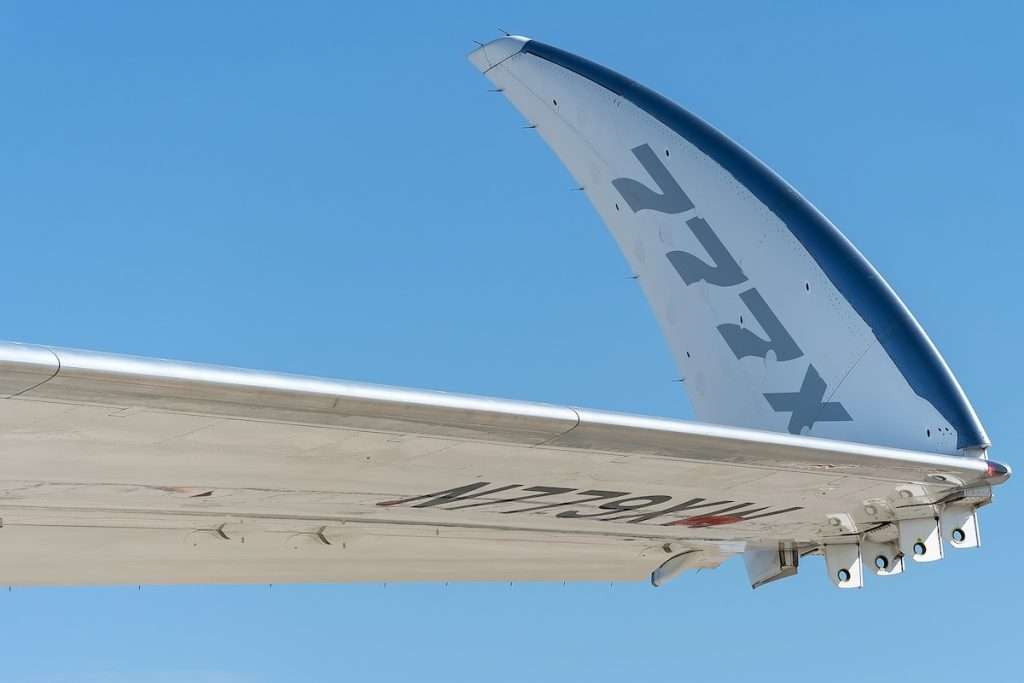
By 2025, and as Clark has flagged, the gulf between the early build standard and what had developed into the certified design couldn’t have been further. With the many structural reinforcements and software fixes paired with the system changes, the gap was so large that Boeing couldn’t make the economics of a rework make sense internally.
As a consequence, the airframe was dismantled in late summer 2025 and the cost written off as part of the roughly $15 billion in charges that Boeing has already put against the 777X programme. A heavy price to pay for a flagship that has had it anything but smooth since first entering the industry in 2013, to a loud reception from international carriers.
Clark’s View On 777-9 Highlights The Boeing Headache
Emirates’ rejection of early-build Boeing 777-9s comes amid strong progress on the 777X as the planemaker advances through the remaining pillars of flight certification to get the green light from the Federal Aviation Administration.
However, it has grappled with many early-built 777-9s for years, and that strong inventory has caused headaches. While building the planes and an anticipated normal approval process made sense on the surface, hindsight has shown the 777X to be a dramatic example of how the current number of pre-built jets in storage has ballooned.
Similar to the 737-7s, which will be certified this month, early builds for the likes of Southwest Airlines will also require reconfiguration and updates to meet their final certified standard and customer expectations.
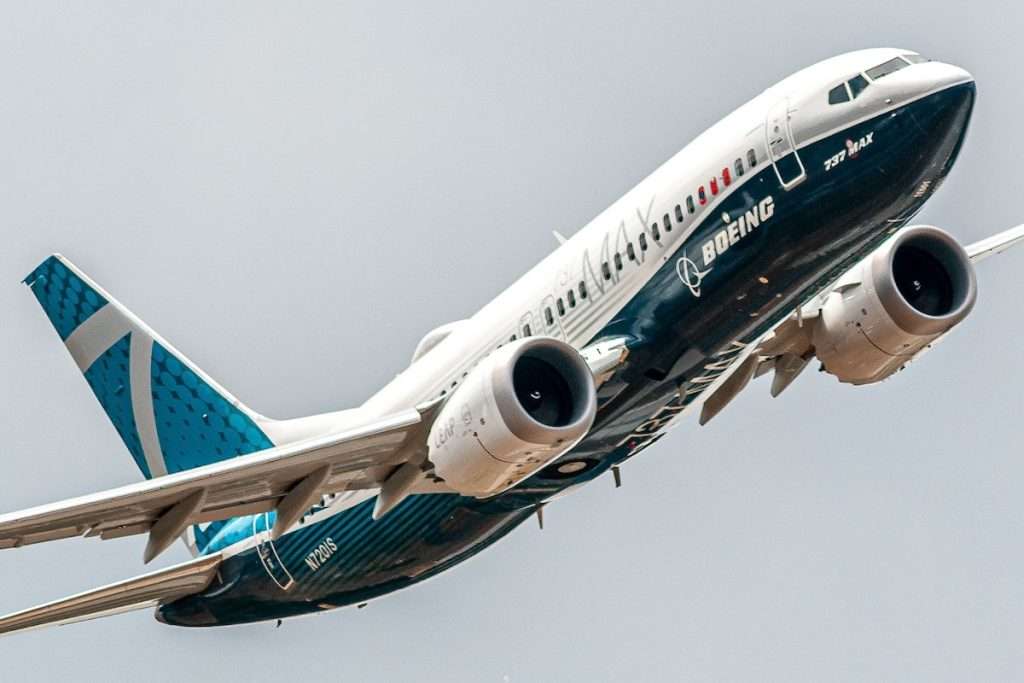
While reworking the 737-7s isn’t as costly as the 777-9s, it presents the same set of challenges that come during a certification process that drags out longer than anticipated. The inventory has become a headache, and Clark’s comments tap into the unease around this era of production for uncertified models.
For Boeing and Emirates, there’s good news: quality metrics and oversight have dramatically improved since these pre-builds, meaning the jets currently slated for delivery are meeting the criteria set out or requiring only slight work.
Ultimately, those early 777-9s rejected by Emirates show how far the planemaker has come and are a timely reminder of the risks of building too early with such uncertainty to come. Additionally, it’s a reminder of a time the business is aiming to continue improving and moving forward from.

ABOUT THE AUTHOR
Daniel Fowkes is a Melbourne-based aviation analyst and journalist with over a decade of industry experience. As founder of Dj’s Aviation, he delivers trusted analysis on aircraft, airline strategy and global aviation trends for djsaviation.net
Related Articles




Stay Informed
Get the latest aviation news, analysis and route updates delivered to your inbox.
We respect your privacy. Unsubscribe at any time.
Enjoyed this story?
Make us your go-to for aviation news
Add us as a preferred source on Google and see our latest stories first in Top Stories.
Add Us On Your News Feed