
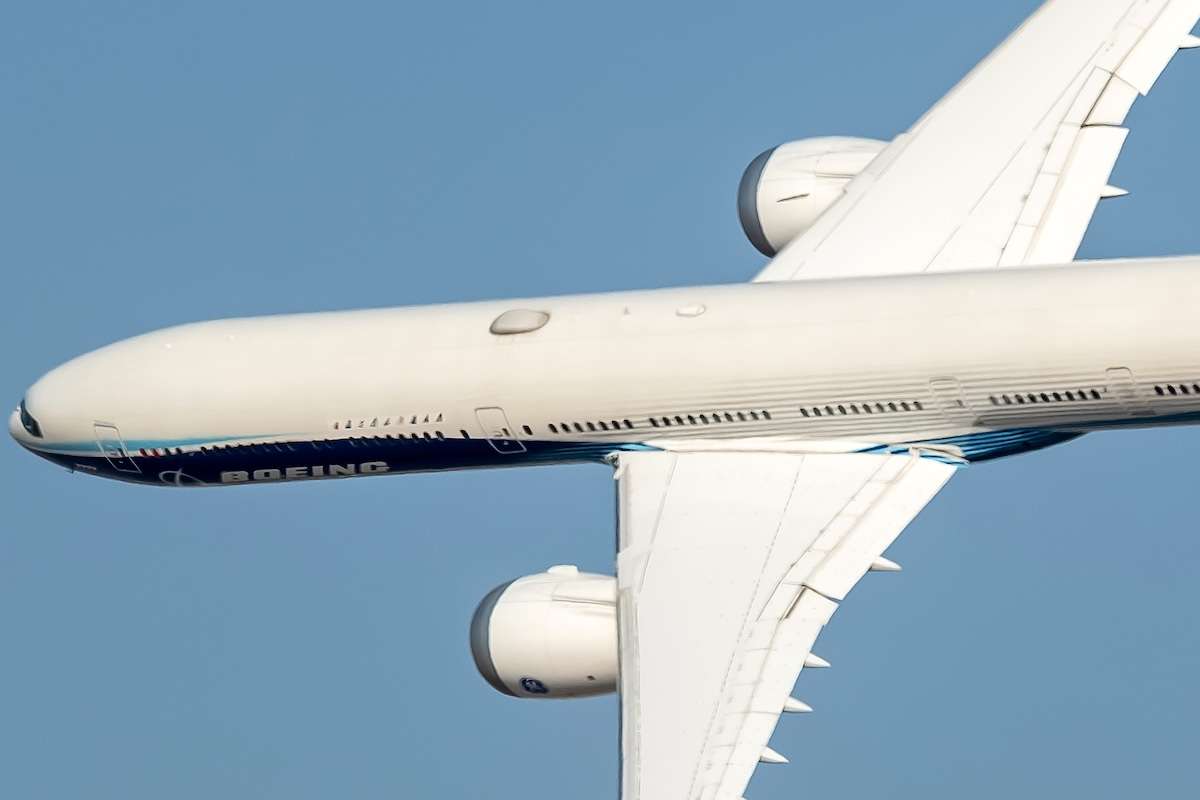
A Boeing 777X has been scrapped before it had received certification, a rare occurrence for any model, let alone one of this stature.
The company concluded that scrapping the 777-9 would be cheaper than reworking it to the latest standard configuration required to proceed with testing and delivery.
According to Jon Ostrower at The Air Current, the jet, line number WH007, was initially earmarked for Emirates, which has close to 250 of the model on order and is the largest customer.
However, the jet was dismantled at Everett in late 2025 as part of Boeing’s ongoing efforts to clear the backlog of recently built jets that no longer match the certified configuration.
What The Boeing 777X Scrapping Means
Per The Air Current’s reporting, WH007 rolled out in 2019 and was partially painted in the Emirates markings; however, it never received engines and, as a consequence, never flew. Instead, it spent around six years in storage at Paine Field.
Boeing chose, after over half a decade spent on the ground, to cut its losses and move ahead with scrapping the type, breaking it up rather than completing it and reworking it to meet the current standard.
As a consequence, this airframe was caught in a tangled web. This is when the certification process has dragged on for so long that design changes, fixes, and retrofits mean the original build standard is no longer relevant.
Through the years and the many delays the 777X programme has encountered in its certification, there have been many 777-9s in the inventory that have needed heavy structural changes, system shifts and other rework to meet not just the expectations of regulators but customers.
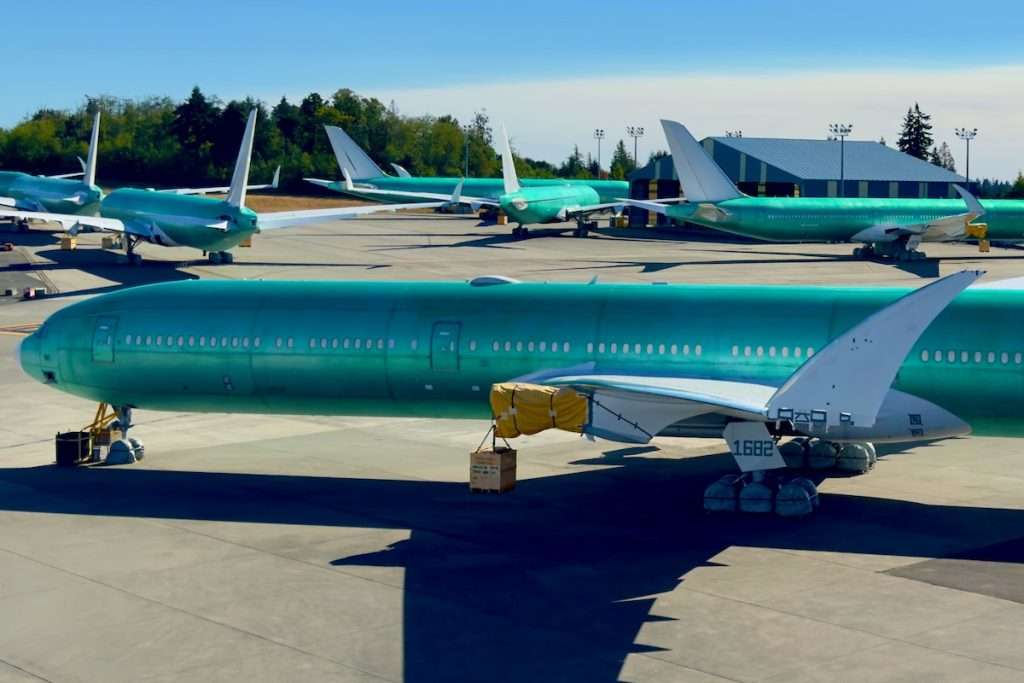
Scrapping WH007, while harsh, was always the preferred option over upgrading it. The costs and time associated with the rework aren’t minimal. Emirates’ President Tim Clark has often been blunt about early-built airframes and has said he is not willing to take them on either.
The WH007 being written off also appeared in the prior financial results and is thus part of the roughly USD 15 billion in charges the planemaker has incurred for the 777X programme since its inception.
A Look Into The Rework Crisis For Boeing
While the scrapping of WH007 may seem isolated, it’s part of a larger problem the manufacturer has been battling for several years. Boeing has dozens of 777-9s in various stages of completion and build before the establishment of pre-certification standards.
Every time either Boeing’s own engineers sign off on another design tweak, let alone the governing regulator overseeing the process of the Federal Aviation Administration, the inventory aircraft drift further away from the newly considered configuration to be certified.
Scrapping a frame like WH007 is symbolic of what has been a long, drawn-out process for approval on the newest long-haul flagship. Additionally, it shows that not every early airframe in the certification process is salvageable, given the associated costs and logic.
Some of the planemakers’ 777-9s destined for airlines have seen their rework completed, while others are seeing valuable parts put into the parts pool, and this is by no means a first. Mirroring examples can be seen on the 787, where early-build jets were scrapped, and our parts were parted out to manage the overwhelming costs of completion and rework.
In the 777X’s case, some analysts flag how the planning for Boeing, while not foreseeing what would transpire across the 2020s, resulted in too many of the 777-9s being built early on, which banked on a fast certification that never came.
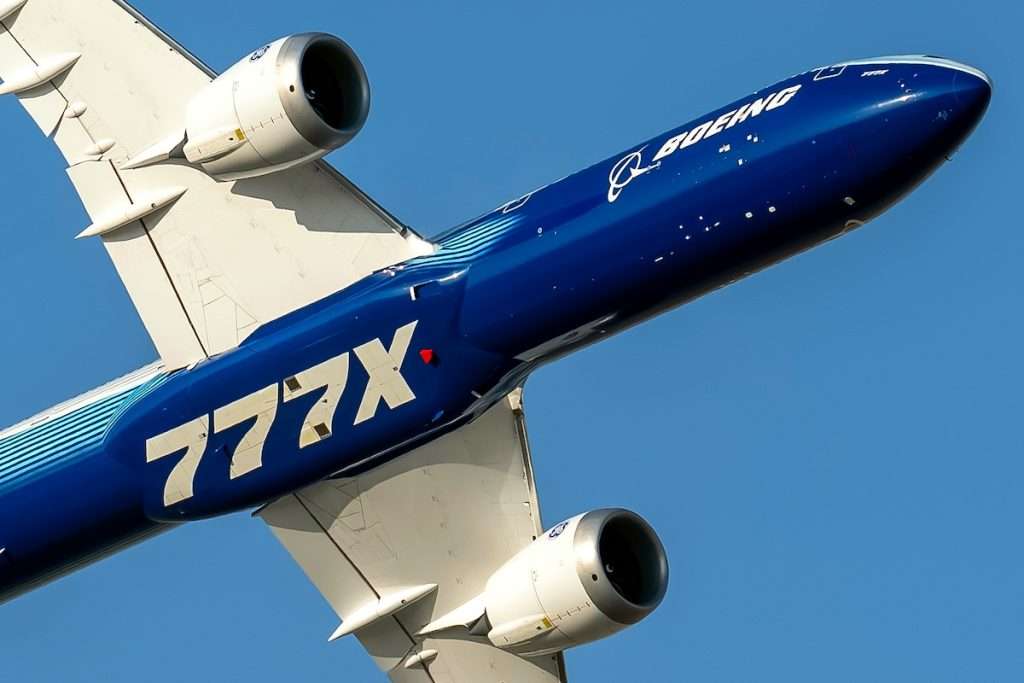
From engine issues and structural problems to the already expected security from a regulatory standpoint, increasing these airframes never quite stood a chance, and, once viewed as assets, they quickly turned into liabilities.
Hindsight in circumstances like these is wonderful, but not relevant in the moment when the jets were being built. In Boeing’s case, it’s valuable learning and part of the experiences it can take with it for future programmes, but the burden is undoubtedly clear.
The 777X is expected to be certified and begin being delivered in 2027. However, this will come 7 years after the 2020 timeframe penciled in and 14 years after the jet was revealed to the industry.

ABOUT THE AUTHOR
Daniel Fowkes is a Melbourne-based aviation analyst and journalist with over a decade of industry experience. As founder of Dj’s Aviation, he delivers trusted analysis on aircraft, airline strategy and global aviation trends for djsaviation.net
Related Articles




Stay Informed
Get the latest aviation news, analysis and route updates delivered to your inbox.
We respect your privacy. Unsubscribe at any time.
Enjoyed this story?
Make us your go-to for aviation news
Add us as a preferred source on Google and see our latest stories first in Top Stories.
Add Us On Your News Feed