
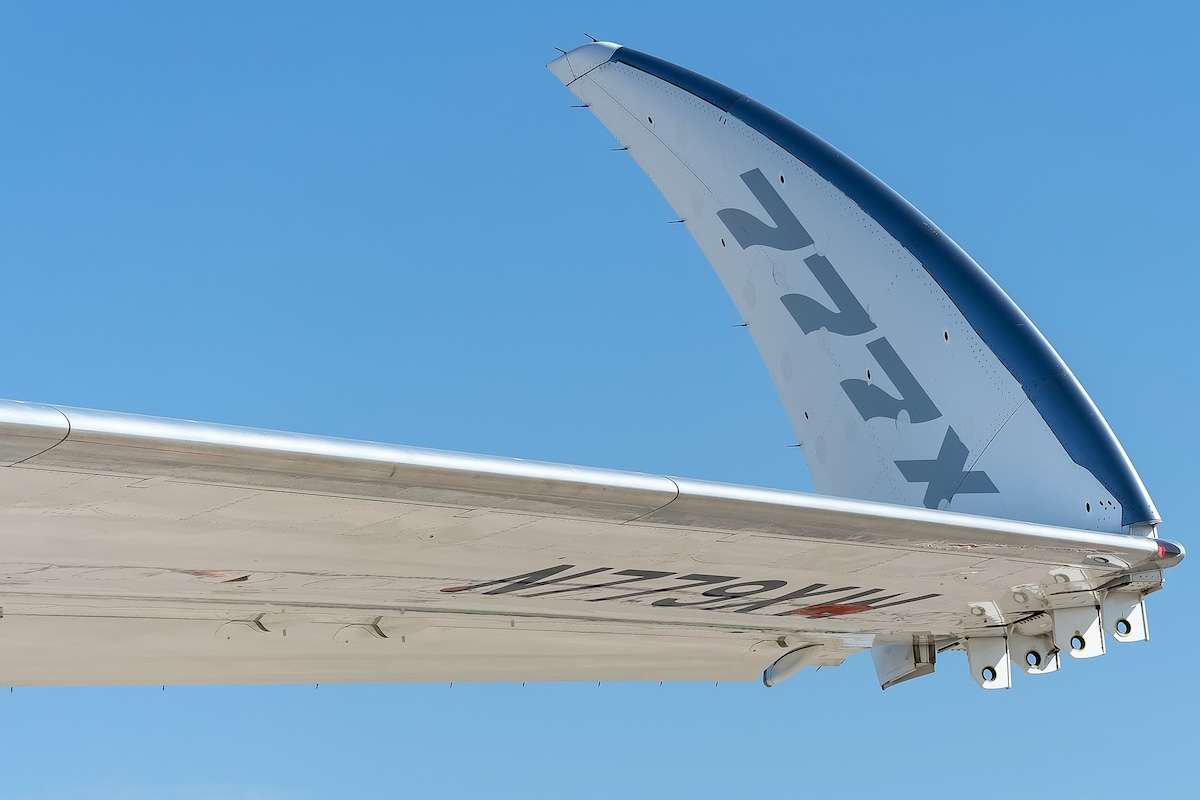
Scandinavian flag carrier, SAS, just placed its largest order in its airline history, in favour of the Airbus A330neo over the Boeing 777X.
Over the past few months, SAS has mulled over which aircraft will replace its flagship widebody aircraft. In June 2026, it finally made its decision in a move that will literally put SAS on the map for major airline players in Europe.
While the A330neo is a good fit for SAS, it’s still debatable whether the 777X would have been a better option.
SAS’s Pursuit Of A New Widebody Begins
SAS is back and ready to claim its throne in the airline industry. The airline filed for bankruptcy in 2022 and underwent two years of internal restructuring before finally emerging in 2024 with a renewed outlook on its operations.
It now has a US$1.2 billion investment and the SAS FORWARD plan to begin its rebirth. The main goal of the plan is to save money, which includes replacing older, less efficient aircraft in its fleet.
With industry demand shifting towards longer-haul flights, SAS began steps to expand and modernise its fleet to support this market. The spotlight turns to the widebody fleet, spearheaded by the A350-900s, alongside the A330-300 and A321LR aircraft.
Replacing these with more efficient aircraft would help SAS introduce routes from its Scandinavian hubs in Copenhagen Airport (CPH), Stockholm Arlanda Airport (ARN), and Oslo Airport (OSL) to destinations in Asia and South America.

One of the driving factors is SAS’ new airline alliance. In 2024, it switched from the Star Alliance network to SkyTeam, alongside Air France-KLM, which is nearing a deal to become a majority owner in the airline.
Under the new alliance and new majority stakeholder, SAS would be a valuable addition to the network, allowing another hub to transport passengers on long-haul routes via regional transfers.
To support this strategy, SAS needed to expand its widebody fleet for long-haul routes.
Boeing 777X: A Possible Option Per Reports
SAS approached its new widebody order with an open mind, considering aircraft from both Airbus and Boeing. SAS CEO Anko van der Werff mentioned the 777X as a potential option.
The news stood out among the other aircraft considered, as it was the largest in the mix. It shed light on SAS’s ambitions and capabilities in operating an aircraft of this size.
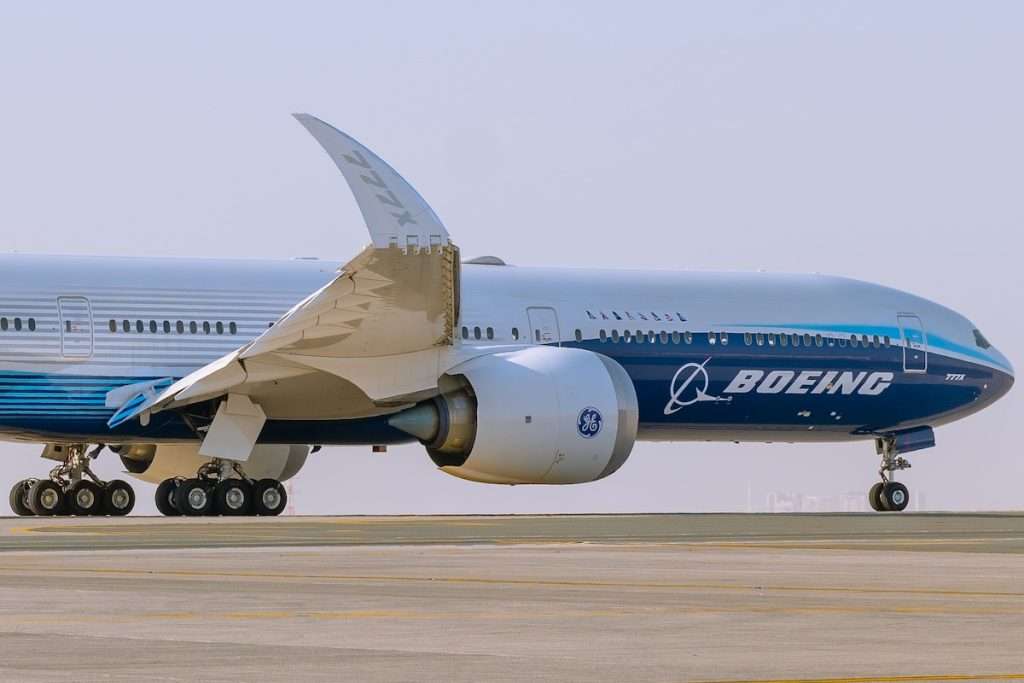
The 777-9 is an ultra-long-haul aircraft with a range of up to 14,820 km and a capacity of more than 400 passengers. It supersedes the 787-10, which was also considered, but only has a range of 11,720km and seats 330 passengers. Opting for the largest model is a clear sign that SAS was ready to overhaul its business strategy in favour of high-demand, long-range routes.
The 777X was a suitable aircraft for the SAS FORWARD plan. It’s a next-gen aircraft designed with a longer range and better fuel efficiency. It would be cheaper to operate per seat, as long as it could fill them.
This introduced one of the biggest concerns over choosing the 777-9. Constant demand for routes from its hubs may not be sufficient to support an aircraft of this size.
Although it has excellent fuel efficiency, leaving empty seats would cut profit margins. Even cutting route frequency was an option, but that would alienate some of SAS’ core customers.
With cutting costs a major priority for SAS, which just emerged from bankruptcy, investing in a sizable order of the 777X, which costs US$440 million, would ultimately be outside its financial scope.
Boeing Snubbed For Airbus In A330 Deal
SAS succeeded in closing a head-turning deal, striking a deal with Airbus to secure the A330s. It was a strategic move for the airline that addresses many of its goals for the current and long-term.
The retail value of the SAS-Airbus deal surpasses US$10 billion. A deal of this size, and more specifically for an airline that just emerged from bankruptcy, is the biggest shock. However, examining the deal further shows it holds some merit that can benefit the airline going into the next decade.
The deal includes up to 40 aircraft: a firm order for 18 new A330-900s and an option to purchase 10 additional aircraft. Also, a lease order for 12 A330-300s. With Airbus’ long backlog of aircraft, including leases in the deal, it helps SAS renew its fleet much sooner while it awaits the new A330neo.
Thanks to fleet commonality, there will be a seamless transition from SAS’s current all-Airbus widebody fleet to the new leased aircraft, and ultimately to the A330neo. That means substantial time and financial savings on certifying pilots, maintenance, and crew training.
Closing the A330neo deal means SAS felt it was the superior aircraft for its operations over the 777X and 787 options. Price could be a major contributing factor, since the A330neo costs less than US$300 million. It was able to maximise capacity by opting for the A330-900, with a capacity of up to 300 passengers, over the smaller A330-800, which capped capacity at 260 seats.
Did the 777X Ever Make Sense For SAS?
Based on the current fleet mix, seat capacity on its widebodies, and popular routes, it seems the A330neo has always been the perfect fit for SAS. So why even consider the 777X?
The 777X consideration was an attempt by SAS to push the boundaries of its operation. With its ambitions to sustain growing demand for long-haul flights, especially between Europe and other continents, demand could have caught up to the 777X’s capacity.
Purchasing new aircraft is a long-term plan with models remaining in service for at least 15 years. SAS’s addition to a new airline alliance and its becoming a subsidiary of Air France-KLM could have supported the larger aircraft over the next few decades, even if current demand appears better suited to the A330neo.
If SAS wasn’t just re-emerging from bankruptcy, a bet on the 777X’s future outlook could have eventually paid off. However, its current goal of keeping costs manageable likely leans towards the A330neo for now, as it climbs its way back into good standing.

ABOUT THE AUTHOR
Bryan Shelmon is an aviation journalist with 10 years of experience covering commercial aviation, private aviation, airports, aircraft and wider industry news. Based in the Detroit metropolitan area, he has contributed to publications including Lonely Planet, Matador Network and Visit Detroit.
Leave a Reply
Related Articles




Stay Informed
Get the latest aviation news, analysis and route updates delivered to your inbox.
We respect your privacy. Unsubscribe at any time.
Enjoyed this story?
Make us your go-to for aviation news
Add us as a preferred source on Google and see our latest stories first in Top Stories.
Add Us On Your News Feed
There is no comparison between the 777X and the A330neo. SAS does not need the 777X because it it very big and SAS has a very poor inter-continental network. The largest plane that SAS needs is the size of A330-900/787-9/A350-900. This is no surprise at all that SAS has chosen the A330neo over the 777X.