
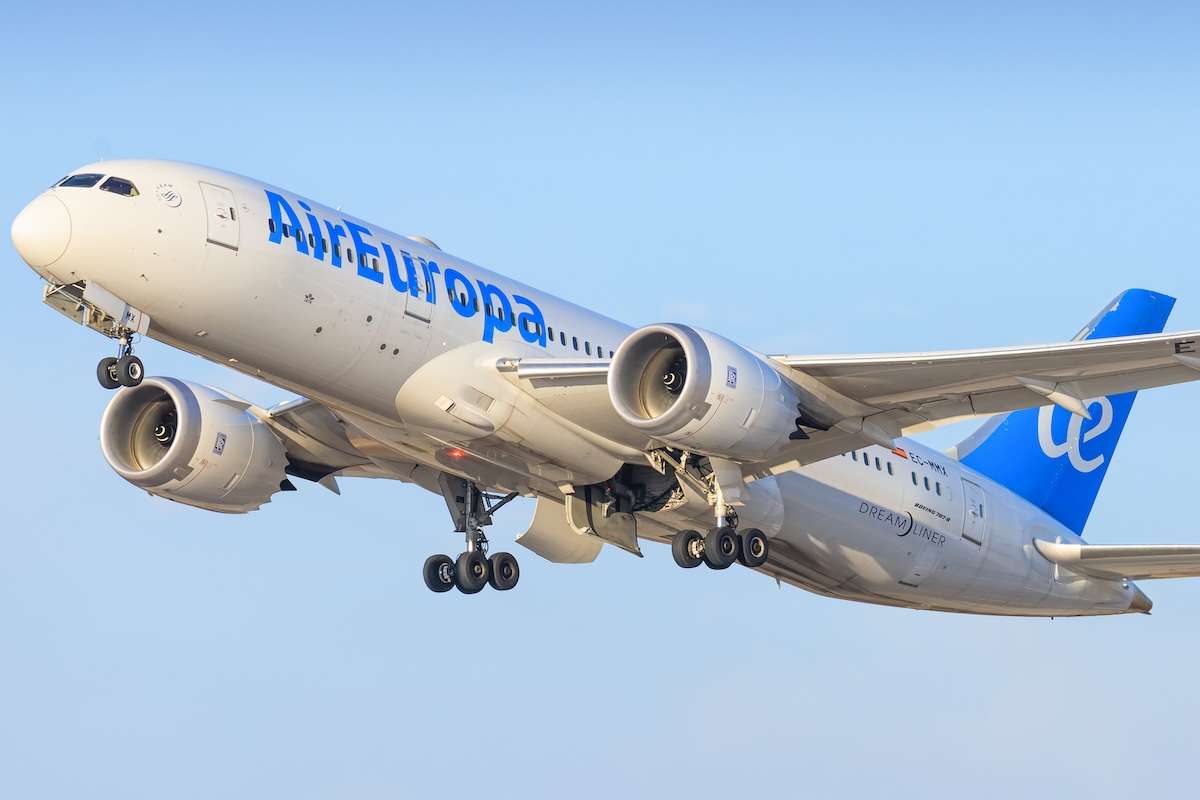
An Airbus A321XLR and Boeing 787 with two Spanish airlines narrowly avoided a mid-air collision over the Atlantic on 10 July 2026.
In what was a potentially serious incident that was avoided and well managed, the modern safety systems on jets were highlighted and shone through, preventing vulnerabilities during flight.
Two Aircraft At The Same Level
The sequence of events saw Iberia flight IB140, operated by an A321XLR registered as EC-OLE, cruising northbound at flight level 360, approximately 36,000 feet, on airway N857, right off the coast of Western Sahara within the oceanic sector of the Canary Islands.
However, Air Europa’s flight UX57, operated by a Boeing 787-9 Dreamliner, was flying southbound on the same airway at FL360, heading from Madrid towards São Paulo.
At some point, flagged by reporting from the likes of Aviation Herald, around the 0122-0123 UTC mark on 10 July, both aircraft were cleared to maintain FL360 despite being on opposite tracks across the same route segment and between the oceanic waypoints of ETIBA and BIPET.
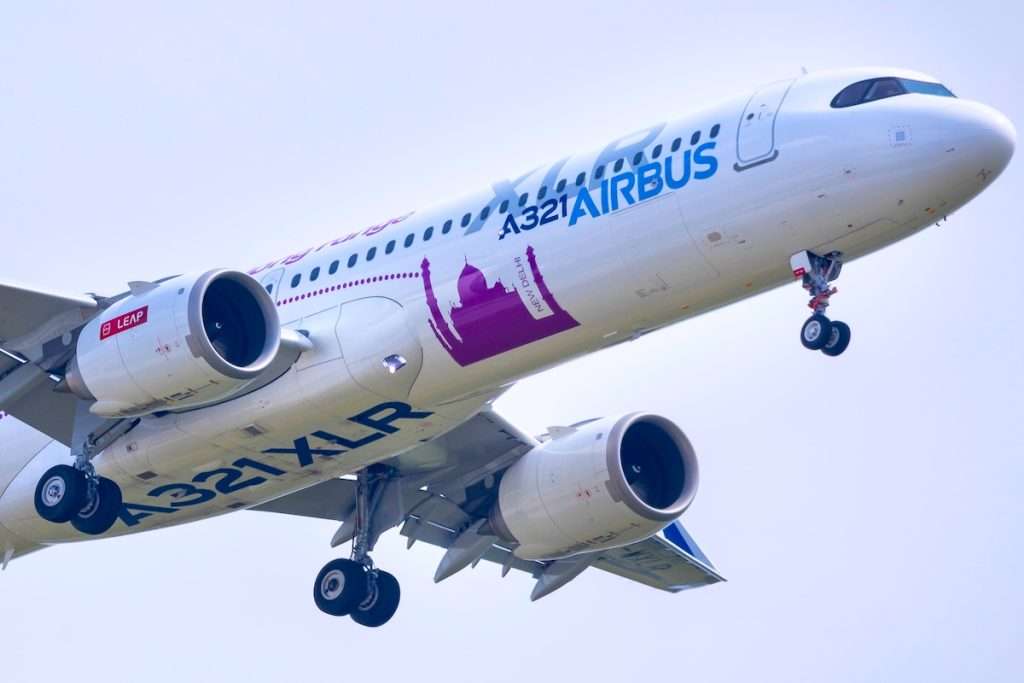
As a consequence, in normal operations, the longitudinal separation and time spacing are subject to strict level allocation rules to prevent such instances. But these jets were lined up at the same altitude and on a subsequent collision course.
This then triggered the TCAS, the next layer of protection installed on aircraft. Now, Spain’s accident investigation authority, the CIAIAC, is coming out and setting the record straight about the two larger aircraft closing head-on at a combined speed approaching 900 knots.
TCAS Helps The A321XLR and 787
When aircraft come close to each other, TCAS is triggered only on certain parameters, and both pilots receive a Traffic Advisory (TA) alert indicating that conflicting traffic is nearby. Seconds later, the systems that escalate to the Resolution Advisory instruct the planes to adjust their course.
In the case of the Iberia and Air Europa jets, respectively, they were informed to descend and climb. The crews followed these commands precisely and immediately, with the CIAIAC’s initial note stating that the Iberia A321XLR descended from FL360 to FL355 and held that level until it received instructions from the TCAS to level off.
The Air Europa Boeing 787, meanwhile, climbed around 400 feet, taking it closer to the FL364 mark and maintaining that altitude until it was informed that it was clear of conflict, a signal that the separation had been successful. Only then were both aircraft able to adjust back to their standard levels.
No injuries, no damage, and nothing happened; both planes avoided this potential collision thanks to the aircraft’s technology. As a result, moments like these are textbook for TCAS; however, they’re another timely reminder of how automated guidance, paired with the crew’s discipline, helps avoid potential incidents in crowded airspace.
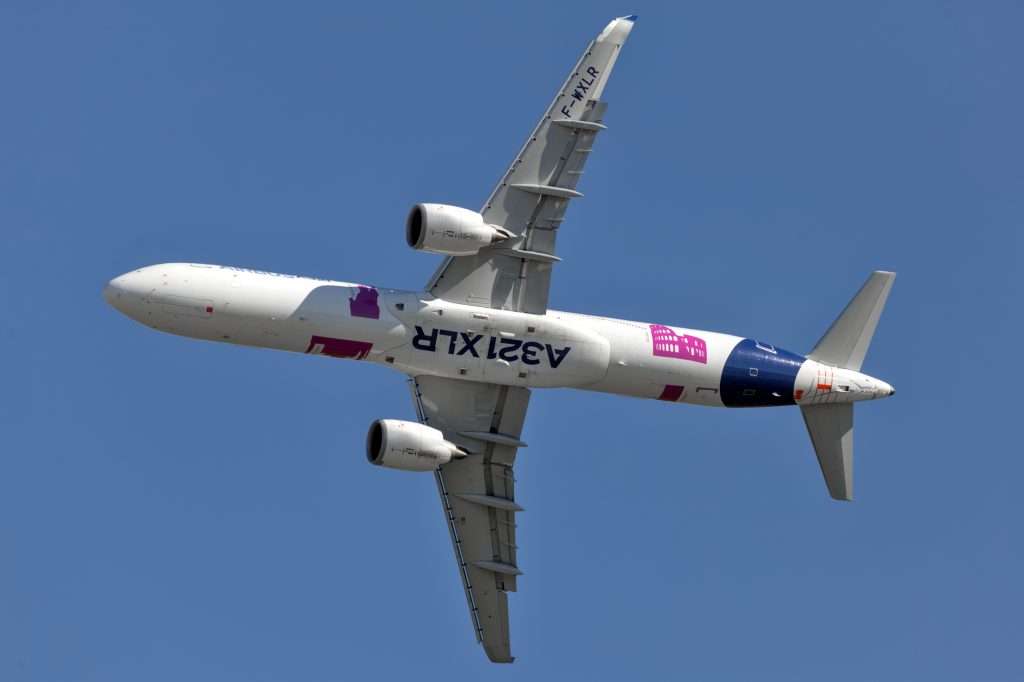
Investigators will now dig deeper into the unanswered questions surrounding how the jets were at the same flight level on a gateway across the waters. The formal investigation is looking into the oceanic clearance and coordination to determine whether the flight was cleared or whether clearance issues placed them on the same level.
Additionally, communication and reporting will be important for these investigators to dig deeper into whether the jets deviated from assigned levels, whether turbulence played a role, or whether something else was at play. Flight data, TCAS, and other important recorders will be used to see how procedures were followed and to verify that no anomalies occurred.

ABOUT THE AUTHOR
Daniel Fowkes is a Melbourne-based aviation analyst and journalist with over a decade of industry experience. As founder of Dj’s Aviation, he delivers trusted analysis on aircraft, airline strategy and global aviation trends for djsaviation.net
Related Articles




Stay Informed
Get the latest aviation news, analysis and route updates delivered to your inbox.
We respect your privacy. Unsubscribe at any time.
Enjoyed this story?
Make us your go-to for aviation news
Add us as a preferred source on Google and see our latest stories first in Top Stories.
Add Us On Your News FeedRelated articles
· Uncategorized
· Routes
WestJet Is Cancelling 3 European Routes
Daniel Fowkes
03/10/2026
· Uncategorized
Lufthansa’s Boeing 777X & Airbus A350 Gamble
Bryan Shelmon
10/09/2026
· Emergency Landing
· Uncategorized
SWISS A330 Makes Emergency Landing As Smoke Fills Aircraft
Daniel Fowkes
28/07/2026
· Uncategorized
Airbus A321XLR and Boeing 787 Avoid Collision
Daniel Fowkes
19/07/2026