
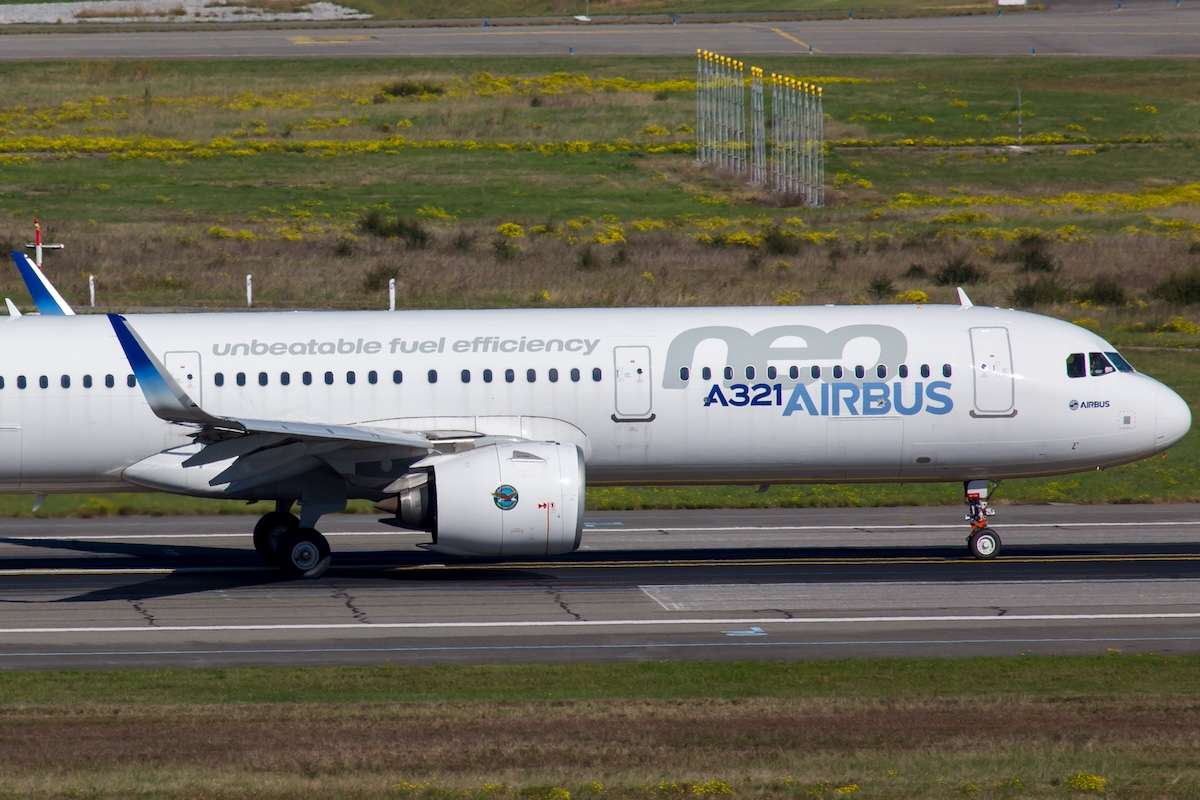
Airbus is rolling out a new, fresh design update to its A320neo family, thanks to the technology and lessons learnt from the A321XLR.
The changes aimed to improve performance and efficiency, also extending to the passenger experience with lessons in cabin comfort that can be adopted and integrated into jets.
Grouped under a package known as “STEP4”, this is the latest evolution confirmed by Airbus in its popular single-aisle programme, which has outpaced Boeing and the 737.
What Airbus Will Change Across The A320neo Family
In a feature titled “beyond the XLR,” Airbus published its plan for the future of the A320neo family, with a direct look at the A321XLR and how the innovations applied here can now be applied more broadly across the A321neo and A321no types.
STEP4 looks to ecomphass aerodynamic refinements and updates to the systems aimed directly at squeezing more efficiency and comfort out of the existing airframes. However, that efficiency squeeze is done in a manner that does not require a major re-certification effort.
The technical side sees the XLR’s work on fuel systems, and structural integrity now hits the broader family. The A321neo is seeing the introduction of refinements to the wing and flap control laws, with weight-saving measures in the fuelsage and systems.
These sweeping changes to the A321neo help fine-tune range and payload performance while keeping the jet within the existing certification envelope, avoiding complications.
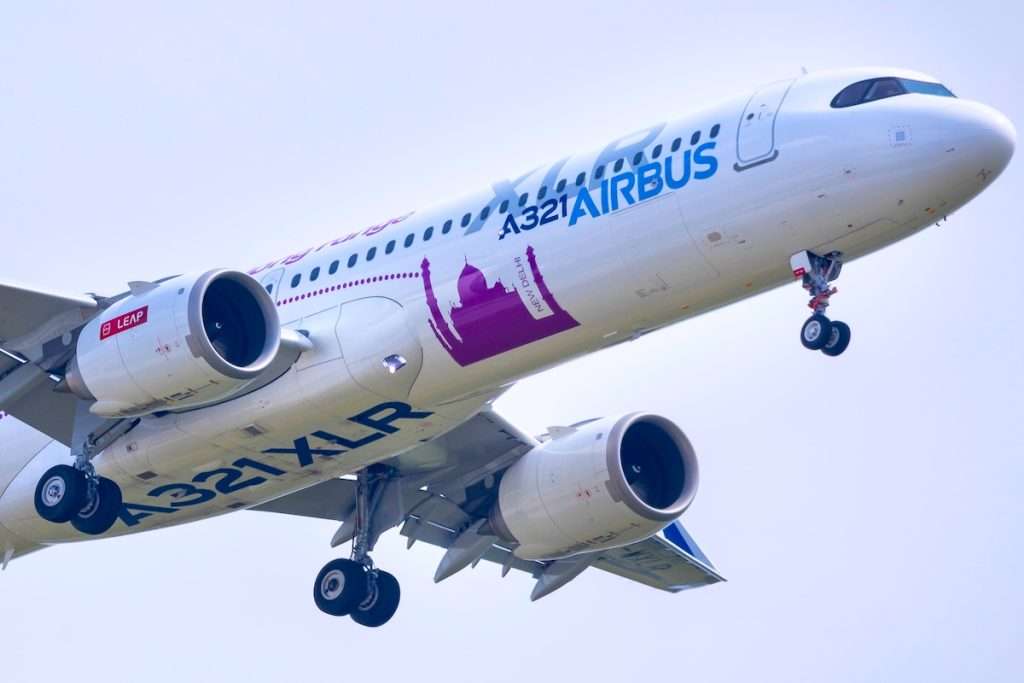
Thanks to the development of the A321XLR, Airbus says it has been pushed to validate new structural and thermal solutions on the rear centre fuel tank. Elements of that architecture, alongside the associated software, have now underpinned a much more unified philosophy for fuel system design across the family.
Inside the cabin, Airbus says it will continue to roll out the Airspace interiors on more jets within the A320neo family and that it is not limited to new production-built jets but also to airlines retrofitting their existing aircraft.
The fresh cabins aim to increase overhead bin size, and new sidewalls provide improved lighting to enhance the passenger experience. Lavatories and galleys are also receiving updates to benefit from the XLR’s learnings and provide better support for longer flights, which is vital for the A321neo and its derivatives.
But Why Is Airbus Making The Changes?
Airbus’s innovation of the A320neo family, according to analysts, makes sense, and there are several reasons why the evolutions are stepping up, none more so than the recent pressures surrounding its programme.
Despite strong success from an order standpoint, the engine issues, particularly those with the Pratt & Whitney PW1100G geared turbofans, have constrained aviation and created a backlog of aircraft for quite some time.
At the same time, the global demand rate for the A320neo and especially A321neo hasn’t slowed, and has become more intense, meaning that Airbus has been forced to temper expectations and planned ramp-up ambitions to the targeted 70-75 per month.
In this context alone, the problems, coupled with the strong demand, have put the programme in a frustrating position. By squeezing more out of each delivered airframe, Airbus can keep the family attractive and competitive, showing value to customers and its commitment to innovation despite the stresses.
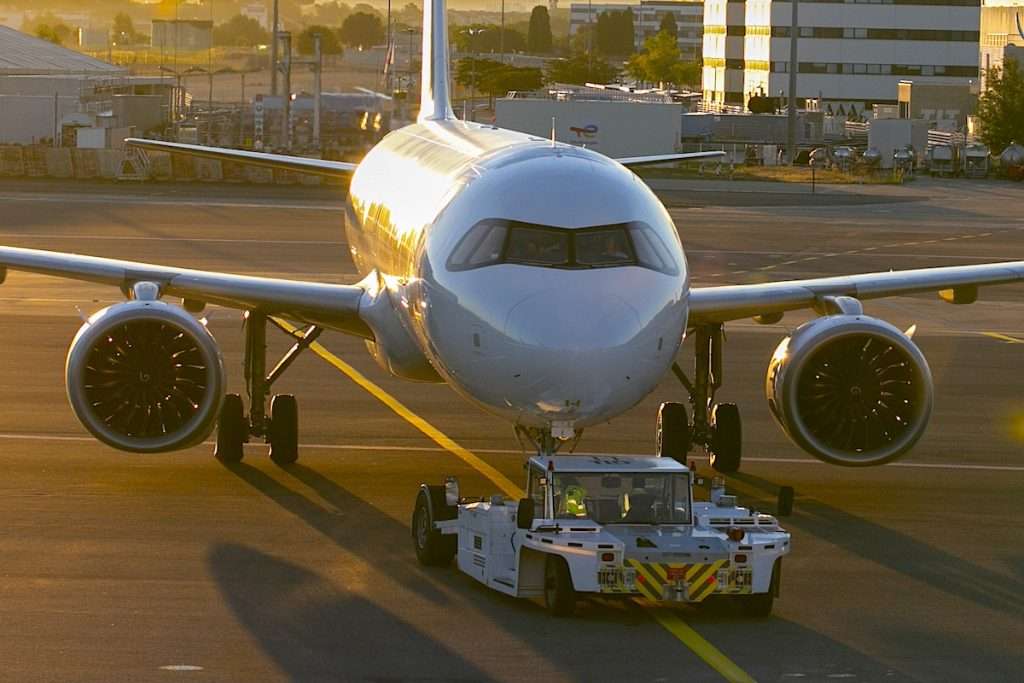
Furthermore, the A320neoi family, despite the XLR’s freshness, isn’t getting any younger. The evolution of the design comes as the jet reaches a maturity stage for some airlines, allowing early feedback and data from the new XLR to be fed back into the core design process.
With more than 20,000 A320 family orders and already thousands of A320neo family jets in service, the manufacturer is applying these lessons to both older and future models to ensure it remains agile as it enters the next decade.
Sustainability also remains important, as Airbus continues to push the boundaries of efficiency on its aircraft; there’s only so much it can do with an already certified and operational platform. Minor enhancements, such as these, may not be noticeable for the vast majority, even from a cabin standpoint, but operators and internally they will be, that’s the point.
While the A321XLR has often been described as a game-changer for airlines, beyond being a new long-range variant, its debut has served as a key learning experience for the planemaker and enabled further evolution of the A320neo family with STEP4.

ABOUT THE AUTHOR
Daniel Fowkes is a Melbourne-based aviation analyst and journalist with over a decade of industry experience. As founder of Dj’s Aviation, he delivers trusted analysis on aircraft, airline strategy and global aviation trends for djsaviation.net
Leave a Reply
Related Articles




Stay Informed
Get the latest aviation news, analysis and route updates delivered to your inbox.
We respect your privacy. Unsubscribe at any time.
Enjoyed this story?
Make us your go-to for aviation news
Add us as a preferred source on Google and see our latest stories first in Top Stories.
Add Us On Your News Feed
A thoughtful overview of the A320neo updates and the focus on efficiency and passenger comfort. The A321XLR context was especially helpful.