
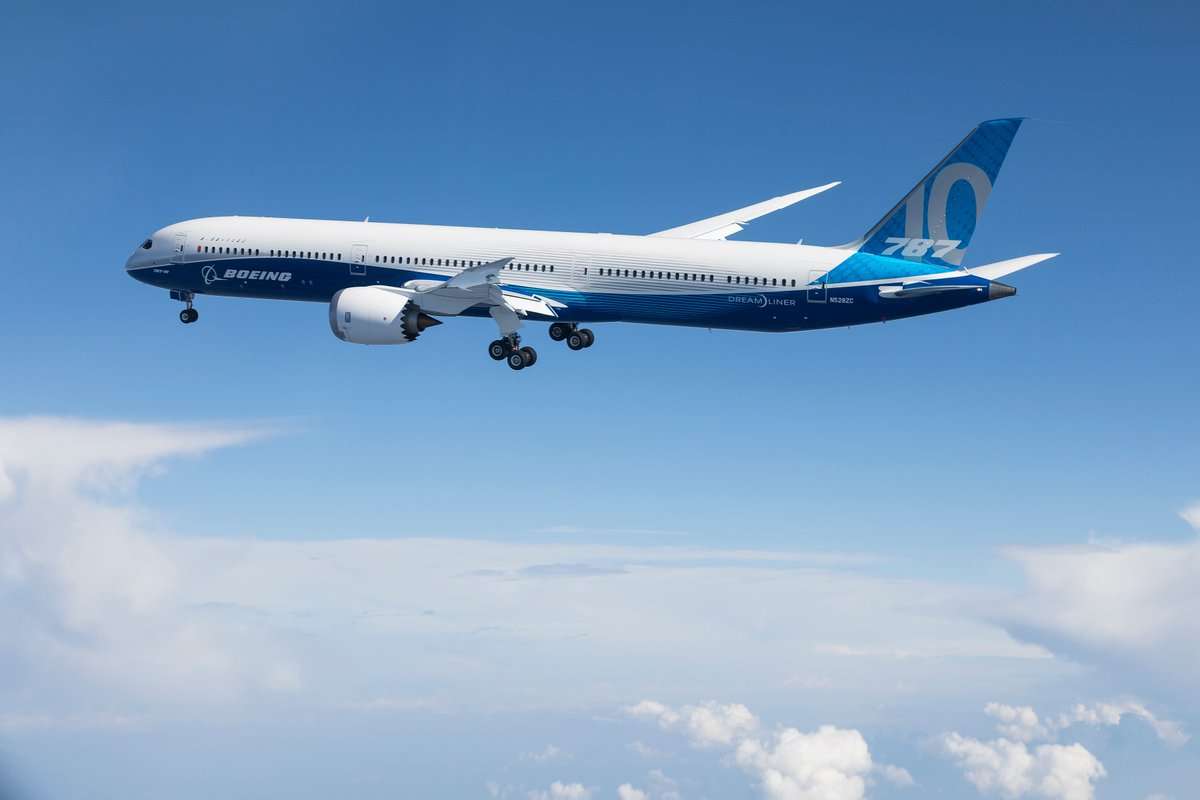
Thai Airways is set to push back the arrival of brand-new Boeing 787 Dreamliners by several months as it exercises further caution in its rebuilding phase.
The Thailand-based carrier has confirmed that the deal remains intact and that it fully intends to welcome the jets as part of a long-term strategy, but deliveries cannot proceed just yet.
The latest pushback will delay planned deliveries from 2027 to 2028, giving the business more time to shore up its finances, stabilize funding structures, and ensure deliveries will not be detrimental to ongoing recovery efforts.
A Boeing 787 For The Future
Thai Airways’ Dreamliner deal with Boeing is one of their largest fleet bets, with a deal to firm up 45 of the 787 Dreamliners that could lift the total closer to 80 if options are exercised in the coming years, depending on demand.
Initially, deliveries were expected within 12 months, across a near-decade window; however, that has been shifted to see the first delivery in 2028, as the jets will double the widebody fleet and create a backbone of flying operations deep into the coming decades.
These 787s addressed the airline’s pressing need to modernise the network, with older A330s and 777s seeing their leases expire and the need to move on from these less-efficient previous-generation jets.
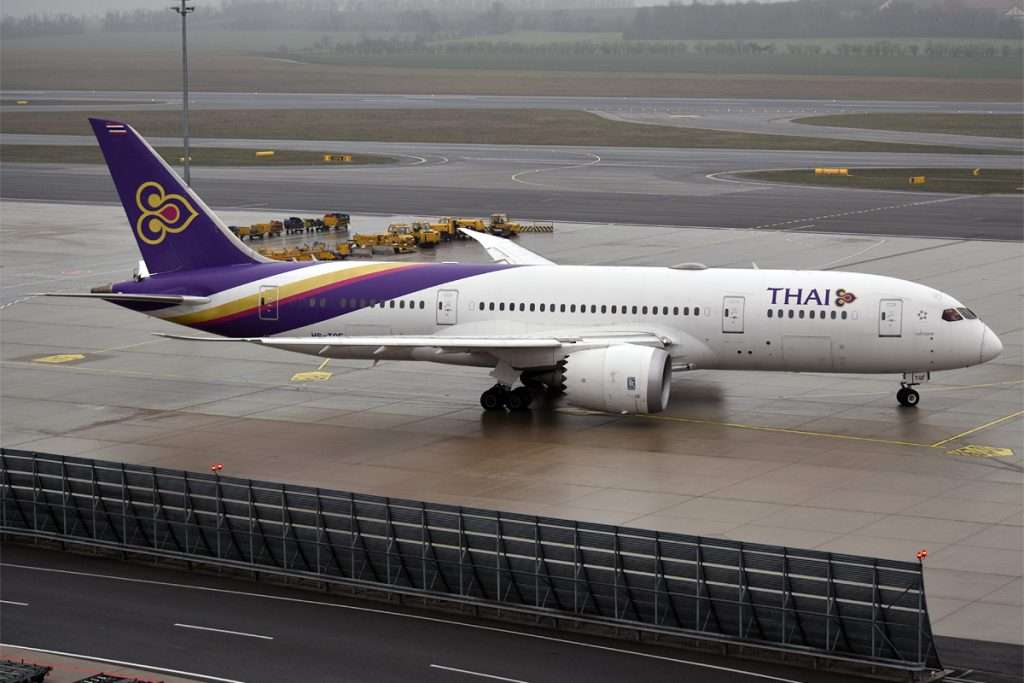
Thai Airways already flies the Boeing 787; as a result, committing to additional units helps keep integration simple, without the significant work required to bring in a brand-new model for the first time. Simplification is key for an airline that is not only aiming to become more efficient and cut maintenance costs, but also to reduce the pilot and crew training required.
These Boeing 787s Are Vital For Thai Airways
These Boeing 787 Dreamliners that have been ordered are significant not just because of the contract’s value, but because for Thai Airways, they’re the primary pillar to building a network that’s competitive, efficient and agile.
Thai Airways has made several acquisitions over the last decade, and having more 787s to its name will not only enable better network connectivity but also ensure routes can be restored, whether to Europe or even North Asia. The reorganization was made ten times easier thanks to better economics than those of the legacy widebodies the flag-carrier flew.
Furthermore, the strengthening of the fleet type count is integral to building a sustainable future. Thai Airways has had a fleet mix that, while fascinating to see, was far from practical. Many quad-engined widebodies have already departed, but existing jets like the A330 and 777 remain, a previous era that is now fading.
With Thai Airways wanting to position itself more as a premium airline, it wants to field a fleet that has fuel efficiency at its core, and a lower-emission 787 with refreshed cabins is the precise way to make that happen, and on a strong scale.
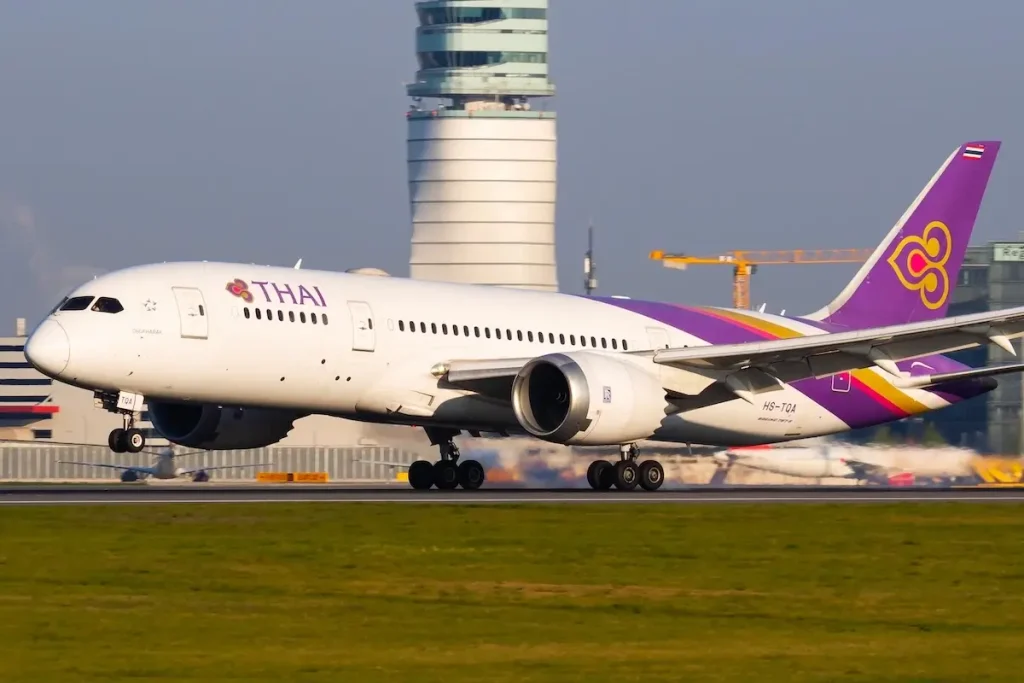
Neighbouring airlines such as Singapore Airlines, Vietnam Airlines, and even Philippine Airlines have advanced their fleet renewal efforts over the years, with Thai Airways somewhat falling behind. The delivery of the 787s from 2028 as part of a new batch will build the long-awaited widebody fleet, but patience is needed.
A History Of 787 Delays
The delivery timeline for this latest batch of Boeing 787s has shifted multiple times. Initial guidance said deliveries would start sooner than the 2028 outline provided as of this week.
While Boeing has struggled to meet contracted delivery windows due to its supply chain woes and its inability to scale output as quickly as hoped, airlines sometimes play a role as well.
In the Thai Airways case, the recovery path has heavily influenced the schedule. It has emerged from the pandemic as a smaller airline with noticeable holes in its business that the 787 will partly help cover. With that, caution has emerged regarding the rapid expansion in the absence of clear evidence of sustained demand.
Bringing on contracted aircraft sooner than feasible, despite previously outlined timeframes, carries significant risks that a still-rebuilding airline cannot take. Pushing back the delivery of these aircraft gives both parties, especially the airline, more breathing room.

ABOUT THE AUTHOR
Daniel Fowkes is a Melbourne-based aviation analyst and journalist with over a decade of industry experience. As founder of Dj’s Aviation, he delivers trusted analysis on aircraft, airline strategy and global aviation trends for djsaviation.net
Related Articles




Stay Informed
Get the latest aviation news, analysis and route updates delivered to your inbox.
We respect your privacy. Unsubscribe at any time.
Enjoyed this story?
Make us your go-to for aviation news
Add us as a preferred source on Google and see our latest stories first in Top Stories.
Add Us On Your News Feed