
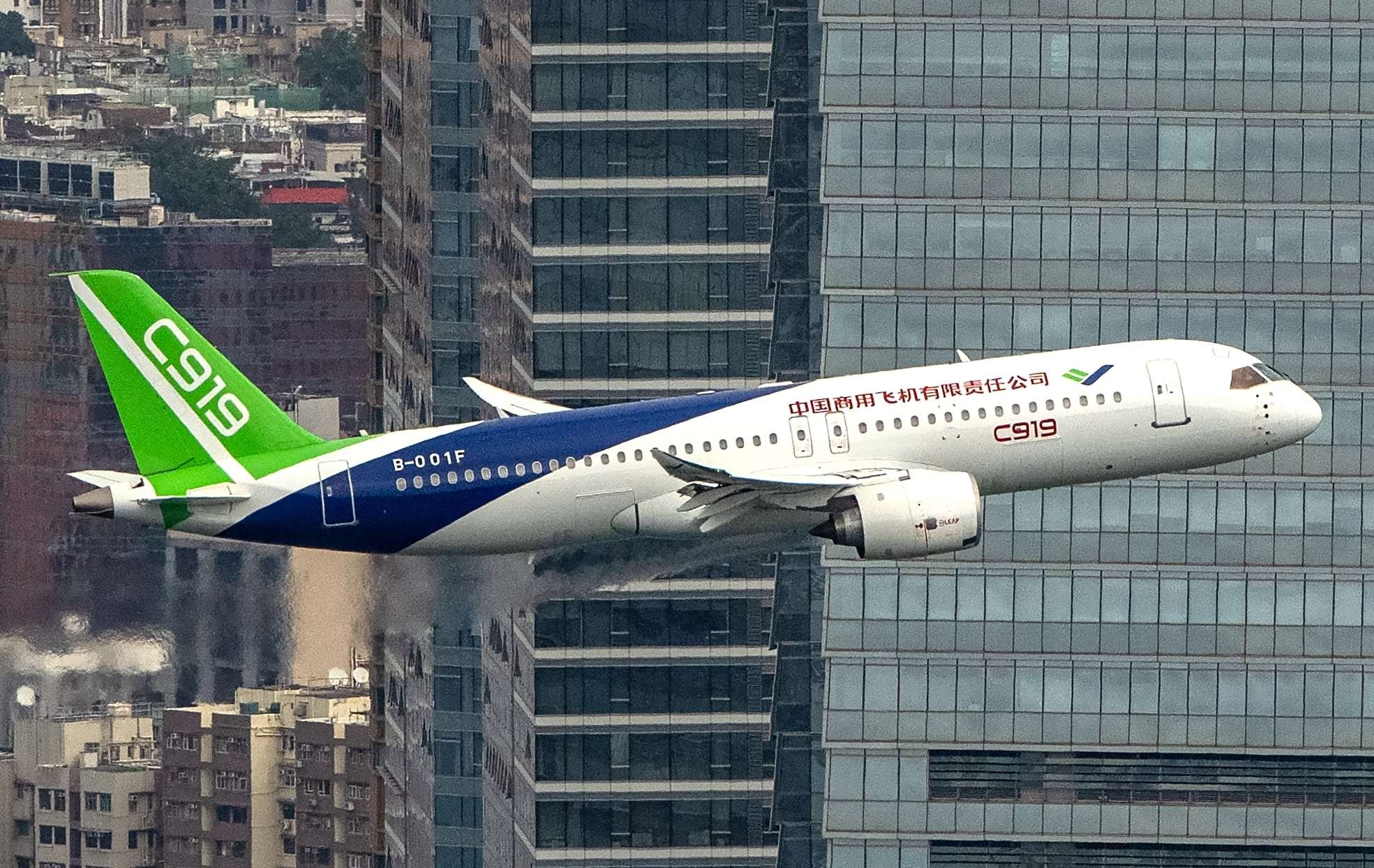
Malaysia Airlines has turned down the C919 from COMAC despite proposals from the emerging planemaker arguing that the risks outweigh the benefits, and the cycle for this order has been missed.
The rejection, for now, by the Malaysian carrier is yet another hurdle to COMAC’s attempts to push its flagship product, aimed at rivaling the A320 and 737, outside of China.
While Malaysia Airlines says that the C919 will no doubt score the Western approval it desires, for now, any decision to purchase the C919 won’t come until the mid-2030s at the earliest.
Conventionally, this timing also aligns with the planned entry into service of Airbus and Boeing’s next new airplanes aimed at slotting into the single-aisle market and smashing any improvements the C919 holds over the two current options on the market.
Malaysia Airlines Speaks On The COMAC C919
The chief executive officer of the airline business at Malaysia Aviation Group, Bryan Foong, told the South China Morning Post that while the C919 remains on the radar, Western certification is still needed.
Before the airline would even consider operating the jet, the certification in the West would be required, something the Chinese planemaker knows and is trying to secure with work underway with the EASA to get the relevant accreditation within Europe to then pitch the aircraft.
Malaysia Airlines, while considering the C919, needs an aircraft that can be approved by regulators worldwide and in its home country, which means validation from agencies such as EASA and the FAA.
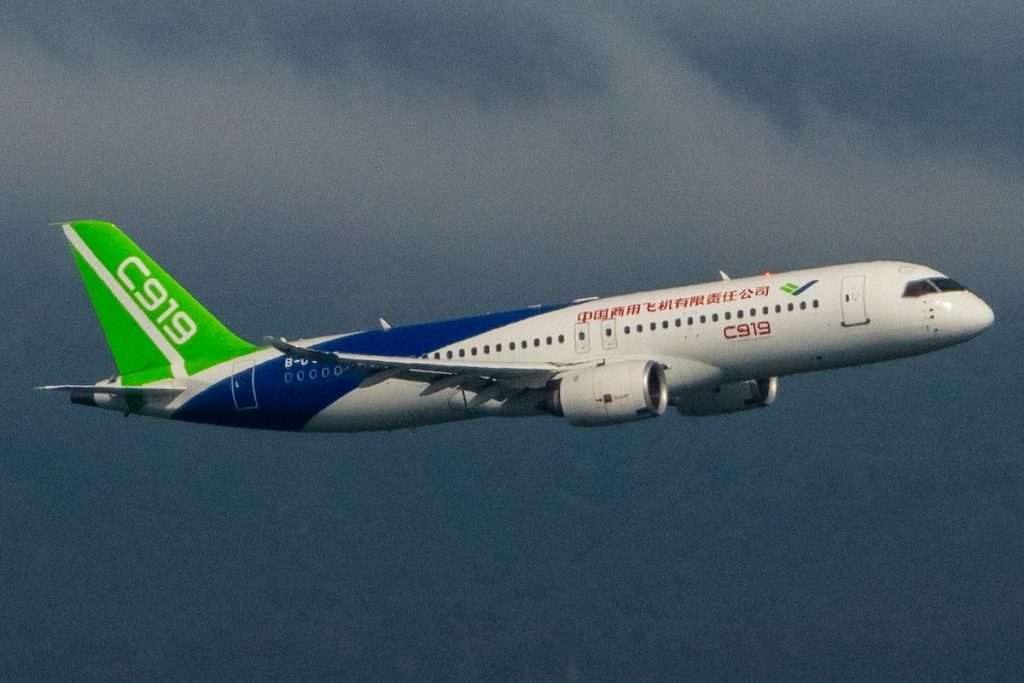
Foong simply said the timing didn’t align with its narrowbody renewal evaluations, which had begun years ago. The C919 was not ready at this point, and even with work ongoing now to make a splash in Western markets, it has seemingly missed the window.
As a result, the Malaysian carrier is to commit to other narrowbody jets and isn’t expecting to place a new single order until the midpoint of the next decade, when COMAC may be better primed to offer something worthwhile and certified after another 10 years in the industry.
Malaysia Airlines’ Interest Documented
Malaysia Aviation Group has been in dialogue with COMAC for several years, making it one of the few airlines outside China to publicly acknowledge the offerings put forward by the Chinese planemaker as a possible option for its future travellers.
While often described as a credible fleet option thanks to its strong competitiveness on paper, which includes the price and delivery timelines in comparison to Airbus and Boeing alternatives, there have also been many drawbacks preventing the interest from materializing.
Malaysia’s transport minister has repeatedly emphasized that while securing cheaper capacity growth and diversifying suppliers are important, they cannot come at the expense of safety, reliability, relationships, and proven equipment that has flown for decades.
While some locations neighbouring Malaysia have been more adventurous about bringing COMAC into their fleets, Malaysia is approaching the possibility with caution and wants these planes to be more mature and, with that, to have cleared the Western regulatory hurdles that are still present.

For Malaysia Airlines, many areas raised red flags, preventing a commitment to the COMAC. While that may change in the next decade when the planemaker, as the business says, has developed, flight planning cycles are conducted much earlier than even when an order is placed.
The C919 was, unfortunately, in the development and early commercial service stages when the airline was making its decisions. COMAC wasn’t able to credibly pitch a fully certified product, and that remains the case today, even if the price point and delivery terms present opportunities.
Supporting COMAC for Malaysia Airlines would also be hard, given the need for the planemaker to mature. It’s not just certification; the mere handful of aircraft delivered and the struggles of production at scale are a concern. That continues with the supply chains, the spare parts market, and the lack of evidence of efforts to scale output to possibly meet orders from the West.
Airbus takes COMAC seriously, flagging that all companies start somewhere, just like it did and with doubters. However, in COMAC’s case and from the standpoint of rebuilding Malaysia Airlines, introducing a politically sensitive uncertified aircraft would be a step too far now.

ABOUT THE AUTHOR
Daniel Fowkes is a Melbourne-based aviation analyst and journalist with over a decade of industry experience. As founder of Dj’s Aviation, he delivers trusted analysis on aircraft, airline strategy and global aviation trends for djsaviation.net
Related Articles




Stay Informed
Get the latest aviation news, analysis and route updates delivered to your inbox.
We respect your privacy. Unsubscribe at any time.
Enjoyed this story?
Make us your go-to for aviation news
Add us as a preferred source on Google and see our latest stories first in Top Stories.
Add Us On Your News FeedRelated articles
· Airlines
Allegiant Air Buys Six More 737-8s From Boeing
Daniel Fowkes
26/10/2026
· Airlines
Emirates vs Qatar Airways: The Gulf Superhub Rivalry Compared
Bryan Shelmon
26/10/2026
· Airlines
Riyadh Air Is Moving Away From Riyadh
Daniel Fowkes
26/10/2026
· Airlines
Emirates Isn’t Worried At All
Daniel Fowkes
25/10/2026