
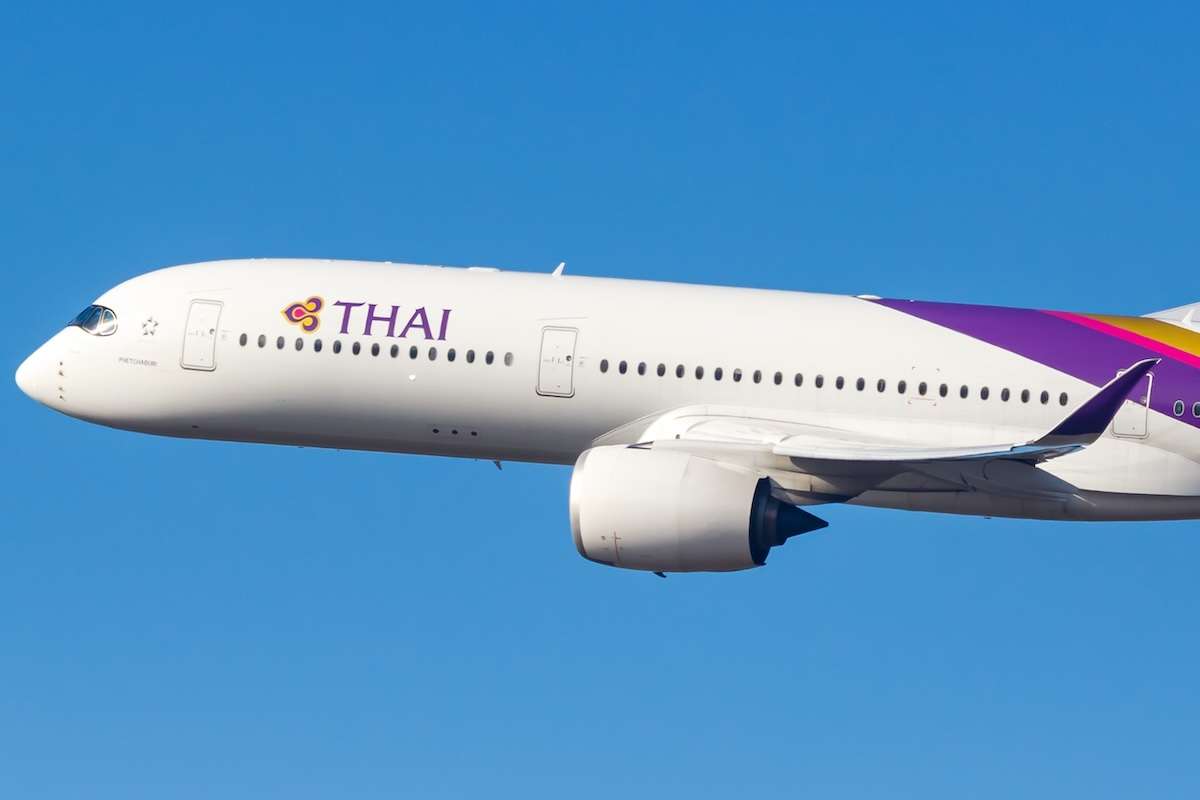
Two Airbus A350s operated by Thai Airways will retire from the airline’s operations by the end of the year, part of a larger group of jets set to exit the fleet.
Rather than a sign that the airline no longer has confidence in the Airbus A350, these two units will follow the other four jets the airline has outlined for departure this year.
Two Boeing 787-8s, two 777-200ERs, and those two Airbus A350s will comprise the six aircraft to be decommissioned as the airline continues to balance growth with the financial discipline needed for sustainability.
The Airbus A350-900 At Thai Airways
The A350 has been at the heart of Thai Airways’ commitment to lowering costs and offering next-generation widebody jets in long-haul markets. The Airbus jet is one of the more modern and efficient widebodies on the market and is used across the core route network.
With the lie-flat Royal Silk Class and a revised economy, the A350-900 as a jet isn’t going anywhere anytime soon, with the long-term fleet plan specifically keeping this as a core type. However, how the jets will be operated is expected to change.
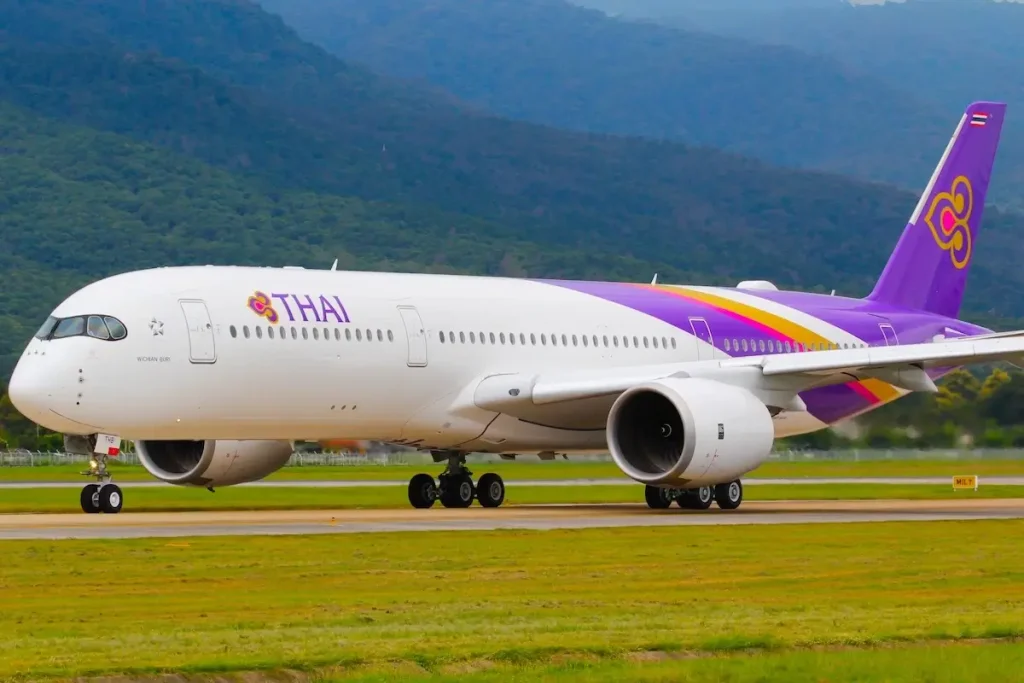
As the airline manages discipline amid growth and awaits the delivery of a highly anticipated order for Boeing 787 Dreamliners that’ll not just renew but also increase the fleet, there’s a focus on shifting the number of A350s in service.
Recently, Thai expanded its A350 fleet; this is an efficient, more cost-effective way to add capacity. However, because leases can be signed for the short term rather than the long term, they will eventually expire, allowing the airline and lessor to renegotiate terms or part ways.
Farewell To These A350s
In the case of the two Airbus A350s being axed, this comes as their contracts expire this year, and the carrier has rejected the decision to retain the jets beyond the current term. It’s therefore a deliberate move by the airline as it continues to recover from the financial struggles it has faced.
With an active fleet aiming to reach around 100 jets while it stabilises, new aircraft are in the pipeline and expected later this decade. At the moment, letting leases expire on schedule rather than early is a cleaner way to manage capital and capacity without incurring additional debt or penalties.
The A350 removal also comes alongside the termination of some older Boeing jets, including the 787-8 and 777-200ER, as the business moves towards a streamlined fleet.
The 787 and A350 families will remain for decades to come, and the business is weighing options for a new flagship type to replace the departed A380, 747, and A340, with the 777X touted. This order is a long way off, but it indicates the direction the airline wants to take in the long term as it continues to recover.

ABOUT THE AUTHOR
Daniel Fowkes is a Melbourne-based aviation analyst and journalist with over a decade of industry experience. As founder of Dj’s Aviation, he delivers trusted analysis on aircraft, airline strategy and global aviation trends for djsaviation.net
Related Articles




Stay Informed
Get the latest aviation news, analysis and route updates delivered to your inbox.
We respect your privacy. Unsubscribe at any time.
Enjoyed this story?
Make us your go-to for aviation news
Add us as a preferred source on Google and see our latest stories first in Top Stories.
Add Us On Your News Feed