
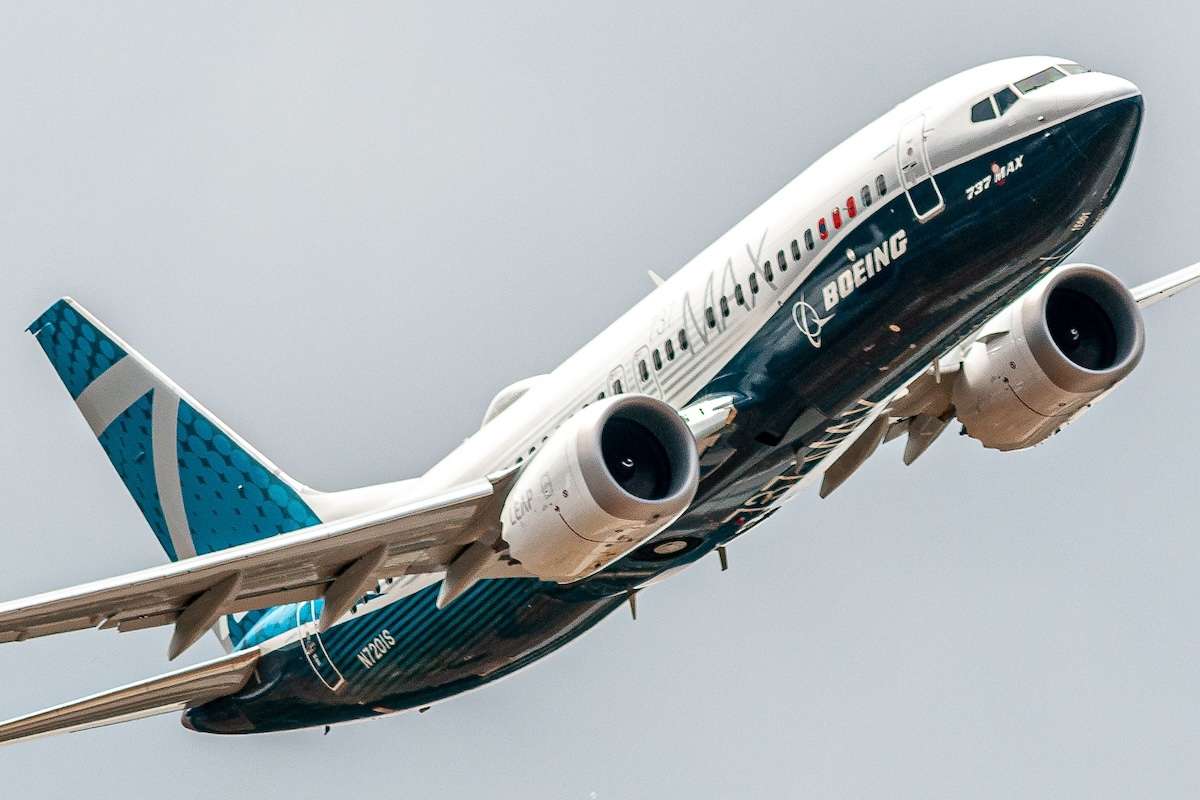
Boeing’s smallest 737 MAX variant is on the brink of approval, according to The Wall Street Journal, after years of delays and frustration.
According to sources, the 737-7 is expected to receive its long-awaited FAA type certificate as soon as this month, a key milestone for the single-aisle program on its path to full adoption.
The certification will pave the way for the first delivery to customers like Southwest, who have been incredibly patient for years, and then an entry into service after a familiarization period.
A Certification Long Overdue
When Boeing launched the 737 MAX family, it intended the 737-7 to enter service relatively quickly after the 737-8, knowing that other airlines needed a replacement for their older 737-700s and that major airlines were queuing up.
The 737-8 was staggeringly certified in 2017, and now, nearly 10 years later, the 737-7 is only just receiving its type certification. It has not been smooth from start to finish, and that can be felt for the broader program’s current journey within the industry.
Even when the basic 737-8 was finally cleared to return to service after a grounding following two fatal accidents in 2018 and 2019, the 737-7’s progress was painfully slow, with timelines for approval repeatedly proposed and then missed.
A combination of heightened regulatory scrutiny stemming from Boeing’s own woes, which led to fatal accidents and specific technical problems, meant that any targeted date was not feasible for the planemaker to meet, with the jet’s fate dictated by the FAA.
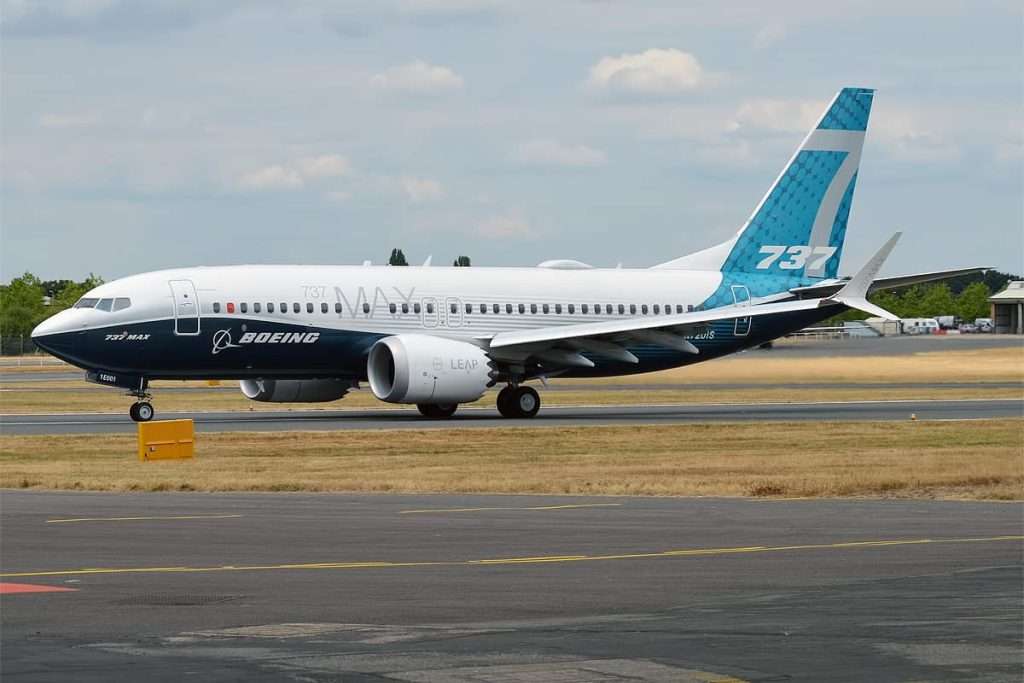
However, over the last 12 months, critical work has been conducted to reach the final phases of certification. Under the leadership of new CEO Kelly Ortberg, the 737-7 has continued to inch closer, relatively unscathed.
The FAA, which has been front and centre to this process, has criticised the MAX quite heavily, and the regulator has been critiqued in its own right with a much-needed response to how planes are approved after its leniency gave Boeing too much control over the approval of its own jets, leading to quality slips.
Why The Long Delays To The 737-7?
The delays to the 737-7 have been quite clear, albeit challenging to move through. Technical issues, notably with the MAX’s engine anti-ice systems, prompted regulators to require configuration and design changes.
In flaggings during review, the Federal Aviation Administration warned that, under the system’s current configuration, it could, in rare cases, cause overheating and damage near the engine inlet, which would raise the overall risk of parts breaking off and, in turn, striking the aircraft.
While Boeing initially moved forward with an exemption, an argument centred on the failure being extremely unlikely, it later withdrew this request as pressure mounted on its culture, its genuine care for safety, and its commitment not to cut corners to get planes to market.
Boeing, as a consequence, had little to no choice but to redesign the system for not only the 737-7 but also the largest 737-10, which, like the 737-7, lacks certification. With this redesign, even more time was added to the certification expectations for these jets, given that the area was very delicate and the fixes were not straightforward.
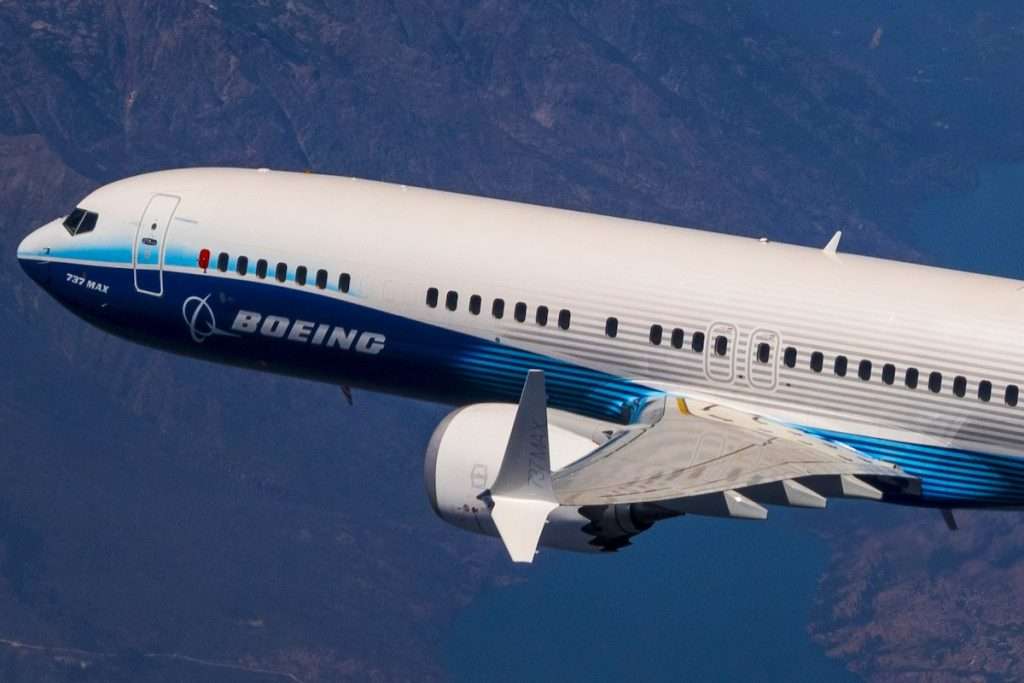
It’s not uncommon for system changes or fixes to be implemented in new jets during their approval processes; however, this all came during a period when the FAA’s oversight of Boeing had been scaled tenfold after the MAX crisis of the late-2010s and into the 2020s.
That meant as a result, every change made by Boeing, every redesign was reviewed with a fine comb and only added time to the review process, independent audits and more. All this to ensure no issues could creep up on the smallest member of the family.
With certification now expected this month, barring further snags, this is a positive step for the planemaker and follows months of more positive reporting on the jet. All this much to the pleasure of the regulator, who has to devote their resources to this, Boeing and its customers.

ABOUT THE AUTHOR
Daniel Fowkes is a Melbourne-based aviation analyst and journalist with over a decade of industry experience. As founder of Dj’s Aviation, he delivers trusted analysis on aircraft, airline strategy and global aviation trends for djsaviation.net
Related Articles




Stay Informed
Get the latest aviation news, analysis and route updates delivered to your inbox.
We respect your privacy. Unsubscribe at any time.
Enjoyed this story?
Make us your go-to for aviation news
Add us as a preferred source on Google and see our latest stories first in Top Stories.
Add Us On Your News Feed